
Anúncios
Music has the unique power to transform our mood, transport us to different places, and connect us with emotions we didn’t even know existed. Listening to music is more than entertainment—it’s therapy, passion, and pure life.


Whether you’re commuting to work, working out at the gym, or simply relaxing at home, music becomes the soundtrack of our daily lives. The accessibility of streaming platforms and mobile apps has revolutionized how we consume music, making millions of songs available at our fingertips.
Anúncios
From classical symphonies to contemporary pop hits, the diversity of musical genres ensures there’s something for everyone. Understanding how to maximize your music listening experience can enhance your emotional well-being, productivity, and overall quality of life.
🎵 The Science Behind Why We Love Listening to Music
Neuroscience reveals fascinating insights into what happens in our brains when we listen to music. The auditory cortex processes sound, while the limbic system—responsible for emotions—lights up with activity. This explains why certain songs can make us cry, smile, or feel energized within seconds.
Anúncios
Dopamine, the “feel-good” neurotransmitter, is released when we listen to music we enjoy. This chemical reaction is similar to what happens when we eat delicious food or experience something pleasurable. Music literally rewires our brain for happiness.
Research from McGill University demonstrated that music can trigger the same neurological responses as food, sex, and drugs. This isn’t just entertainment—it’s a biological necessity for many people who use music to regulate their emotional states throughout the day.
📱 Best Apps and Platforms for Listening to Music
The digital revolution has transformed how we access and enjoy music. Gone are the days of carrying bulky CD players or being limited to radio stations. Today’s streaming platforms offer personalized experiences that adapt to your preferences and mood.
Spotify leads the market with over 500 million users worldwide. Its algorithm-driven playlists like Discover Weekly and Release Radar introduce listeners to new artists based on their listening history. The free tier offers ad-supported streaming, while premium removes interruptions and enables offline downloads.
Apple Music integrates seamlessly with iOS devices and boasts a catalog of over 100 million songs. Its spatial audio feature with Dolby Atmos creates an immersive listening experience that makes you feel like you’re inside the music studio.
YouTube Music combines official songs, albums, and user-generated content, offering unparalleled variety. Its video integration allows you to switch between audio and visual experiences, perfect for those who enjoy music videos and live performances.
Amazon Music and Tidal cater to audiophiles with high-fidelity streaming options. Tidal’s HiFi tier delivers lossless audio quality that preserves every nuance of the original recording, making it ideal for those with premium headphones or sound systems.
🎧 Choosing the Right Equipment for Optimal Sound Quality
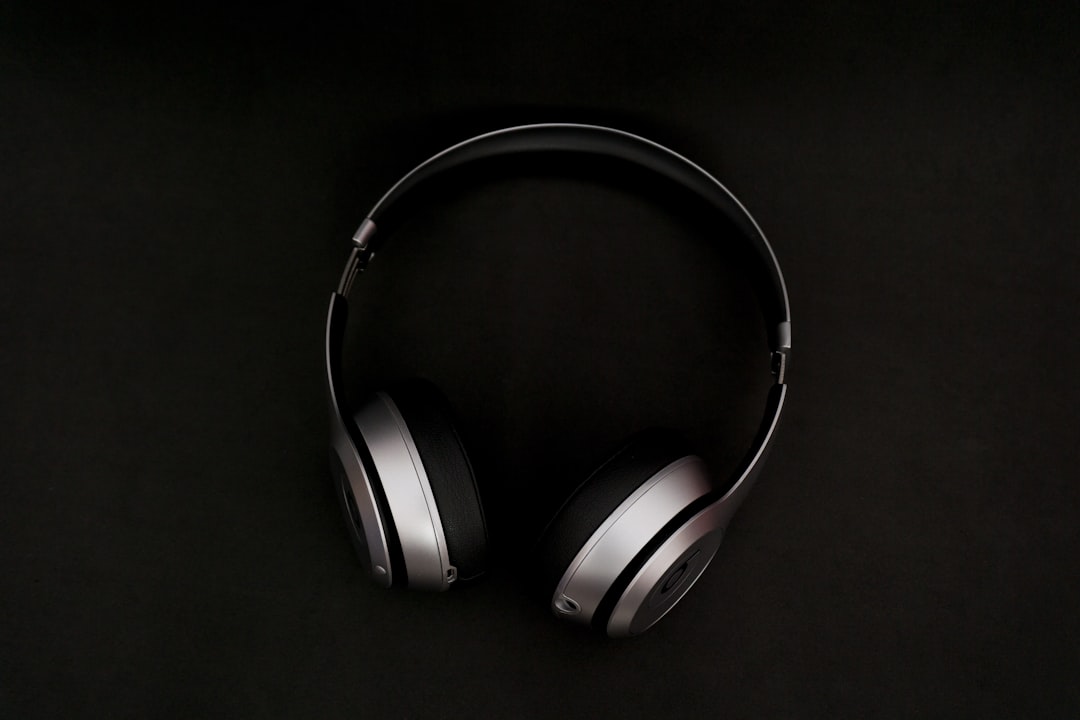
Your listening experience depends significantly on the quality of your audio equipment. While smartphone speakers are convenient, investing in proper headphones or speakers can reveal layers of music you’ve never noticed before.
Over-ear headphones provide superior sound isolation and bass response. Brands like Sony, Bose, and Sennheiser offer models with active noise cancellation, perfect for blocking out distractions during commutes or in noisy environments.
In-ear monitors (IEMs) deliver professional-grade audio in a compact form factor. Musicians and audio engineers prefer IEMs for their accuracy and portability, making them excellent for critical listening on the go.
True wireless earbuds have exploded in popularity thanks to their convenience and improving sound quality. Apple AirPods Pro, Samsung Galaxy Buds, and Sony WF-1000XM5 offer impressive performance without the hassle of cables.
For home listening, bookshelf speakers or soundbars can transform your living space into a concert hall. Pairing quality speakers with a digital-to-analog converter (DAC) and amplifier creates a setup that does justice to high-resolution audio files.
🌍 Exploring Music Genres from Around the World
One of the greatest joys of listening to music today is the ability to explore sounds from every corner of the planet. Streaming platforms have demolished geographical barriers, exposing us to cultural treasures we might never have discovered otherwise.
Latin music has dominated global charts in recent years. Reggaeton, bachata, and Brazilian funk have transcended language barriers, with artists like Bad Bunny and Anitta becoming international superstars. The rhythmic energy of these genres makes them irresistible for dancing and celebration.
K-pop represents South Korea’s cultural export phenomenon. Groups like BTS and BLACKPINK combine meticulously choreographed performances with catchy melodies and high production values, creating a multimedia experience that extends beyond just audio.
Afrobeats from Nigeria and Ghana blends traditional African rhythms with contemporary production. Artists like Burna Boy and Wizkid have brought this infectious genre to mainstream audiences, proving that great music needs no translation.
Classical music continues to attract new listeners through modern platforms. Apps like Primephonic (now integrated into Apple Music Classical) make it easier to navigate the vast world of orchestral works, operas, and chamber music.
💪 Music as a Performance Enhancer
Athletes and fitness enthusiasts have long recognized music’s power to boost performance. Studies show that listening to music during exercise can increase endurance by up to 15% and reduce perceived exertion.
The tempo of music influences our physical movement. Songs with 120-140 beats per minute align perfectly with running cadence, helping maintain consistent pace and reducing mental fatigue during long workouts.
Motivational lyrics and aggressive beats trigger adrenaline release, preparing the body for intense physical activity. This is why gym playlists often feature high-energy genres like electronic dance music, hip-hop, and rock.
Timing your music selection to different workout phases optimizes results. Start with moderate tempo for warm-up, increase intensity during peak effort, and wind down with slower songs during cool-down and stretching.
🧠 Music for Focus, Productivity, and Mental Health
The workplace has increasingly recognized music’s role in enhancing concentration and productivity. However, not all music serves this purpose equally—understanding which types support focus is crucial.
Instrumental music without lyrics typically works best for cognitive tasks. Classical compositions, lo-fi hip-hop, and ambient electronic music provide auditory stimulation without the distraction of words competing for linguistic processing resources.
Binaural beats claim to influence brainwave patterns through specific frequency combinations played in each ear. While scientific evidence remains mixed, many users report improved concentration and relaxation when using these specialized audio tracks.
Music therapy has become a recognized treatment for depression, anxiety, and PTSD. Licensed therapists use carefully selected music to help patients process emotions, reduce stress, and develop coping mechanisms.
Sleep quality improves with appropriate musical choices. Slow-tempo compositions (60-80 BPM) with minimal dynamic variation help calm the nervous system, making it easier to fall asleep and achieve deeper rest cycles.
🎤 Discovering New Artists and Building Your Musical Identity
Your music taste reflects your personality, experiences, and values. Actively exploring new artists and genres expands your cultural horizons and keeps your listening experience fresh and exciting.
Algorithm-generated recommendations provide a starting point, but they can create echo chambers. Deliberately seeking music outside your comfort zone exposes you to innovative sounds and perspectives you wouldn’t encounter otherwise.
Music blogs, podcasts, and YouTube channels curated by passionate enthusiasts offer deeper dives into specific genres and scenes. These resources provide context and storytelling that enhance appreciation beyond just passive listening.
Attending live concerts and festivals creates irreplaceable memories and connections. The energy of experiencing music with thousands of other fans amplifies emotional impact in ways streaming can never replicate.
Creating and sharing playlists has become a modern form of communication. Curating songs for friends or occasions demonstrates thoughtfulness and creates soundtracks for shared experiences.
📊 Understanding Streaming Quality and Audio Formats
Not all music streaming sounds the same. Understanding audio quality specifications helps you make informed decisions about subscriptions and ensures you’re hearing music as artists intended.
Standard streaming quality typically ranges from 96 to 160 kbps (kilobits per second), acceptable for casual listening on modest equipment. This compressed format saves bandwidth and storage but sacrifices audio detail.
High-quality streaming operates at 320 kbps, noticeably improving clarity and dynamic range. Most premium streaming services offer this tier, which represents the best balance between quality and practicality for most listeners.
Lossless audio formats like FLAC and ALAC preserve the complete original recording without compression. Files are much larger, but audiophiles with quality equipment can discern subtle details lost in compressed formats.
Hi-Res audio exceeds CD quality, offering sample rates and bit depths that capture more information than the human ear can theoretically perceive. While debated among experts, enthusiasts claim superior spatial imaging and emotional impact.
🌟 Creating the Perfect Listening Environment
Your physical environment significantly affects how you experience music. Small adjustments to your space can dramatically improve sound quality and immersion without expensive equipment upgrades.
Room acoustics matter more than most people realize. Hard surfaces reflect sound waves, creating echoes and muddiness. Adding soft furnishings, curtains, and rugs absorbs excessive reflections, clarifying audio reproduction.
Speaker placement follows established principles. The “stereo triangle” positions your listening spot equidistant from two speakers angled toward you, creating an optimal soundstage where instruments and vocals occupy distinct spatial positions.
Eliminating background noise enhances the listening experience. Turning off fans, closing windows, and choosing quiet times allows you to hear subtle details and reduces the need to increase volume to harmful levels.
Lighting and ambiance complement musical mood. Dimming lights during contemplative music or using colored LEDs synced to beat patterns creates multi-sensory experiences that deepen emotional engagement.
🎼 The Social Dimension of Music Listening
Music has always been a communal activity, bringing people together across cultures and generations. Modern technology has created new ways to share and experience music collectively while maintaining personal choice.
Collaborative playlists on streaming platforms allow friends to contribute songs, creating musical conversations that reflect group dynamics. These shared collections become digital artifacts of relationships and moments in time.
Social features within music apps let you see what friends are listening to, sparking conversations and recommendations. This passive sharing creates unexpected connections over mutual musical interests.
Online communities and forums dedicated to specific genres or artists provide spaces for deep discussion, rare recording exchanges, and concert planning. These digital gatherings maintain the spirit of music fandom in the internet age.
Music education has democratized through YouTube tutorials, online courses, and interactive apps. Learning to play instruments or understand music theory deepens appreciation and transforms listeners into active participants in musical culture.
🔮 The Future of Music Listening
Technological innovation continues reshaping how we discover, experience, and interact with music. Emerging trends promise even more personalized and immersive listening experiences in the coming years.
Artificial intelligence now composes original music tailored to individual preferences and specific uses. While controversial, AI-generated tracks are becoming sophisticated enough to serve as functional background music for various activities.
Spatial audio and 3D sound reproduction create immersive environments where music surrounds the listener. Apple’s AirPods and other devices use head tracking to maintain consistent soundstage positioning as you move.
Virtual reality concerts allow fans to attend performances from anywhere in the world. Artists can create impossible venues and visual spectacles while maintaining intimate connections with audiences through interactive elements.
Blockchain technology and NFTs are introducing new artist compensation models and exclusive content distribution. While the landscape remains uncertain, these innovations could reshape the music industry’s economic structures.
💡 Practical Tips for Enhanced Music Enjoyment
Small habit changes and awareness can significantly improve your relationship with music. These actionable strategies help you get more satisfaction from every listening session.
Practice active listening occasionally. Instead of using music as background, dedicate 20-30 minutes to focused listening without distractions. Close your eyes, notice individual instruments, and appreciate production choices you normally miss.
Maintain healthy volume levels to protect your hearing. The 60/60 rule suggests listening at no more than 60% volume for no longer than 60 minutes at a time, giving your ears periodic rest.
Organize your music library with thoughtful playlists for different moods, activities, and times of day. This preparation ensures you always have appropriate music ready without decision fatigue.
Explore music from different eras. Diving into decades before your birth provides historical context and introduces you to foundational artists who influenced today’s sounds.
Support artists directly when possible. Purchasing albums, merchandise, or concert tickets ensures creators can continue making the music you love, as streaming royalties alone rarely provide sustainable income.

🎁 Music as a Universal Gift and Connection
In an increasingly divided world, music remains one of humanity’s most powerful unifying forces. It transcends language, politics, and borders, touching something fundamental in the human spirit that words alone cannot reach.
Whether you’re discovering a new favorite artist, revisiting childhood memories through nostalgic songs, or using music to process complex emotions, listening to music enriches life in countless ways. The technology available today makes this more accessible than ever before.
Your musical journey is uniquely yours. Embrace exploration, stay curious about unfamiliar sounds, and remember that there’s no “right” way to enjoy music. What matters is how it makes you feel and the moments it helps you create.
As you continue developing your relationship with music, consider it an ongoing conversation rather than a destination. Let your tastes evolve, revisit old favorites with fresh ears, and always remain open to the transformative power of a perfect song at the perfect moment. 🎶
