
Anúncios
Listening to old music is like opening a time capsule filled with memories, emotions, and stories that shaped generations before us.


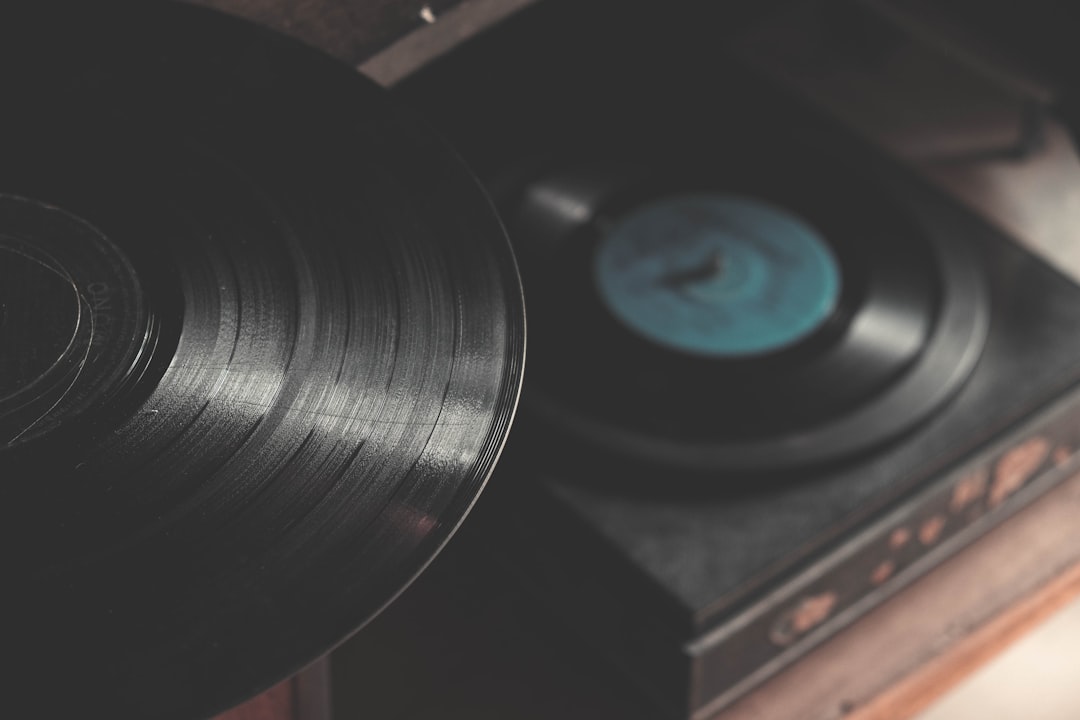
There’s something magical about pressing play on a track from decades past and feeling transported to another era. Whether it’s the crackle of vinyl, the nostalgic melodies, or the timeless lyrics, old music holds a unique power that modern tracks sometimes struggle to replicate.
Anúncios
In today’s fast-paced digital world, revisiting classic songs offers more than just entertainment—it provides comfort, perspective, and a deeper connection to our roots. Let’s explore why listening to vintage tunes remains a beloved pastime for millions worldwide. 🎶
Why Old Music Still Captivates Modern Listeners
The enduring appeal of classic music isn’t just about nostalgia. Scientific studies suggest that songs we heard during our formative years create stronger neural connections, making them more emotionally resonant throughout our lives.
Anúncios
But it’s not only older generations who appreciate vintage tracks. Younger listeners are increasingly discovering the artistry and authenticity found in music from the ’50s, ’60s, ’70s, and ’80s. Platforms like Spotify and YouTube have made these treasures accessible to everyone, regardless of age.
Old music often features richer instrumental arrangements, more thoughtful lyrics, and production techniques that prioritized musical skill over digital enhancement. This authenticity resonates with listeners tired of overly processed modern sounds.
The Emotional Connection Between Memory and Melody 🧠
Music has an extraordinary ability to trigger vivid memories. A single song can transport you back to your first dance, a road trip with friends, or a quiet moment with someone special.
This phenomenon occurs because our brain’s auditory cortex is closely linked to the hippocampus and amygdala—regions responsible for memory and emotion. When we hear a familiar old song, these areas light up, flooding us with feelings and recollections.
Many people create playlists of classic tracks specifically for therapeutic purposes. Whether dealing with stress, loneliness, or simply seeking comfort, old music provides a safe emotional anchor.
Songs That Define Generations
Every era has its defining anthems. The Beatles revolutionized the ’60s with their innovative songwriting. Elvis Presley brought rock and roll to mainstream America. Motown artists like Marvin Gaye and Aretha Franklin gave voice to social movements.
These songs didn’t just entertain—they reflected cultural shifts, political tensions, and collective hopes. Listening to them today offers valuable historical context and reminds us how music has always been intertwined with social change.
How Technology Has Revolutionized Access to Classic Music 📱
Gone are the days when hearing old songs required dusty record collections or searching through radio stations. Modern streaming services have democratized access to virtually every recording ever made.
Apps dedicated to classic music offer curated playlists organized by decade, genre, or mood. Whether you’re seeking smooth jazz from the ’40s, psychedelic rock from the ’70s, or new wave from the ’80s, everything is just a search away.
Digital remastering technology has also breathed new life into old recordings. Songs that once sounded muffled or distorted on original pressings now shine with crystal-clear audio quality, letting listeners appreciate details they might have missed decades ago.
Building Your Personal Vintage Music Library
Creating a collection of favorite old songs has never been easier. Start by exploring curated playlists on streaming platforms, then branch out based on recommendations and related artists.
Consider organizing your library by mood rather than chronology. A “Sunday Morning Classics” playlist might include mellow tracks from various decades, while “Upbeat Vintage Vibes” could feature energetic songs that get you moving.
Don’t limit yourself to one genre or language. Some of the world’s most beautiful music comes from international artists who may have never achieved mainstream success in English-speaking countries but created timeless masterpieces.
The Therapeutic Benefits of Listening to Old Music 💆
Music therapy is a recognized medical practice, and old songs play a crucial role in treating various conditions. Dementia patients often respond remarkably well to music from their youth, even when other memories have faded.
The familiar melodies and lyrics can temporarily restore clarity, reduce anxiety, and improve mood. This powerful effect has led many care facilities to incorporate regular music listening sessions into their treatment programs.
Beyond clinical settings, anyone can benefit from the calming effect of favorite old songs. They provide comfort during difficult times, help with focus during work, and create a soothing atmosphere for relaxation.
Creating Rituals Around Classic Music
Many people develop personal rituals involving vintage tracks. Some listen to Frank Sinatra while cooking Sunday dinner. Others start their mornings with classic soul music or wind down evenings with soft rock ballads.
These rituals create structure and bring joy to daily routines. They transform ordinary moments into special experiences and help maintain emotional balance in our hectic lives.
Discovering Hidden Gems from Music History 💎
While everyone knows The Beatles, Elvis, and Michael Jackson, countless lesser-known artists created incredible music that deserves attention. Part of the joy of exploring old music is stumbling upon forgotten treasures.
Deep cuts from famous albums often reveal an artist’s true range. B-sides and album tracks sometimes showcase more experimental or personal work than radio singles. These discoveries make you feel like a musical archaeologist unearthing precious artifacts.
Online communities and forums dedicated to vintage music are excellent resources for recommendations. Enthusiasts love sharing obscure tracks and discussing the stories behind them, creating a sense of connection among fans across generations.
The Art of Vinyl: Why Physical Formats Still Matter 🎵
Despite digital convenience, vinyl records have experienced a remarkable resurgence. Collectors and casual listeners alike appreciate the tangible connection that physical media provides.
There’s something ritualistic about selecting a record, carefully placing it on the turntable, and hearing that distinctive warm sound. The larger album artwork becomes a visual experience, and liner notes offer context that streaming platforms often omit.
Vinyl listening encourages mindfulness. Unlike background streaming, playing a record demands attention and presence. You experience albums as complete artistic statements rather than isolated tracks.
Building a Vinyl Collection on a Budget
Starting a record collection doesn’t require unlimited funds. Thrift stores, estate sales, and online marketplaces often have affordable options. Focus on artists you genuinely enjoy rather than chasing rare collectibles.
Condition matters more than quantity. A well-preserved common record will sound better and last longer than a damaged rarity. Learn to inspect records properly before purchasing.
How Old Music Influences Contemporary Artists 🎸
Modern musicians frequently cite classic artists as major influences. Bruno Mars channels ’80s funk, Adele draws from ’60s soul, and countless indie bands pay homage to various vintage sounds.
This cross-generational dialogue keeps old music relevant. When younger listeners discover that their favorite contemporary song samples or references a classic track, they often explore the original, creating new appreciation.
Some artists go beyond influence to create deliberate throwback sounds. Retro production techniques, analog instruments, and vintage recording methods are increasingly popular among musicians seeking authenticity.
Sharing Old Music Across Generations 👨👩👧👦
One of life’s simple pleasures is introducing younger family members to music from your era. Playing old favorites for children or grandchildren creates bonding opportunities and passes down cultural heritage.
These moments become cherished memories. A grandparent teaching their grandchild to dance to Motown, a parent explaining the historical context of protest songs, or siblings discovering their parents’ old CDs together—all strengthen family connections.
Don’t be surprised when younger listeners develop genuine appreciation for vintage music. Without preconceptions about what’s “cool” or “outdated,” they often recognize quality regardless of recording date.
Creating Multi-Generational Playlists
Try building playlists that span decades, mixing classic tracks with modern interpretations. This approach shows musical evolution while highlighting timeless themes that resonate across eras.
Family road trips become more enjoyable when everyone contributes favorites from different periods. These shared listening experiences create common ground and spark interesting conversations.
The Cultural and Historical Value of Vintage Recordings 📚
Old music serves as an audio documentary of human experience. Lyrics reflect the concerns, dreams, and language of their time. Instrumental styles showcase technological limitations and creative solutions.
Listening to music chronologically through history reveals fascinating patterns. You can hear how jazz influenced rock, how folk music shaped protest movements, and how global sounds gradually merged into world music genres.
Preserving these recordings matters culturally. Organizations worldwide work to digitize and restore old recordings before deterioration makes them unplayable. Supporting these efforts ensures future generations can access musical heritage.
Tips for Enhancing Your Vintage Music Listening Experience 🎧
Quality audio equipment makes a significant difference when enjoying old recordings. Decent headphones or speakers reveal subtleties that cheap devices miss, particularly in carefully produced classic albums.
Consider the listening environment. Dimmed lights, comfortable seating, and minimal distractions help you fully appreciate the music. Treat listening sessions as intentional experiences rather than background noise.
Read about the artists and albums you enjoy. Understanding the context—what was happening in their lives, what challenges they faced, what inspired specific songs—deepens appreciation and emotional connection.
Exploring Different Formats and Remasters
Many classic albums exist in multiple versions. Original pressings, remastered editions, anniversary releases, and different regional versions can sound surprisingly different. Exploring these variations becomes a hobby in itself.
Remastered versions often offer improved clarity but sometimes alter the original artistic intent. Purists debate these changes endlessly, but ultimately, personal preference determines what sounds best to you.
Finding Community Among Fellow Classic Music Lovers 🤝
Online forums, social media groups, and local clubs connect enthusiasts who share your passion. These communities offer recommendations, answer questions, and provide spaces to discuss favorite artists and discoveries.
Attending tribute concerts, vintage music festivals, and record fairs creates opportunities to meet like-minded people in person. These gatherings celebrate shared appreciation while introducing you to new perspectives.
Don’t underestimate the value of these connections. Discussing music with passionate fans enriches your understanding and keeps the excitement alive, preventing your hobby from becoming solitary.
The Timeless Appeal of Classic Love Songs 💕
Romance remains music’s most popular theme, and old love songs possess an earnestness that modern tracks sometimes lack. Without auto-tune or studio tricks, classic vocalists conveyed raw emotion through pure talent.
Songs like “Unchained Melody,” “At Last,” and “Something” have soundtracked countless weddings, proposals, and intimate moments across generations. Their universality proves that genuine emotion transcends time.
Introducing your partner to meaningful songs from your past creates intimacy. Sharing the music that shaped your understanding of love offers insight into who you are and deepens emotional bonds.

Keeping the Legacy Alive for Future Generations 🌟
As we enjoy classic music, we become custodians of cultural history. Sharing these songs, teaching their significance, and supporting preservation efforts ensures they won’t be forgotten.
Create digital archives of family favorites. Record conversations with older relatives about the music of their youth. These efforts preserve not just songs but personal stories and historical context.
Encourage young people to explore beyond current charts. When they discover that incredible music exists across all eras, they develop broader musical literacy and deeper appreciation for artistic evolution.
Listening to old music isn’t about living in the past—it’s about recognizing that great art remains relevant regardless of creation date. These songs continue speaking to universal human experiences: love, loss, joy, struggle, hope, and triumph.
Whether you’re rediscovering favorites from your youth or exploring music from before your time, each listening session offers something valuable. The melodies that moved previous generations possess power to move us still, creating bridges across time and connecting us to something larger than ourselves.
So put on those headphones, select a classic album, and let yourself be transported. The golden age of music never really ended—it’s waiting for you to press play. ✨
