
Anúncios
Listening to Your Baby’s Heartbeat at Home
Feeling connected to your unborn baby is one of the most magical experiences of pregnancy, and modern technology now makes it possible to hear that tiny heartbeat right from your smartphone.
Anúncios

The journey of pregnancy brings countless moments of wonder, and among the most cherished is hearing your baby’s heartbeat for the first time. While traditional Doppler devices were once only available in medical settings, smartphone apps now offer expecting parents the opportunity to listen to their little one’s heartbeat from the comfort of home.
These innovative applications have transformed how parents bond with their unborn children, creating intimate moments of connection during those precious nine months. However, understanding how they work, their limitations, and when to use them is essential for making the most of this technology safely and effectively.
Anúncios
🎧 How Baby Heartbeat Apps Actually Work
Baby heartbeat listener apps utilize your smartphone’s built-in microphone to detect and amplify sounds coming from your belly. The technology behind these applications is surprisingly sophisticated, using advanced audio processing algorithms to filter out background noise and isolate the rhythmic patterns of a fetal heartbeat.
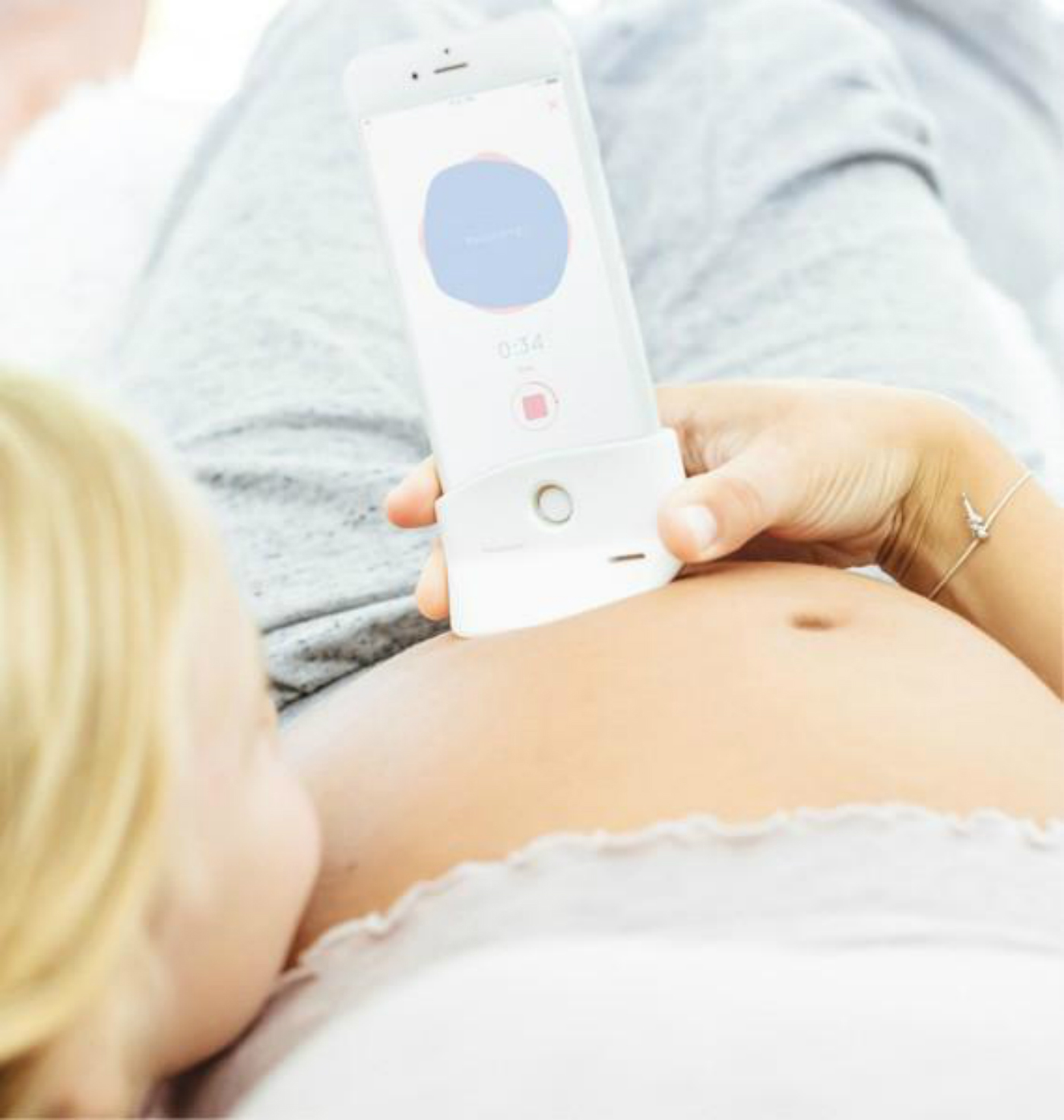
Most apps work by placing your phone directly against your bare abdomen, typically in the lower pelvic area where the baby resides. The microphone picks up vibrations and sounds, which the app then processes and amplifies. Some applications even include recording features, allowing you to save and share these precious moments with family members who might be far away.
It’s important to understand that these apps don’t use ultrasound technology like medical-grade Doppler devices. Instead, they rely purely on acoustic detection, which means they’re generally more effective during the second and third trimesters when the baby is larger and the heartbeat is stronger.
⏰ When Can You Start Using These Apps?
Timing is crucial when it comes to using baby heartbeat apps effectively. While some manufacturers claim their apps can detect heartbeats as early as 12 weeks, the reality is typically quite different for most users.
During the first trimester, the baby is still very small, and the heartbeat is faint and difficult to detect without professional equipment. Most expectant mothers find success with these apps starting around 20 to 30 weeks of pregnancy, when the baby has grown larger and the heartbeat becomes more pronounced.
Several factors influence when you’ll be able to hear your baby’s heartbeat through an app, including your body type, the position of your placenta, the baby’s position, and the amount of amniotic fluid. Women with less abdominal fat typically have an easier time detecting the heartbeat earlier in pregnancy.
📱 Top Features to Look for in a Baby Heartbeat App
Not all baby heartbeat apps are created equal. When choosing an application, consider these essential features that separate quality apps from mediocre ones:
- Clear audio amplification: The app should effectively filter background noise while amplifying fetal heart sounds
- Recording capability: Look for apps that let you save recordings to share with partners or keep as mementos
- Heart rate calculation: Some apps can estimate the baby’s heart rate in beats per minute
- Visual display: Waveform displays or animated hearts that pulse with the detected heartbeat enhance the experience
- User-friendly interface: Simple, intuitive controls make the app easier to use during those special moments
- Educational content: Quality apps often include pregnancy tips and developmental milestones
- Privacy protection: Ensure the app doesn’t share your personal data without consent
🔍 Understanding the Limitations and Realistic Expectations
While baby heartbeat apps can create beautiful bonding moments, it’s essential to maintain realistic expectations about their capabilities and limitations. These applications are not medical devices and should never replace professional prenatal care.
The accuracy of these apps varies significantly. Environmental factors, phone quality, microphone sensitivity, and user technique all impact results. Sometimes what you hear might actually be your own heartbeat, bowel sounds, or even the placental blood flow rather than your baby’s actual heartbeat.
Many healthcare professionals express concern about these apps potentially causing unnecessary anxiety. If a parent cannot detect a heartbeat, they may worry unnecessarily, even though the inability to detect it with an app doesn’t indicate a problem. Conversely, detecting what seems like a heartbeat doesn’t guarantee everything is fine.
💡 Tips for Successfully Using Baby Heartbeat Apps
Maximizing your success with a baby heartbeat app requires technique and patience. Following these practical tips can significantly improve your experience and increase your chances of hearing that magical sound.
First, choose the right environment. Find a quiet room free from background noise, as even subtle sounds can interfere with detection. Turn off televisions, fans, and other appliances that might create acoustic interference.
Timing matters too. Try using the app after a meal when your baby might be more active, or during times of day when you typically feel movement. Some parents find early morning works best, while others have success in the evening.
Your position is crucial. Lie down on your back or recline in a comfortable position. Place your phone against your bare skin in the lower abdomen, just above the pubic bone. Move the phone slowly and gently, trying different positions until you find the sweet spot.
Patience is perhaps the most important ingredient. It might take several minutes of searching, and some days you might not detect anything at all. This is completely normal and doesn’t indicate a problem with your baby.
🩺 The Medical Perspective on Fetal Heart Monitoring Apps
Healthcare providers have mixed opinions about consumer baby heartbeat apps. While many appreciate the bonding opportunities these apps provide, they also emphasize important safety considerations that every expectant parent should understand.
The American College of Obstetricians and Gynecologists and similar organizations worldwide caution that these apps should not be used to assess fetal wellbeing or replace medical monitoring. If you have concerns about your baby’s health or movement, contact your healthcare provider immediately rather than relying on an app.
Some doctors worry these apps might provide false reassurance. Hearing what you believe is a heartbeat might delay seeking medical attention when actual warning signs are present. Others express concern about increased anxiety when the app fails to detect a heartbeat, even when the baby is perfectly fine.
The consensus among medical professionals is clear: use these apps for bonding and enjoyment, but never as a substitute for proper prenatal care and professional fetal monitoring.
🌟 Creating Memorable Moments with Heartbeat Apps
Despite their limitations, baby heartbeat apps can facilitate beautiful experiences during pregnancy. Many families have found creative ways to incorporate these apps into their pregnancy journey.
Recording the heartbeat to share with grandparents-to-be who live far away creates a special connection across distances. Some parents play the recorded heartbeat for older siblings, helping them understand and bond with their future brother or sister.
Partners who might miss prenatal appointments due to work schedules can participate in these intimate moments at home. The shared experience of searching for and finding that rhythmic sound together strengthens the bond between parents and creates lasting memories.
Some creative parents have even incorporated heartbeat recordings into pregnancy announcements or gender reveal videos, adding a deeply personal touch to these special announcements.
🆚 Apps vs. Professional Doppler Devices: Key Differences
Understanding the distinction between smartphone apps and medical-grade fetal Doppler devices helps set appropriate expectations and ensures safe use of both technologies.
Professional Doppler devices use ultrasound technology to detect the baby’s heartbeat, making them significantly more sensitive and accurate than smartphone apps. These devices can typically detect heartbeats much earlier in pregnancy, sometimes as early as 10-12 weeks with proper technique.
However, even home Doppler devices, while more effective than apps, carry risks when used without proper training. Inexperienced users might have difficulty finding the heartbeat, causing unnecessary panic. Additionally, prolonged or frequent use raises questions about ultrasound exposure, though research on home Doppler safety remains inconclusive.
Smartphone apps, while less accurate, carry no exposure concerns since they use only acoustic detection. They’re also more accessible and affordable, requiring no additional equipment beyond a device most people already own.
🔐 Privacy and Data Security Considerations
In our digital age, privacy concerns extend even to pregnancy apps. Before downloading and using a baby heartbeat app, consider what data you’re sharing and how it might be used.
Read the privacy policy carefully. Some apps collect surprisingly detailed information, including recordings, usage patterns, and personal health data. Understand whether this information is stored locally on your device or uploaded to company servers, and whether it might be shared with third parties.
Look for apps that offer strong privacy protections, including data encryption and clear policies about data retention and deletion. Consider whether the app requires account creation or can be used anonymously.
Be cautious about sharing recordings on social media, as they could potentially be accessed or used in ways you didn’t intend. While sharing these precious moments is tempting, protect your privacy and your baby’s by being thoughtful about what you post publicly.
🌈 Enhancing Your Pregnancy Journey Beyond Heartbeat Apps
While baby heartbeat apps offer one way to connect with your unborn child, they’re just one tool among many for enriching your pregnancy experience.
Regular prenatal check-ups provide professional monitoring and opportunities to hear your baby’s heartbeat with medical-grade equipment. These appointments offer reassurance that apps cannot provide and are essential for ensuring both maternal and fetal health.
Pregnancy journaling, whether digital or traditional, helps you document this transformative period. Recording your thoughts, feelings, and experiences creates a meaningful record you’ll treasure for years to come.
Prenatal bonding activities like reading to your baby, playing music, or gentle belly massage foster connection without relying on technology. Your baby can hear your voice and feel your touch, creating bonds that transcend what any app can offer.
🎯 Making an Informed Decision About Using These Apps
Deciding whether to use a baby heartbeat app is a personal choice that depends on your individual circumstances, expectations, and comfort level with technology.
These apps work best for parents who understand their limitations and use them primarily for bonding rather than medical reassurance. If you’re someone who tends toward anxiety, you might find that difficulty detecting a heartbeat causes more stress than joy, making these apps less suitable for you.
Consider your pregnancy risk level as well. If you have a high-risk pregnancy or have experienced pregnancy loss, discuss using these apps with your healthcare provider first. They can help you understand whether this technology might be helpful or potentially anxiety-inducing in your specific situation.
Remember that inability to detect a heartbeat with an app is completely normal and doesn’t indicate a problem. If this would cause you significant worry, these apps might not be the right choice for your pregnancy journey.
💖 Embracing Technology While Trusting Your Instincts
The availability of baby heartbeat apps represents the wonderful intersection of technology and the timeless experience of pregnancy. These tools can create magical moments and help modern families feel connected in new ways.
However, technology should enhance rather than replace the intuitive connection between parent and child. Trust your instincts about your baby’s wellbeing, and never hesitate to contact your healthcare provider with concerns, regardless of what any app shows or doesn’t show.
The most important “app” for monitoring your baby remains your own awareness of movement patterns and changes. As pregnancy progresses, you’ll become familiar with your baby’s typical activity levels. Significant changes in these patterns warrant professional evaluation, regardless of what technology suggests.
Use baby heartbeat apps as one of many tools for celebrating pregnancy, but ground your peace of mind in proper medical care, self-awareness, and the guidance of qualified healthcare professionals who know you and your pregnancy intimately.
These nine months represent an incredible journey of transformation, anticipation, and growing love. Whether you choose to use a heartbeat app or not, what matters most is that you’re taking steps to connect with your baby and prepare for the amazing adventure of parenthood that awaits. Trust yourself, enjoy the technology available to you, but always prioritize professional medical guidance above any smartphone application. Your instincts, combined with proper prenatal care, remain the most reliable tools for ensuring a healthy pregnancy and welcoming your little one into the world. 🍼
