
Anúncios
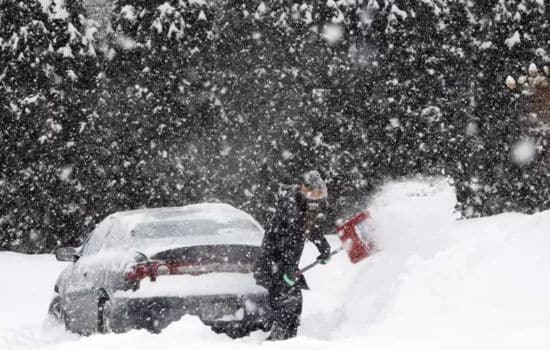
Severe weather can strike without warning, making real-time tracking apps essential for safety. Whether it’s heavy snow, thunderstorms, or tornadoes, staying informed saves lives.

Modern technology has transformed how we monitor weather conditions. Gone are the days of waiting for evening news forecasts or relying solely on morning radio updates. Today’s smartphone applications deliver precise, location-specific weather alerts directly to your pocket, often minutes before dangerous conditions arrive.
Anúncios
From blizzards blanketing highways to flash floods threatening communities, these digital tools have become indispensable companions for travelers, outdoor enthusiasts, emergency responders, and families alike. Understanding which apps offer the most reliable tracking features can make the difference between preparedness and vulnerability.
🌨️ Why Severe Weather Tracking Matters More Than Ever
Climate patterns have grown increasingly unpredictable over recent years. Extreme weather events that once occurred seasonally now appear with alarming frequency throughout the year. Snowstorms hit regions that rarely saw flurries, while unexpected ice storms paralyze cities unprepared for winter’s fury.
Anúncios
The human cost of unpreparedness remains staggering. Each winter, thousands find themselves stranded on frozen highways, while others face power outages lasting days. Accurate weather tracking provides crucial lead time—those precious hours that allow families to stock supplies, secure property, and make informed decisions about travel plans.
Businesses also depend heavily on weather intelligence. Transportation companies reroute shipments, airlines adjust schedules, and construction crews halt operations based on forecasts. A reliable weather app isn’t just convenient; it’s a critical planning tool that protects both people and profits.
📱 Essential Features Every Weather Tracking App Should Have
Not all weather applications are created equal. The best severe weather trackers share several key characteristics that set them apart from basic forecast tools.
Real-Time Radar and Satellite Imagery
Live radar displays show precipitation movement with remarkable precision. The most advanced apps overlay multiple data layers—temperature gradients, wind speeds, and snow accumulation predictions—onto interactive maps. Users can zoom into neighborhood-level detail or pull back to observe regional storm systems developing hundreds of miles away.
Satellite imagery complements radar by revealing cloud formations and atmospheric conditions that radar alone cannot detect. Together, these visualization tools provide comprehensive situational awareness that static forecasts simply cannot match.
Customizable Alert Systems
Effective notification systems offer granular control over alert types and severity levels. Users should be able to specify which weather events trigger notifications—from winter storm warnings to flash flood watches—and adjust alert radius settings to match their specific geographic concerns.
The best apps distinguish between watches, warnings, and advisories, explaining the difference clearly. They also provide actionable guidance rather than simply announcing danger, helping users understand what steps to take immediately.
Multi-Location Tracking
Families with members in different cities, frequent travelers, and business owners with multiple locations benefit enormously from apps that monitor several areas simultaneously. This feature allows quick comparison of conditions across regions, facilitating smarter travel timing and resource allocation.
🏔️ Top Apps for Tracking Severe Winter Weather
Several applications have earned reputations as go-to resources when snow, ice, and freezing conditions threaten.
Windy: The Meteorologist’s Choice
Windy stands out for its stunning visualization of atmospheric data. The app presents wind patterns, temperature changes, and precipitation forecasts through beautifully animated maps that make complex meteorological information accessible to non-experts.
What sets Windy apart is its integration of multiple weather models—ECMWF, GFS, and others—allowing users to compare different forecast scenarios. During major snowstorms, this multi-model approach reveals consensus predictions while highlighting areas of uncertainty.

The snow accumulation layer proves particularly valuable, displaying predicted snowfall amounts hour by hour. Users can scrub through time to watch storms develop, helping them identify the optimal window for travel or the worst periods to avoid venturing outdoors.
Weather Underground: Community-Powered Precision
Weather Underground harnesses data from thousands of personal weather stations worldwide, creating hyper-local forecasts that often outperform broader network predictions. In suburban and rural areas where official monitoring stations are sparse, this crowdsourced approach fills critical information gaps.
The app’s “Wundermap” combines radar, satellite, and station data into a single comprehensive view. During snowstorms, users can observe exactly how much snow has fallen at stations near their location, providing ground truth that complements predictive models.
Smart forecasts incorporate historical data and machine learning algorithms to improve accuracy over time. The more you use the app, the better it becomes at predicting conditions specific to your location.
The Weather Channel: Comprehensive and Accessible
As one of the most downloaded weather apps globally, The Weather Channel combines professional meteorological expertise with user-friendly design. The “Future Radar” feature projects precipitation patterns up to 12 hours ahead, essential for planning around approaching snowstorms.
Detailed hourly forecasts break down temperature, wind speed, visibility, and precipitation probability, giving users granular information for decision-making. The app also provides winter driving condition assessments, rating road safety on an easy-to-understand scale.
Dark Sky: Hyper-Local Minute-by-Minute Forecasts
Though Dark Sky’s independent app has been discontinued for Android users following Apple’s acquisition, its technology powers weather features across iOS devices. Its defining characteristic remains minute-by-minute precipitation forecasts for the next hour.
This precision proves invaluable when timing short trips during mixed winter weather. The app might inform you that snow will start in exactly 23 minutes and continue for 47 minutes—allowing you to either leave immediately or wait until the squall passes.
⚡ Apps Specialized for Multiple Severe Weather Types
While snow tracking is crucial for winter preparedness, comprehensive weather apps address the full spectrum of dangerous conditions.
RadarScope: Professional-Grade Radar Analysis
Designed for serious weather enthusiasts and professionals, RadarScope delivers unprocessed NEXRAD Level 3 and Super-Resolution radar data directly to smartphones. The learning curve is steeper than consumer apps, but the payoff is unmatched detail and customization.
Users can examine storm structure through multiple radar products—reflectivity, velocity, correlation coefficient, and differential reflectivity—providing insights into precipitation type, hail presence, and rotation within thunderstorms. During winter storms, these tools help distinguish between rain, sleet, and snow, often before conditions change at ground level.
MyRadar: Simplicity Meets Power
MyRadar achieves an impressive balance between functionality and ease of use. The app opens directly to animated radar centered on your location, with no cluttered menus or unnecessary features obscuring critical information.
Layered data options include storm tracks, hurricane paths, earthquake locations, and tropical weather updates. The aviation mode caters to pilots needing weather information formatted specifically for flight planning, while hurricane tracking features prove essential for coastal residents.
NOAA Weather Radar Live
This app draws directly from National Weather Service data, ensuring that alerts and forecasts match official government communications. During severe weather events, consistency across information sources reduces confusion and helps users make coordinated decisions.
The app excels at presenting government-issued warnings clearly, with plain-language explanations of threat levels and recommended actions. Push notifications arrive promptly when the National Weather Service issues new alerts for your area.
❄️ Specialized Snow Tracking and Winter Safety Features
Beyond general weather apps, several tools focus specifically on winter conditions and snow-related activities.
Snowcasting and Ski Resort Apps
Apps like OnTheSnow and OpenSnow cater to winter sports enthusiasts, tracking snowfall at hundreds of ski resorts while providing detailed mountain weather forecasts. These specialized tools incorporate elevation-specific predictions, recognizing that conditions at the base lodge differ dramatically from those at the summit.
Avalanche forecasts integrated into mountain weather apps provide crucial safety information for backcountry travelers. These assessments, updated daily by regional avalanche centers, rate danger levels and identify which aspects and elevations pose the greatest risks.
Road Condition and Traffic Integration
Several states maintain official transportation apps that combine weather data with real-time road condition reports. Cameras positioned along major highways provide visual confirmation of snow coverage, ice formation, and visibility conditions.
Apps like Waze crowdsource incident reports, alerting users to accidents, stalled vehicles, and dangerous road sections. During winter storms, these community updates offer ground-level intelligence that complements meteorological data.
🌐 How Weather Apps Source Their Data
Understanding where weather information originates helps users evaluate app reliability and recognize potential limitations.
Most apps aggregate data from governmental meteorological agencies—NOAA in the United States, Environment Canada, the UK Met Office, and others internationally. These agencies operate extensive networks of weather stations, satellites, and radar installations, collecting billions of data points daily.
Private weather companies like AccuWeather and The Weather Company employ their own meteorologists who interpret raw data and generate proprietary forecasts. These organizations invest heavily in forecasting models and machine learning systems designed to improve accuracy beyond what government agencies provide.
Personal weather station networks maintained by companies like Weather Underground and Ambient Weather contribute hyper-local observations. Homeowners install backyard stations that measure temperature, humidity, wind, rainfall, and sometimes even air quality, sharing this information with the broader community.
🔔 Making the Most of Weather Alert Systems
Even the most sophisticated app provides little value if users don’t configure alerts properly or understand how to interpret warnings.
Understanding Alert Hierarchy
The National Weather Service uses a three-tiered system that apps typically mirror:
- Advisories indicate conditions that cause significant inconvenience and may pose risks if caution isn’t exercised
- Watches mean severe weather is possible within the designated area, requiring monitoring and preparedness
- Warnings announce that severe weather is occurring or imminent, demanding immediate protective action
Configuring apps to distinguish between these levels prevents alert fatigue while ensuring critical warnings aren’t missed.
Geographic Precision Settings
Alert radius settings determine how much area surrounds your location triggers notifications. Too narrow, and you might miss storms approaching rapidly from unexpected directions. Too broad, and you’ll receive alerts for weather that never reaches you, gradually training yourself to ignore notifications.
Most experts recommend setting alert radii between 25-50 miles for severe weather, providing adequate warning time without excessive false alarms.
🛡️ Privacy Considerations When Using Weather Apps
Location-based services require careful attention to privacy settings. Weather apps necessarily access location data to provide relevant forecasts, but data handling practices vary dramatically between providers.
Some apps request continuous location access, tracking your position even when not actively using the application. This enables features like automatic location updates as you travel but also generates detailed movement histories that companies may monetize.
Privacy-conscious users should review permission settings, granting location access only while using apps rather than continuously. Reading privacy policies—tedious though it may be—reveals how companies collect, store, and share personal information.
Ad-supported free apps often collect more extensive data than paid alternatives, using behavioral information for targeted advertising. Users must weigh the value of free access against privacy implications.
📊 Comparing Accuracy: Which Apps Get It Right?
Forecast accuracy varies by region, weather type, and prediction timeframe. Independent studies evaluating forecast performance reveal interesting patterns.
Short-term predictions (1-3 hours) tend to be highly accurate across most apps, as they rely heavily on radar and satellite data showing current conditions. Accuracy decreases steadily beyond three days, with 7-10 day forecasts providing general trends rather than reliable specifics.
Winter precipitation forecasts prove particularly challenging. The difference between rain, freezing rain, sleet, and snow often depends on temperature variations of just a few degrees. Small forecast errors in temperature produce dramatically different ground conditions.
Apps that present multiple model forecasts or provide probability ranges rather than single predictions tend to be more honest about uncertainty. Watching how forecast confidence evolves as storms approach helps users gauge reliability.
🚨 Emergency Preparedness Beyond Apps
While weather apps represent powerful tools, comprehensive emergency preparedness requires additional elements that technology alone cannot provide.
Physical emergency kits containing non-perishable food, water, flashlights, batteries, first aid supplies, and warm clothing remain essential. Apps fail when cell towers lose power or internet connectivity falters—exactly when you need information most.
Battery-powered NOAA weather radios receive broadcasts directly from National Weather Service transmitters, functioning independently of cellular networks. These devices automatically alert users to warnings even while sleeping, providing redundancy when smartphones die or lose signal.
Establishing communication plans with family members ensures everyone knows how to reconnect if separated during emergencies. Designating out-of-state contacts who can relay information between family members proves valuable when local networks become congested.
🌟 The Future of Weather Tracking Technology
Emerging technologies promise to revolutionize severe weather monitoring over the coming years.
Artificial intelligence and machine learning algorithms continue improving forecast accuracy by identifying patterns in historical data that human meteorologists might overlook. These systems learn from forecast errors, gradually refining predictions through millions of iterations.
Crowdsourced observations from connected vehicles, IoT devices, and smartphone sensors create unprecedented data density. Every smartphone with a barometer becomes a potential weather station, collectively mapping atmospheric pressure changes across entire cities.
Augmented reality features may soon overlay weather information directly onto camera views, showing precipitation approaching in real-time or displaying wind direction arrows floating above the landscape.
❄️ Real Stories: When Weather Apps Made the Difference
The true value of weather tracking technology emerges through personal accounts of lives protected and disasters averted.
A Colorado family credits their weather app with saving their vacation when alerts warned of an approaching blizzard 12 hours before it closed mountain passes. They adjusted their departure time, reaching home safely while others spent the night stranded in their vehicles.
Emergency managers in Texas used weather app data to coordinate responses during unprecedented ice storms, identifying neighborhoods most at risk and positioning resources before conditions deteriorated. The apps’ hourly forecasts helped crews time road treatment applications for maximum effectiveness.
Countless smaller decisions—whether to let children walk to school, when to schedule outdoor events, which route to take home from work—benefit from reliable weather information that previous generations never had at their fingertips.

🎯 Choosing the Right App for Your Needs
Selecting the ideal weather tracking application depends on individual circumstances, technical comfort levels, and specific weather concerns.
Casual users prioritizing simplicity and clean interfaces may prefer The Weather Channel or Weather Underground, which balance comprehensive features with approachable design. These apps require minimal learning curves while providing reliable information for everyday decision-making.
Weather enthusiasts and those in high-risk areas benefit from more detailed tools like RadarScope or Windy, which offer professional-grade data visualization and multiple forecast models. The additional complexity rewards users willing to invest time understanding advanced features.
Travelers and those managing multiple locations should prioritize apps with robust multi-location tracking and customizable alert systems that distinguish between different geographic areas.
Budget-conscious users can find excellent free options, though premium subscriptions typically remove advertisements while adding features like extended forecasts and enhanced radar products. Most apps offer free trials of premium tiers, allowing evaluation before committing financially.
Ultimately, the best weather app is the one you’ll actually use consistently. Download several options, test them during various weather conditions, and settle on the tool that fits naturally into your daily routine. When severe weather threatens, familiarity with your chosen app’s interface and features becomes a critical advantage.
Weather tracking technology has evolved from luxury to necessity in our increasingly volatile climate. The smartphones in our pockets now carry more meteorological power than entire weather services possessed just decades ago. By choosing reliable apps, configuring them thoughtfully, and understanding their capabilities, we transform raw data into actionable intelligence that protects what matters most—our safety, our families, and our peace of mind when storms gather on the horizon. 🌨️
