
Anúncios
Mobile video editing has revolutionized content creation, empowering anyone with a smartphone to produce professional-quality videos anytime, anywhere.

The days of needing expensive desktop software and powerful computers for video editing are long gone. Today’s smartphones pack incredible processing power, and the app ecosystem has evolved to match. Whether you’re creating content for TikTok, Instagram Reels, YouTube, or professional projects, there’s a mobile editing app designed specifically for your needs.
Anúncios
From simple trim-and-cut tools to advanced multi-layer editing suites with color grading and motion graphics, mobile video editing apps have democratized content creation. Let’s explore the best options available and help you find the perfect app for your creative vision. 🎬
Why Choose Mobile Video Editing Apps? 📱
The shift toward mobile video editing isn’t just a trend—it’s a fundamental change in how content is created and consumed. Mobile apps offer unprecedented convenience, allowing creators to capture, edit, and publish content within minutes, all from a single device.
Anúncios
Speed is perhaps the greatest advantage. Traditional desktop workflows require transferring footage, opening heavy software, and working at a desk. Mobile editing happens wherever inspiration strikes—on the bus, at a café, or immediately after capturing that perfect moment. This immediacy is crucial in today’s fast-paced social media landscape where timing can make or break viral content.
Modern smartphones also eliminate the technical barriers that once intimidated aspiring creators. Intuitive touch interfaces replace complex keyboard shortcuts, making editing feel natural and accessible. Many apps feature AI-powered tools that automate tedious tasks like color correction, audio syncing, and even shot selection, letting you focus on storytelling rather than technical details.
Top Features to Look for in Video Editing Apps ✨
Not all video editing apps are created equal. Understanding which features matter most for your specific needs will help you choose the right tool and avoid wasting time with apps that don’t deliver.
Multi-track editing capability is essential for creating layered, professional content. This allows you to combine multiple video clips, overlay images, add text animations, and incorporate background music simultaneously. Apps that limit you to single-track editing severely restrict creative possibilities.
Transition effects and filters can elevate your content from amateur to polished. Look for apps offering diverse transition styles—from simple cuts and fades to dynamic wipes and 3D rotations. Quality filters that enhance colors without looking artificial are equally important, especially for maintaining consistent aesthetic across your content.
Export quality matters tremendously. Apps that compress videos excessively will degrade your carefully edited content. Support for 4K resolution, high bitrate exports, and various aspect ratios (vertical for Stories, square for Instagram feed, widescreen for YouTube) ensures your videos look crisp across all platforms.
CapCut: The Creator’s Favorite 🎨
CapCut has rapidly become the go-to editing app for millions of content creators worldwide, and for good reason. This free app, developed by ByteDance (TikTok’s parent company), offers an impressive feature set that rivals many paid alternatives.
The app’s interface strikes the perfect balance between power and usability. Beginners can jump in immediately with auto-captions, trending templates, and one-tap effects, while advanced users appreciate the precision timeline editing, keyframe animation, and chroma key (green screen) capabilities.
CapCut’s AI-powered features truly set it apart. The auto-caption tool generates accurate subtitles in multiple languages with minimal editing needed—a game-changer for accessibility and engagement. The background removal tool works remarkably well without requiring green screens, and the text-to-speech functionality adds professional voiceovers with natural-sounding voices.
Music and sound effects libraries within CapCut are extensive and, importantly, copyright-free for most platforms. The app also syncs seamlessly with trending sounds on TikTok, making it effortless to create content that rides viral audio waves.
Adobe Premiere Rush: Professional Power Simplified 💼
For creators who need cross-platform compatibility and integration with professional workflows, Adobe Premiere Rush delivers. This app brings core Premiere Pro functionality to mobile devices without the overwhelming complexity.
Rush excels in color correction and audio editing. The Lumetri color panel offers intuitive controls for adjusting exposure, contrast, highlights, and shadows with precision that few mobile apps match. Audio ducking automatically lowers background music when dialogue plays, creating professional-sounding mixes effortlessly.
The subscription model ($9.99/month) unlocks cloud syncing across devices, meaning you can start editing on your phone during your commute and seamlessly continue on your tablet or computer at home. Projects remain in perfect sync, with all edits preserved across devices.
Motion graphics templates (MOGTs) provide polished, animated titles and lower thirds that elevate production value. While the template library isn’t as extensive as some competitors, quality surpasses quantity, with each template offering customizable parameters.
InShot: Quick Edits with Style 🎯
InShot targets creators who prioritize speed without sacrificing quality. The app’s streamlined interface gets you from raw footage to published video faster than almost any competitor, making it ideal for daily content creators and social media managers.
The canvas feature deserves special mention—it allows you to add colored or blurred backgrounds to fit any video into different aspect ratios without cropping. This solves the common problem of vertical videos needing to work on landscape platforms, or vice versa.
Text and sticker libraries in InShot feel distinctly social-media-native, with trendy fonts, animated text effects, and culturally relevant stickers constantly updated. The app clearly understands what resonates on platforms like Instagram and TikTok.
While the free version includes watermarks and occasional ads, the one-time purchase ($3.99) removes these limitations permanently—no ongoing subscription required. This pricing model appeals to casual creators who want professional features without recurring costs.
LumaFusion: The Mobile Editing Powerhouse 🚀
LumaFusion represents the pinnacle of mobile video editing, offering capabilities that genuinely rival desktop software. Available exclusively on iOS, this app has become the secret weapon of professional videographers who edit entire projects on iPads.
The six-track editing timeline (three for video, three for audio) enables complex, layered compositions. You can apply color correction and effects to individual clips or entire tracks, use blend modes for creative compositing, and even edit in vertical orientation for social content.
Advanced color grading tools include vectorscopes, RGB parade displays, and six-point curve adjustments—features typically reserved for professional desktop applications. LumaFusion also supports LUT (Look-Up Table) imports, allowing you to apply cinematic color grades created by professional colorists.
The $29.99 price tag positions LumaFusion as an investment rather than an impulse purchase, but for serious mobile videographers, it’s worth every penny. There’s no subscription—you pay once and own the app forever, with free updates regularly adding new features.
KineMaster: Versatility Meets Accessibility 🌟
KineMaster has long been a favorite among Android users, though it’s now available on iOS as well. The app strikes an excellent balance between advanced features and user-friendliness, making it suitable for everyone from beginners to experienced editors.
Layer-based editing is KineMaster’s core strength. You can stack multiple videos, images, effects, text, and handwriting on separate layers, manipulating each independently. This approach mirrors professional desktop software more closely than most mobile alternatives.
The asset store within KineMaster offers thousands of royalty-free music tracks, sound effects, transition effects, and overlays. While some require individual purchases, many come free with the subscription, providing fresh creative options for every project.
Chroma key compositing works surprisingly well on KineMaster, especially when filming against proper green screens. The edge refinement tools help eliminate green spill and create clean composites that look convincingly integrated.
FilmoraGo: Beginner-Friendly Creativity 🎈
Wondershare’s FilmoraGo targets newcomers to video editing without talking down to them. The app introduces powerful features gradually through an intuitive interface that never feels overwhelming.
Theme templates in FilmoraGo automatically arrange your clips with matching transitions, effects, and music, creating polished videos in seconds. These aren’t rigid templates either—every element remains customizable, allowing personalization while maintaining cohesive design.
The square and vertical format presets demonstrate FilmoraGo’s social-media awareness. One tap optimizes your project for Instagram feed, Stories, TikTok, or YouTube, adjusting not just dimensions but also suggesting appropriate text sizes and composition guidelines.
The free version exports videos up to 1080p with a small watermark. The premium subscription ($7.99/month) removes watermarks and unlocks additional effects, though the free tier remains surprisingly capable for casual creators.
Splice: Apple’s Hidden Gem 🍎
Created by GoPro, Splice offers a completely free, ad-free editing experience on iOS that feels almost too good to be true. The catch? There isn’t one. GoPro maintains the app as a gateway to their ecosystem, but it works perfectly with footage from any camera.
The timeline editing feels remarkably smooth and responsive, with precise trimming controls and drag-and-drop simplicity. Speed adjustment tools allow you to create smooth slow-motion or time-lapse effects, even when your original footage wasn’t captured at high frame rates.
Audio editing in Splice deserves recognition. The app includes volume control, fade in/out, audio ducking, and a sound effects library that’s genuinely useful. Background music automatically adjusts to your video length, extending or shortening seamlessly.
Transitions in Splice feel cinematic rather than gimmicky. The selection isn’t overwhelming but focuses on timeless effects that won’t date your content. Sometimes limitation breeds better creativity than endless options.
Choosing the Right App for Your Needs 🤔
With so many excellent options available, selecting the right video editing app depends on your specific situation, content goals, and technical comfort level.
Social media creators who post daily across multiple platforms will appreciate apps like CapCut or InShot that prioritize speed, templates, and platform-specific formatting. These apps understand the rhythm of social content creation and remove friction from the workflow.
Professional videographers working on client projects need the advanced capabilities of LumaFusion or Adobe Premiere Rush. These apps offer color grading precision, audio mixing capabilities, and export quality that meets professional standards.
Budget-conscious beginners should start with free options like CapCut or Splice before committing to paid apps. Both offer surprisingly comprehensive feature sets without watermarks or pushy upselling, allowing you to determine whether mobile editing suits your workflow.
Essential Tips for Mobile Video Editing Success 💡
Even the best app won’t guarantee great results without proper technique. Mobile editing requires a slightly different approach than desktop workflows, with unique challenges and opportunities.
Organization becomes crucial when working on smaller screens. Name your clips descriptively before importing them into your editing app. Most apps sort media by date, making it frustratingly difficult to find specific shots among hundreds of files. A few seconds spent renaming files saves minutes of scrolling later.
Storage management can’t be ignored. Video files consume enormous amounts of space, and editing apps create additional temporary files during the process. Maintain at least 20GB of free storage on your device to prevent crashes and performance issues. Consider external storage solutions or cloud-based workflows for large projects.
Battery life depletes rapidly during video editing, especially when applying effects or rendering exports. Keep your device plugged in during extended editing sessions, or invest in a portable battery pack for editing on the go.
Export settings significantly impact final video quality. Always export at the highest resolution your source footage allows—never upscale, but never unnecessarily downscale either. Match frame rates to your original footage (24fps for cinematic looks, 30fps for standard, 60fps for smooth motion) rather than forcing conversions that can introduce stuttering.
The Future of Mobile Video Editing 🔮
Mobile video editing continues evolving at a breathtaking pace, with each app update bringing capabilities that once seemed impossible on handheld devices.
Artificial intelligence is transforming editing workflows. Beyond basic auto-captions, AI now assists with scene detection, subject tracking, audio cleanup, and even creative decisions like suggesting music that matches your video’s mood and pacing.
Collaborative editing features are emerging, allowing multiple creators to work on the same project simultaneously from different devices. This development mirrors the collaborative workflows long established in professional desktop software but adapted for mobile-first creators.
Cloud-based processing will likely address mobile devices’ hardware limitations. Rather than straining your phone’s processor with complex effects, future apps may offload intensive rendering to cloud servers, returning finished results to your device almost instantaneously.
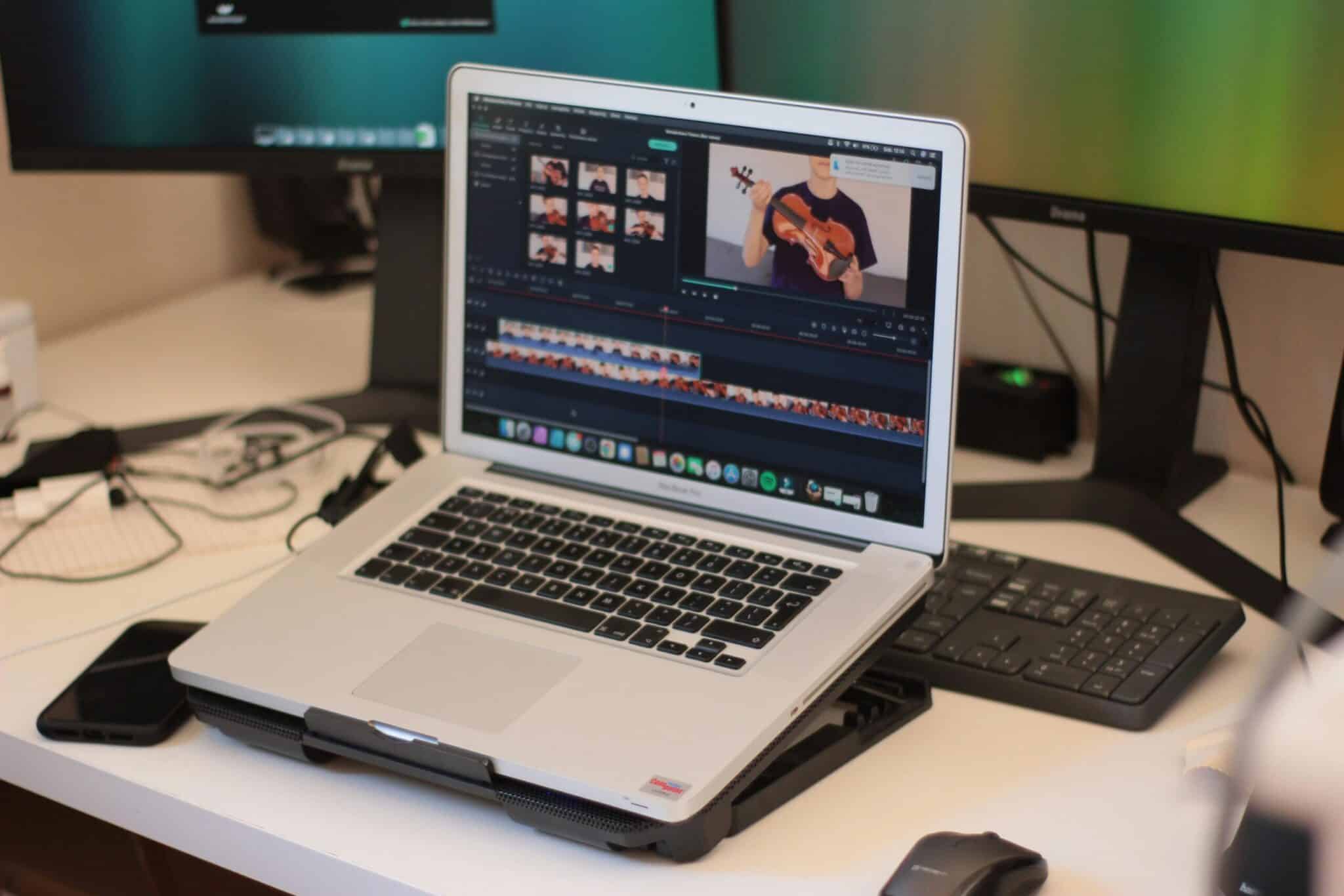
Making Your Choice and Getting Started 🎬
The best video editing app is ultimately the one you’ll actually use consistently. Technical capabilities matter less than finding an interface that matches your creative thinking and workflow preferences.
Download two or three apps that appeal to you and spend an hour with each, editing the same short video project. This hands-on comparison reveals which interface feels intuitive, which features you actually need, and which app keeps you engaged in the creative process rather than fighting the software.
Remember that switching apps later isn’t a failure—it’s growth. As your skills develop and your content evolves, your needs will change. The app that’s perfect for you today might feel limiting in six months, and that’s perfectly fine. The mobile editing ecosystem offers enough variety that there’s always another tool to explore.
Start creating today rather than waiting for perfect conditions or complete mastery. The learning process happens through doing, and every video you edit—regardless of which app you use—builds skills that transfer across platforms and tools. Your unique perspective and stories matter more than technical perfection, and mobile video editing apps have made it easier than ever to share those stories with the world. 🌍
