
Anúncios
Choosing between dropshipping and branding can make or break your ecommerce journey. Both models offer unique advantages, but understanding which aligns with your goals is crucial for long-term success.
🎯 Understanding the Core Differences Between Dropshipping and Branding
The ecommerce landscape presents entrepreneurs with multiple pathways to success, but two models stand out as fundamentally different approaches: dropshipping and branding. Each represents a distinct philosophy about how to build and scale an online business.
Anúncios
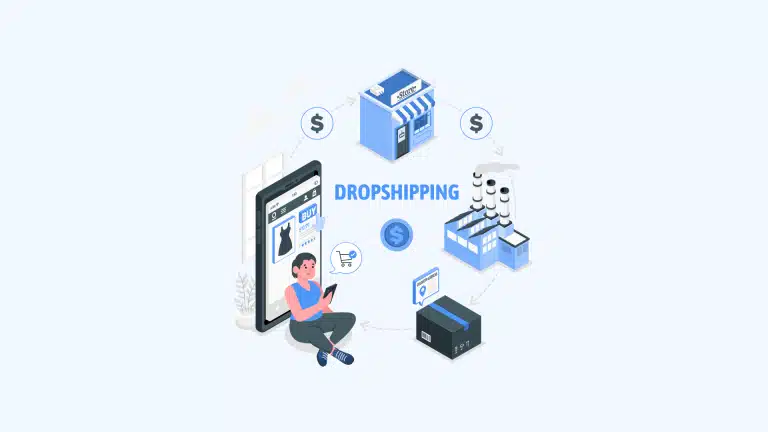
Dropshipping operates on a fulfillment model where you sell products without holding inventory. When a customer places an order, you purchase the item from a third-party supplier who ships it directly to the customer. This eliminates the need for warehousing, inventory management, and upfront product investment.
Branding, conversely, focuses on creating a unique identity and product line that customers recognize and trust. This approach typically involves developing proprietary products, building a distinct brand voice, and cultivating customer loyalty through consistent quality and messaging.
Anúncios
The fundamental distinction lies in your relationship with the product and customer. Dropshipping prioritizes speed and variety, while branding emphasizes differentiation and customer connection.
💰 Initial Investment Requirements: What You Really Need to Start
One of the most significant factors influencing your decision between these models is the initial capital required to launch your business.
Dropshipping Startup Costs
Dropshipping is renowned for its low barrier to entry. You can realistically start a dropshipping business with anywhere from $500 to $2,000. This budget typically covers:
- Ecommerce platform subscription (Shopify, WooCommerce hosting)
- Domain name and basic branding elements
- Initial marketing and advertising budget
- Essential apps and plugins for store functionality
- Sample products for quality verification
The beauty of dropshipping lies in its pay-as-you-go nature. You only purchase inventory after securing a customer sale, dramatically reducing financial risk.
Branding Investment Landscape
Building a branded business requires substantially more upfront capital. Depending on your product category and approach, you might need between $5,000 and $50,000 or more. These costs include:
- Product development and manufacturing
- Bulk inventory purchases to achieve competitive pricing
- Professional branding services (logo design, brand guidelines)
- Quality photography and content creation
- Trademark registration and legal protections
- Packaging and unboxing experience design
The higher investment creates a barrier to entry but also establishes competitive moats that protect your business from copycats.
📦 Profit Margins: The Reality Behind the Numbers
Understanding profit potential is essential for making an informed decision about which business model suits your financial goals.
Dropshipping Margin Expectations
Dropshipping typically operates on thinner profit margins, usually ranging from 10% to 30%. The competitive nature of selling readily available products forces prices down, while supplier costs remain relatively fixed.
For example, if you sell a phone case for $25 that costs $15 from your supplier, your gross margin is $10 before advertising and platform fees. After accounting for marketing costs (which can consume 30-50% of revenue in competitive niches), your net profit might shrink to $2-5 per sale.
Success in dropshipping relies on volume. You need to move significant quantities to generate substantial income, which requires efficient marketing systems and conversion optimization.
Branding Profit Potential
Branded businesses typically enjoy healthier margins, often ranging from 40% to 70% or higher. The ability to command premium pricing through brand equity and product differentiation drives this profitability.
A branded skincare product might cost $5 to manufacture and package but sell for $30-40 based on brand positioning, ingredient quality, and customer perception. Even after marketing expenses, you retain substantially more profit per unit.
Additionally, branded businesses benefit from improving margins over time as production scales and brand recognition reduces customer acquisition costs.
🚀 Speed to Market: How Quickly Can You Launch?
Time is money in ecommerce, and the timeline from concept to first sale varies dramatically between these models.
Dropshipping Launch Timeline
You can launch a functional dropshipping store in as little as 2-4 weeks. The process involves selecting a niche, identifying reliable suppliers, building your online store, and launching initial marketing campaigns.
This rapid deployment allows you to test market demand quickly, pivot when necessary, and iterate based on real customer feedback without significant sunk costs.
Branding Development Timeline
Building a legitimate brand typically requires 3-6 months minimum, often extending to a year or more for complex products. The timeline includes product development, supplier vetting and negotiation, sample iterations, branding development, content creation, and building initial inventory.
This extended timeline demands patience and sustained commitment but results in a more defensible business position once launched.
⚖️ Control and Quality Management
Your ability to control the customer experience varies significantly between these models and directly impacts customer satisfaction and retention.
Dropshipping Quality Challenges
With dropshipping, you surrender considerable control to third-party suppliers. You depend on them for product quality, accurate descriptions, reliable shipping, and proper packaging. When suppliers fail to meet standards, your brand reputation suffers despite having no direct control.
Common dropshipping quality issues include longer shipping times (especially from overseas suppliers), inconsistent product quality, poor packaging, and lack of product customization options.
Branding Quality Advantages
Branded businesses maintain complete oversight of the product development process, quality standards, packaging experience, and fulfillment operations. This control enables you to create consistent, memorable customer experiences that drive repeat purchases.
You can implement quality control checkpoints, customize products based on customer feedback, and ensure every touchpoint reflects your brand values.
🎨 Differentiation and Competitive Positioning
In an increasingly crowded ecommerce marketplace, your ability to stand out determines your survival and growth potential.
Dropshipping Competition Realities
Dropshipping faces intense competition because barriers to entry are minimal. Hundreds or thousands of sellers might offer identical products from the same suppliers, making differentiation challenging.
Success in dropshipping requires creative marketing, superior customer service, smart bundling strategies, or niche selection that others overlook. Price becomes a primary competitive factor, further compressing margins.
Branding Differentiation Power
A strong brand creates inherent differentiation that competitors cannot easily replicate. Your unique product formulations, brand story, visual identity, and customer community become competitive advantages that justify premium pricing.
Customers develop emotional connections with brands, creating loyalty that transcends price comparisons and protects against competitive pressure.
📈 Scaling Strategies and Growth Potential
Both models offer pathways to significant revenue, but the scaling mechanics differ substantially.
Scaling Dropshipping Operations
Dropshipping scales relatively easily from a logistics perspective since suppliers handle fulfillment. Growth primarily requires increasing marketing spend and optimizing conversion rates.
However, scaling challenges emerge around customer service complexity, supplier relationship management, and maintaining profitability as advertising costs rise with competition.
Scaling Branded Businesses
Branded businesses face different scaling challenges, particularly around inventory management, working capital requirements, and operational complexity. However, successful brands achieve sustainable growth through customer retention, word-of-mouth marketing, and expanding product lines.
The customer lifetime value in branded businesses typically far exceeds dropshipping, creating more predictable revenue streams and enabling strategic planning.
💡 Customer Relationships and Lifetime Value
The depth of customer relationships you can cultivate varies dramatically between models and significantly impacts long-term business value.
Dropshipping Customer Dynamics
Dropshipping customers often exhibit transactional relationships with minimal brand loyalty. They’re frequently price-sensitive and difficult to convert into repeat buyers, especially if they discover they can purchase the same product elsewhere for less.
Building a customer database and implementing email marketing can improve retention, but the generic nature of products limits emotional connection.
Branding Relationship Depth
Branded businesses create opportunities for meaningful customer relationships. Your unique products, brand story, and consistent quality encourage customers to return, recommend your business, and engage with your content.
This loyalty translates into higher customer lifetime values, reduced acquisition costs over time, and a more stable revenue foundation that supports strategic growth initiatives.
🔧 Operational Complexity and Daily Management
Understanding the day-to-day reality of running each business model helps set realistic expectations.
Dropshipping Daily Operations
Dropshipping operations center around marketing management, customer service, supplier communication, and store optimization. You’ll spend significant time monitoring ad performance, responding to customer inquiries, processing orders, and handling occasional supplier issues.
The operational burden is relatively light compared to traditional retail but requires vigilance around supplier reliability and customer satisfaction.
Branding Operational Requirements
Branded businesses involve more complex operations including inventory forecasting, supplier relationship management, quality control, warehousing coordination, fulfillment oversight, and product development cycles.
As you grow, you’ll likely need to build a team to manage these functions, adding payroll and management responsibilities to your plate.
🎯 Which Model Matches Your Goals and Situation?
Selecting between dropshipping and branding depends on multiple personal and situational factors that extend beyond simple profit calculations.
Choose Dropshipping If You:
- Have limited startup capital (under $2,000)
- Want to test business concepts quickly with minimal risk
- Prefer learning ecommerce fundamentals before bigger commitments
- Enjoy marketing and customer acquisition challenges
- Want location independence with minimal operational complexity
- Are comfortable with lower margins compensated by volume
Choose Branding If You:
- Have substantial startup capital or access to funding
- Possess product expertise or unique product ideas
- Value building long-term business equity and valuation
- Can commit to a longer timeline before profitability
- Want to create meaningful customer relationships
- Prefer higher margins over transaction volume
🔄 The Hybrid Approach: Starting with Dropshipping, Evolving to Branding
Many successful ecommerce entrepreneurs don’t view these models as mutually exclusive but rather as stages in business evolution.
Starting with dropshipping allows you to validate market demand, understand customer preferences, test marketing channels, and generate initial cash flow with minimal risk. Once you’ve identified winning products and profitable niches, you can transition toward private labeling or developing proprietary products.
This hybrid approach combines the speed and low risk of dropshipping with the long-term value creation of branding. You might continue dropshipping complementary products while developing your core branded line, diversifying revenue streams and maximizing market coverage.
📊 Making Your Decision: A Strategic Framework
Before committing to either model, conduct honest assessments across several dimensions:
Financial Assessment: Calculate your available startup capital, monthly budget for operations and marketing, and timeline until you need positive cash flow. Match these realities against the typical requirements for each model.
Skills Inventory: Evaluate your strengths in marketing, product development, operations management, and customer service. Dropshipping heavily favors marketing skills, while branding requires broader operational capabilities.
Risk Tolerance: Consider your comfort level with financial risk, timeline uncertainty, and competitive pressure. Dropshipping offers faster feedback and easier pivots, while branding demands sustained commitment through longer development cycles.
Long-term Vision: Define what success looks like in 3-5 years. If building a sellable asset matters, branding provides clearer pathways. If maximizing short-term income or maintaining flexibility is paramount, dropshipping might align better.
🌟 Building Success Regardless of Your Choice
Regardless of which model you select, certain principles drive ecommerce success across both approaches.
Customer-Centric Focus: Whether dropshipping or branding, exceptional customer service differentiates winners from failures. Respond promptly to inquiries, resolve issues generously, and consistently exceed expectations.
Data-Driven Decision Making: Track key metrics including customer acquisition cost, conversion rates, average order value, and customer lifetime value. Use this data to optimize your operations and marketing continuously.
Continuous Learning: The ecommerce landscape evolves rapidly. Successful entrepreneurs commit to ongoing education about platform changes, marketing innovations, consumer trends, and competitive movements.
Strategic Marketing: Master at least one acquisition channel before diversifying. Whether Facebook ads, Google Shopping, influencer partnerships, or content marketing, depth beats breadth in the early stages.
🚦 Your Next Steps Toward Ecommerce Success
Both dropshipping and branding offer legitimate pathways to ecommerce success, but they require different resources, timelines, and skill sets. Dropshipping provides an accessible entry point with lower risk and faster feedback, while branding builds more valuable, defensible businesses with stronger customer relationships and better margins.
Your optimal choice depends on your current situation, available resources, skills, risk tolerance, and long-term vision. Many entrepreneurs find success by starting with dropshipping to learn the fundamentals and generate initial capital, then evolving toward branding as they identify winning products and market opportunities.
The most important decision isn’t necessarily which model you choose initially, but that you start taking action, learn from real market feedback, and remain flexible enough to adapt your approach as you gain experience and clarity about what works in your specific market.
Success in ecommerce ultimately comes down to execution, persistence, and customer focus regardless of your chosen business model. Start with the approach that matches your current situation, commit to excellence in serving your customers, and remain open to evolving your strategy as you grow.
