
Anúncios
Freelancing offers incredible flexibility, but relying solely on active income can feel like running on a treadmill—constantly working just to stay afloat financially.
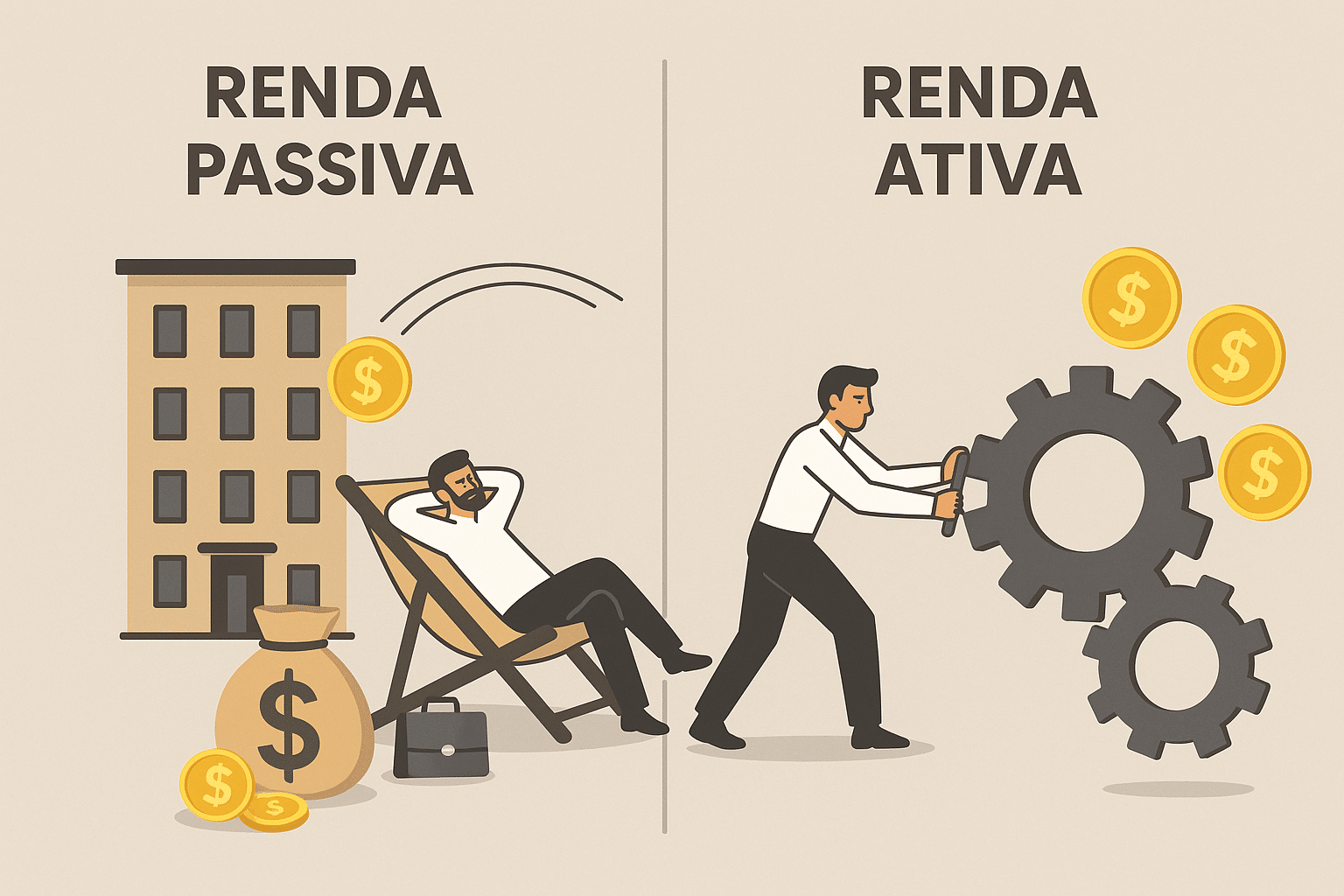
The dream of financial freedom isn’t just about earning more money; it’s about creating systems that generate income even when you’re not actively working. For freelancers, this concept becomes particularly crucial since your income traditionally depends on trading time for money. Building passive income streams transforms your financial landscape from precarious to prosperous, allowing you to weather slow periods, take vacations without guilt, and eventually choose projects based on passion rather than necessity.
Anúncios
The journey toward passive income as a freelancer isn’t about getting rich quickly or abandoning your craft. Instead, it’s about strategically leveraging your existing skills, knowledge, and network to create revenue sources that continue generating returns long after the initial work is complete. This approach doesn’t just secure your financial future—it fundamentally changes your relationship with work and money.
💼 Understanding Passive Income in the Freelance Context
Before diving into specific strategies, it’s essential to understand what passive income actually means for freelancers. True passive income requires minimal ongoing effort to maintain once established. However, most passive income streams require substantial upfront investment—either in time, money, or both—before they start generating returns.
Anúncios
For freelancers, passive income typically falls into several categories: digital products that sell repeatedly, affiliate partnerships that generate commissions, content that attracts advertising revenue, and educational materials that teach others your expertise. Each of these requires different initial investments and offers varying levels of true passivity.
The beauty of passive income is compound growth. Once you establish one stream, it continues generating revenue while you build the next. Over time, these streams accumulate, creating a financial foundation that provides stability and eventually choice in how you spend your working hours.
📚 Transform Your Expertise Into Digital Products
Your years of freelancing have given you valuable knowledge that others would pay to access. Digital products represent one of the most accessible passive income streams because they leverage what you already know without requiring inventory, shipping, or physical infrastructure.
E-books serve as an excellent starting point. If you’ve specialized in graphic design, social media marketing, copywriting, or any other freelance skill, you possess insights that beginners desperately need. An e-book detailing your process, common mistakes to avoid, or industry secrets can sell for years with minimal updates.
Templates and tools offer another lucrative avenue. Freelancers constantly search for resources that save time and improve their work quality. If you’re a graphic designer, selling logo templates, social media graphics bundles, or presentation templates can generate consistent income. Writers can create content calendars, email templates, or proposal frameworks. Developers might offer code snippets, plugins, or starter themes.
Creating Products That Actually Sell 🎯
The difference between digital products that succeed and those that languish unsold often comes down to market research. Before creating anything, validate your idea by engaging with your target audience. Join online communities where your potential customers gather, ask questions about their biggest challenges, and identify gaps in existing solutions.
Quality matters tremendously in digital products. While you don’t need perfection, your product should deliver genuine value and reflect professional standards. Invest time in proper formatting, clear explanations, and thoughtful organization. Remember that every product serves as a marketing tool for your expertise—poor quality damages your reputation while excellence attracts more customers.
Pricing strategy significantly impacts your success. Research competitors, but don’t automatically undercut them. Many creators undervalue their expertise, pricing products so low that customers question their quality. Consider offering tiered pricing—a basic version at a lower price point and a premium version with additional resources or personalization.
🎓 Build and Monetize Online Courses
Online education has exploded in recent years, creating unprecedented opportunities for freelancers to package their knowledge into structured learning experiences. Courses typically command higher prices than e-books because they offer more comprehensive value through video content, exercises, and community support.
Platforms like Udemy, Teachable, and Skillshare have democratized course creation, handling technical infrastructure while you focus on content. Each platform offers different advantages: Udemy provides massive audience reach but controls pricing; Teachable offers more control but requires you to drive traffic; Skillshare pays based on watch time but builds your teaching reputation.
Successful courses solve specific problems rather than covering broad topics. Instead of “How to Be a Freelance Writer,” consider “How to Land Your First Three Copywriting Clients in 30 Days.” Specific promises attract motivated students who know exactly what they’re getting and why they need it.
Structuring Your Course for Maximum Impact 📖
Course structure dramatically affects completion rates and student satisfaction. Start with clear learning objectives—students should know exactly what they’ll achieve by finishing your course. Break content into digestible modules, each covering one major concept or skill.
Video quality doesn’t require professional equipment, but audio quality is non-negotiable. Students will tolerate less-than-perfect video, but poor audio causes immediate drop-off. Invest in a decent microphone and record in a quiet environment.
Include practical exercises and assignments that help students apply what they’re learning. Theory alone rarely translates to skill development. Provide templates, worksheets, and examples that make implementation easier. The more actionable your content, the more transformative your course becomes.
💰 Leverage Affiliate Marketing Strategically
Affiliate marketing allows you to earn commissions by recommending products and services you already use and believe in. For freelancers with an audience—whether through a blog, email list, social media following, or YouTube channel—affiliate income can grow substantially with minimal ongoing effort.
The key to successful affiliate marketing is authenticity. Only promote products you’ve personally used and genuinely recommend. Your reputation is your most valuable asset as a freelancer, and compromising it for small commissions destroys long-term earning potential. When you recommend something authentically, your enthusiasm and specific insights convince others far more effectively than generic promotions.
Different affiliate programs offer varying commission structures. Some pay one-time commissions, while others provide recurring revenue for subscription services. Software tools, hosting providers, and educational platforms often offer recurring commissions, making them particularly attractive for passive income building.
Building an Audience Worth Marketing To 👥
Affiliate marketing only generates significant income when you have an engaged audience that trusts your recommendations. Building this audience requires consistent content creation that provides value without constantly selling. The 80/20 rule works well: 80% pure value content, 20% promotional content.
Email lists remain the most valuable audience asset because you own the relationship directly. Social media platforms can change algorithms or suspend accounts, but your email list stays with you. Offer a valuable lead magnet—a free resource solving a specific problem—in exchange for email addresses.
Content that ranks in search engines provides the most passive traffic. Identify keywords your target audience searches for and create comprehensive content addressing those queries. Over time, this content attracts visitors continuously without requiring paid advertising or constant social media promotion.
🎬 Create Content That Generates Advertising Revenue
Content creation on platforms like YouTube, podcasting platforms, or your own blog can generate passive income through advertising once you build sufficient traffic. While this approach requires significant upfront effort before generating meaningful revenue, successful content continues attracting viewers and earning money for years.
YouTube offers particularly attractive passive income potential through its Partner Program, which places ads on your videos. Once you reach 1,000 subscribers and 4,000 watch hours, you can monetize your content. Evergreen content—videos that remain relevant and useful over time—continues generating views and revenue long after publication.
Blogging with ad networks like Mediavine or AdThrive provides another avenue, though these premium networks require substantial traffic before acceptance. Even before reaching those thresholds, affiliate marketing and sponsored content can monetize your blog traffic effectively.
Choosing Topics With Longevity 🌳
The difference between content that generates long-term passive income and content that quickly becomes irrelevant lies in topic selection. Focus on foundational concepts, timeless strategies, and evergreen problems rather than trending topics that lose relevance quickly.
For example, a video about “Fundamental Principles of Good Design” remains relevant indefinitely, while “Design Trends for 2024” becomes outdated within months. Both have their place, but evergreen content builds passive income while trending content drives temporary traffic spikes.
Organize your content in ways that encourage binge-watching or extended reading sessions. Create series where each piece builds on previous content, encouraging viewers to watch multiple videos or read several articles. This increases watch time and page views, both metrics that improve algorithmic promotion and advertising revenue.
🤝 Develop Licensing and Royalty Arrangements
If you create original work—whether photography, illustrations, music, writing, or design—licensing provides passive income by allowing others to use your creations in exchange for fees. Stock photography, illustration marketplaces, and music licensing platforms connect creators with buyers seeking ready-made assets.
Platforms like Shutterstock, Adobe Stock, and Getty Images for visual content, or Epidemic Sound and AudioJungle for music, handle the sales process while you earn royalties. While individual sales might seem small, popular items can generate hundreds or thousands of downloads, accumulating substantial income over time.
The advantage of licensing is that the same work can sell repeatedly without additional effort. A single photograph or illustration might generate income for years, being licensed by multiple clients for various projects. This makes licensing one of the most passive income streams available to creative freelancers.
🏗️ Build Software or Apps That Solve Problems
For technically inclined freelancers, developing software applications, WordPress plugins, or mobile apps creates income streams that can scale dramatically. While the initial development requires significant time investment, successful tools generate revenue through sales, subscriptions, or freemium models where basic features are free but premium features require payment.
The key is identifying problems your target audience faces repeatedly and creating elegant solutions. As a freelancer, you understand the pain points in your industry intimately. Perhaps project management tools don’t quite fit freelancer needs, invoicing software is too complicated, or time tracking apps lack essential features.
You don’t need to build everything yourself. Many successful software entrepreneurs start with a clear vision, create wireframes and specifications, then hire developers to handle technical implementation. This approach lets non-technical freelancers enter software development by investing money rather than learning to code.
📊 Creating Your Passive Income Action Plan
Building passive income streams requires strategic planning rather than scattered efforts. Start by assessing your current situation: skills, audience size, available time, and financial resources for investment. Different passive income strategies suit different circumstances.
Begin with one primary focus rather than attempting everything simultaneously. Choose the strategy that best aligns with your existing assets and preferences. If you already have an audience, affiliate marketing or courses might be quickest to revenue. If you’re starting fresh, digital products or content creation might make more sense.
Set realistic timelines. Most passive income streams take 6-12 months of consistent effort before generating significant returns. This isn’t a side hustle you’ll work on occasionally—it requires dedicated time each week, treated as seriously as client work.
Measuring Progress and Adjusting Strategy 📈
Track relevant metrics for your chosen passive income strategy. For courses, monitor enrollment rates and completion rates. For content, watch traffic growth and engagement metrics. For digital products, track conversion rates from visitors to customers.
Don’t expect overnight success, but do expect to see gradual progress if you’re executing effectively. If three months pass without any positive indicators—growing email list, increasing traffic, first sales—reassess your approach. Perhaps your messaging needs refinement, your product doesn’t solve a pressing problem, or your marketing channels aren’t reaching your target audience.
Reinvest early earnings into growth. When your first passive income stream starts generating revenue, resist the temptation to simply pocket the money. Instead, invest in better tools, paid advertising, outsourcing time-consuming tasks, or developing your next income stream. This accelerates your progress toward financial freedom.
⚖️ Balancing Client Work With Passive Income Building
The biggest challenge freelancers face when building passive income is time allocation. Client work pays bills today, while passive income building invests in tomorrow. How do you balance these competing demands without burning out or losing income?
Consider the 70/20/10 rule: 70% of your time on client work, 20% on passive income development, and 10% on marketing and business development. This ensures you maintain current income while steadily building future streams. As passive income grows, gradually shift the ratio toward more passive income work.
Protect your passive income building time as rigorously as client deadlines. Block specific hours each week exclusively for this work. Treat these appointments with yourself as non-negotiable, because they are—your financial future depends on them.
Some freelancers reduce expenses temporarily while building passive income, creating financial breathing room to work slightly fewer billable hours. Others wake earlier or work some evenings. Find the approach that suits your circumstances and energy levels without leading to burnout.
🚀 Scaling Beyond Your Initial Streams
Once your first passive income stream generates consistent revenue—even modest amounts—you’ve proven the concept works. Now you can scale by creating additional streams, expanding existing ones, or automating processes to reduce your ongoing involvement.
Successful passive income builders often follow the “stack and scale” approach: perfect one stream until it runs smoothly, then add another. Each new stream benefits from lessons learned and systems developed for previous ones. Your second course takes half the time to create because you’ve refined your process. Your third digital product sells better because you’ve grown your audience.
Consider hiring help as revenue grows. Virtual assistants can handle customer service for digital products. Video editors can accelerate content creation. Copywriters can write promotional emails. Every task you delegate frees time to build additional income streams or simply enjoy the freedom you’ve been working toward.
🌟 Protecting Your Financial Freedom Long-Term
Financial freedom requires not just building passive income but protecting and managing it wisely. As income grows, develop proper financial systems. Separate business and personal accounts, set aside money for taxes, and create an emergency fund covering 6-12 months of expenses.
Diversification matters tremendously. Relying on a single passive income source recreates the vulnerability you’re trying to escape. Build multiple streams across different platforms and income models. If one platform changes its algorithm, policies, or commission structure, others continue generating revenue.
Keep learning and adapting. The digital landscape evolves constantly, creating new opportunities while making some strategies less effective. Stay informed about changes in your industry, emerging platforms, and evolving audience preferences. The skills that build passive income today might need updating tomorrow.
Financial freedom as a freelancer isn’t a destination but an ongoing journey. Each passive income stream you build adds another layer of security, choice, and possibility to your life. Start today with one focused effort, commit to consistent execution, and trust the compound effect of your efforts over time. Your future self—enjoying the freedom to choose projects based on passion rather than necessity—will thank you for the dedication and vision you bring to this journey. 💪
