
Anúncios
Credit Cards – Your Gateway to Financial Flexibility
Credit cards have become essential financial tools in modern life, offering convenience, security, and rewards that cash simply cannot match.
Anúncios
Whether you’re building your credit history, earning cashback on everyday purchases, or protecting yourself from fraud, understanding how credit cards work can transform your financial journey.
The right card in your wallet opens doors to better purchasing power and financial management opportunities.
Anúncios
This comprehensive guide explores everything you need to know about credit cards—from choosing your first card to maximizing rewards and avoiding common pitfalls.
Let’s dive into the world of plastic money and discover how to make it work for you. 💳


Understanding the Basics of Credit Cards
A credit card is essentially a short-term loan that allows you to borrow money from a financial institution to make purchases. Unlike debit cards that withdraw directly from your bank account, credit cards provide a line of credit that you must repay, typically with interest if not paid in full by the due date.
When you swipe or tap your credit card, the issuing bank pays the merchant on your behalf. You then receive a monthly statement detailing all transactions, and you have the option to pay the full balance or make a minimum payment. This flexibility makes credit cards incredibly convenient, but it also requires discipline and financial awareness.
The credit limit assigned to your card represents the maximum amount you can borrow at any given time. This limit is determined by factors including your credit score, income, employment history, and existing debts. As you build a positive payment history, issuers may increase your limit over time.
Different Types of Credit Cards Available Today 🎯
The credit card market offers diverse options tailored to different financial needs and lifestyles. Understanding these categories helps you select the card that aligns best with your spending habits and financial goals.
Cashback and Rewards Cards
These popular cards return a percentage of your spending as cash or points. Cashback cards typically offer 1-5% back on purchases, with higher rates in specific categories like groceries, gas, or dining. Rewards cards accumulate points redeemable for travel, merchandise, or statement credits.
Travel Credit Cards
Designed for frequent travelers, these cards offer airline miles, hotel points, airport lounge access, and travel insurance benefits. Premium travel cards often include perks like waived foreign transaction fees, trip cancellation protection, and concierge services.
Balance Transfer Cards
If you’re carrying high-interest debt, balance transfer cards offer promotional periods with 0% or low APR, allowing you to consolidate and pay down debt more efficiently. These cards can save hundreds or thousands in interest charges when used strategically.
Secured Credit Cards
Perfect for credit-building beginners or those rebuilding credit, secured cards require a cash deposit that serves as your credit limit. They function like regular credit cards and help establish positive payment history that boosts your credit score.
Student Credit Cards
Tailored for college students with limited credit history, these cards offer lower credit limits, educational resources, and sometimes rewards for good grades. They provide a supervised entry point into responsible credit use.
How to Choose the Right Credit Card for Your Needs
Selecting the perfect credit card requires honest assessment of your spending patterns, financial discipline, and long-term goals. The most advertised card isn’t necessarily the best fit for your unique situation.
Start by analyzing where your money goes each month. If you spend significantly on dining and entertainment, a card offering bonus rewards in those categories makes sense. For grocery-focused households, look for cards that maximize returns on supermarket purchases.
Consider the annual fee carefully. Premium cards with substantial fees often provide value through benefits, but only if you actually use those perks. A no-annual-fee card might serve you better if you’re a casual user or just starting out.
Interest rates matter tremendously if you occasionally carry a balance. Look for cards with competitive APRs, though the best strategy is always paying your full balance monthly to avoid interest charges altogether.
Read the fine print regarding foreign transaction fees, late payment penalties, and how rewards are calculated. Some cards advertise attractive rewards but limit categories or impose caps that diminish actual value.
Building and Maintaining Excellent Credit 📈
Your credit card behavior directly impacts your credit score, which influences everything from mortgage rates to job opportunities. Understanding the factors that shape your score empowers you to build strong credit deliberately.
Payment history accounts for approximately 35% of your credit score—the single most important factor. Setting up automatic payments for at least the minimum due ensures you never miss a payment, though paying in full is always preferable.
Credit utilization, representing about 30% of your score, measures how much of your available credit you’re using. Keeping utilization below 30% across all cards, and ideally under 10%, signals responsible credit management to lenders.
The length of your credit history contributes roughly 15% to your score. This makes keeping your oldest credit card account open valuable, even if you don’t use it frequently. That long-standing account demonstrates your credit experience.
Avoid applying for multiple credit cards within short timeframes. Each application triggers a hard inquiry that temporarily lowers your score. Space out applications and only apply when you’ve researched and identified truly beneficial cards.
Maximizing Credit Card Rewards and Benefits 🎁
Strategic credit card use transforms everyday spending into tangible rewards. The difference between casual and optimized card use can mean hundreds or thousands of dollars annually in value.
Many cardholders miss out by using one card for everything. Instead, maintain a small portfolio of cards, each optimized for specific spending categories. Use your travel card for flights and hotels, your cashback card for groceries, and your dining card at restaurants.
Take full advantage of sign-up bonuses, which often provide the highest value. These bonuses typically require spending a certain amount within the first few months. Plan large purchases around new card acquisitions to meet thresholds naturally without overspending.
Track rotating bonus categories on cards that change quarterly. Setting calendar reminders ensures you activate these categories and adjust spending accordingly. Missing activation means leaving free money on the table.
Explore benefits beyond rewards points. Many cards offer purchase protection, extended warranties, price protection, rental car insurance, and cellphone protection. Understanding and using these benefits adds substantial value to your card relationship.
Avoiding Common Credit Card Mistakes
Even financially savvy individuals fall into credit card traps that damage their finances and credit scores. Awareness of these pitfalls helps you navigate credit card ownership successfully.
Carrying a balance while paying interest is the most expensive mistake. Credit card APRs typically range from 15-25%, making debt incredibly costly. If you cannot pay your full statement balance, you’re spending beyond your means and should reassess your budget.
Making only minimum payments creates a debt spiral. With compound interest, a $1,000 balance can take years to repay and cost hundreds in interest. Always pay more than the minimum, ideally the full balance.
Ignoring your statements invites fraud and billing errors. Review each transaction monthly, verifying charges and catching unauthorized purchases quickly. Most card issuers provide zero liability for fraud, but only if you report it promptly.
Closing old credit card accounts seems logical when consolidating finances, but it reduces your available credit and shortens your average account age—both negative factors for your credit score. Unless the card has an annual fee you can’t justify, keep it open with occasional small purchases.
Cash advances represent one of the worst ways to use credit cards. They typically incur immediate fees of 3-5%, carry higher interest rates than purchases, and begin accruing interest immediately without a grace period.
Managing Multiple Credit Cards Effectively 🗂️
Juggling several credit cards requires organization and discipline, but it enables optimization of rewards and benefits across spending categories.
Create a simple system for tracking which card to use for different purchases. Many people use smartphone notes, spreadsheets, or dedicated apps that categorize spending and recommend optimal cards for each transaction type.
Set up automatic payments for at least the minimum due on all cards to prevent missed payments. Then manually pay the remaining balance on cards you’ve used that month. This dual approach provides a safety net while minimizing interest charges.
Conduct quarterly reviews of your credit card portfolio. Assess whether each card still serves your needs, if annual fees remain justified by benefits received, and whether better options have emerged in the market.
Consolidate statements and tracking through digital tools. Most credit card issuers offer mobile apps with real-time notifications, spending categorization, and reward tracking. Credit monitoring services aggregate multiple cards into single dashboards for holistic financial visibility.
Credit Card Security and Fraud Protection 🔒
Credit cards offer superior fraud protection compared to debit cards, but you must remain vigilant and take proactive security measures.
Enable transaction notifications through your card issuer’s app. Instant alerts for every purchase help you identify unauthorized charges within minutes, allowing quick response before significant damage occurs.
Use virtual card numbers for online shopping when available. These temporary numbers link to your actual card but can be deleted or frozen independently, protecting your primary account number from data breaches.
Never provide your credit card information over unsecured connections or to unsolicited callers. Legitimate companies don’t request sensitive information through unexpected phone calls or emails. When in doubt, contact the company directly using official numbers.
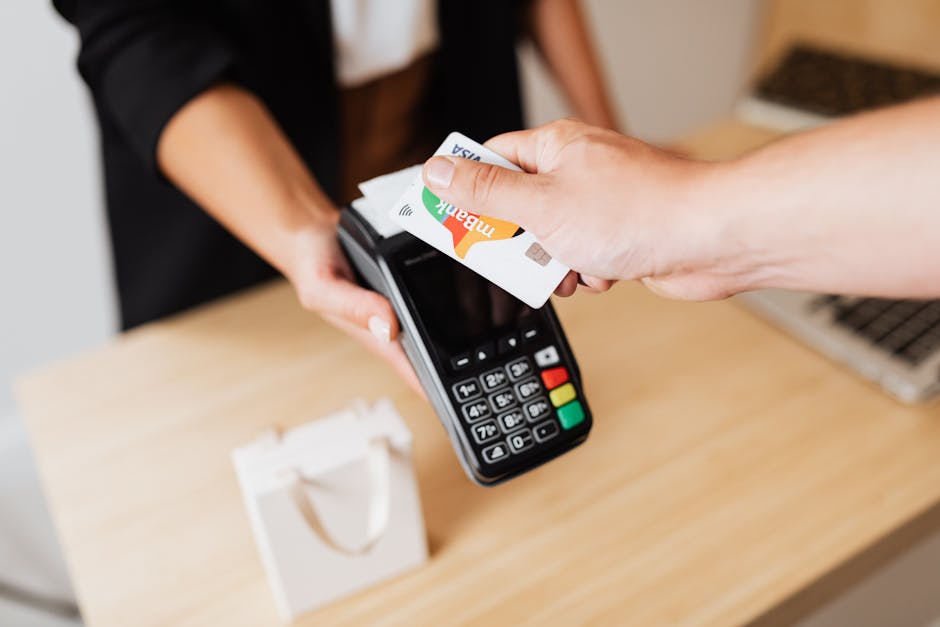
Take advantage of EMV chip technology and contactless payments, which provide enhanced security over traditional magnetic stripe transactions. The dynamic authentication makes card cloning significantly more difficult for fraudsters.
Regularly check your credit report for accounts you didn’t open. Free annual reports from major credit bureaus help you detect identity theft early. Many credit card issuers now include free credit monitoring as a cardholder benefit.
The Psychology of Credit Card Spending 💭
Research consistently shows people spend more when using credit cards versus cash. Understanding this psychological phenomenon helps you maintain spending discipline despite the convenience credit offers.
The “pain of paying” diminishes with credit cards because the transaction feels abstract compared to handing over physical currency. Combat this by checking your account balance before and after shopping trips, reinforcing the reality of your spending.
Credit cards can enable lifestyle inflation—gradually increasing spending as credit limits rise. Just because you can charge more doesn’t mean you should. Maintain the same spending discipline regardless of your available credit.
Rewards programs sometimes encourage unnecessary purchases. Buying items you don’t need just to earn points or cashback ultimately costs more than the rewards are worth. Let rewards enhance spending you’d already do, not drive additional consumption.
Credit Cards and Financial Independence
When used responsibly, credit cards become powerful tools on your journey toward financial freedom rather than obstacles keeping you in debt.
The float period—time between purchase and payment due date—provides short-term cash flow flexibility. You can keep money in savings accounts earning interest longer while still paying bills on time without interest charges.
Credit card rewards effectively provide a discount on all purchases. A consistent 2% cashback card returns $1,000 annually on $50,000 in spending—money that can accelerate debt repayment, boost emergency funds, or contribute to investments.
Strong credit built through responsible card use unlocks favorable terms on major loans. The difference between excellent and average credit can mean tens of thousands of dollars saved over a mortgage’s lifetime.
Many successful individuals leverage credit card points for luxury travel experiences they’d never pay cash for, creating memorable life experiences while maintaining financial discipline in everyday spending.
Future Trends in Credit Card Technology ✨
The credit card industry continues evolving with technological advancements that enhance security, convenience, and personalization.
Biometric authentication, including fingerprint and facial recognition, is becoming standard on premium cards and mobile payment platforms. These technologies provide security that’s difficult to replicate while streamlining the payment experience.
Artificial intelligence increasingly powers fraud detection systems that identify suspicious patterns in real-time, protecting cardholders before significant damage occurs. Machine learning algorithms understand your normal spending behavior and flag anomalies instantly.
Cryptocurrency rewards represent an emerging category, with some cards offering Bitcoin or other digital currencies as cashback alternatives. This trend may accelerate as cryptocurrency adoption grows in mainstream finance.
Sustainable and eco-friendly card materials are gaining traction among environmentally conscious consumers. Cards made from recycled ocean plastic, wood, or metal reduce environmental impact while maintaining functionality.
Enhanced personalization through data analytics allows issuers to offer customized rewards matching individual spending patterns rather than one-size-fits-all programs. Expect increasingly tailored card experiences in coming years.
Making Credit Cards Work for You
Credit cards represent neither inherent good nor evil—they’re financial tools whose value depends entirely on how you wield them. The same card that builds one person’s wealth through rewards and credit history plunges another into devastating debt.
The key differentiator is discipline paired with knowledge. Understanding how credit cards work, choosing products aligned with your needs, and maintaining rigorous payment habits transforms these plastic rectangles into wealth-building instruments rather than debt traps.
Start small if you’re new to credit. Build positive habits with a single card, paying in full monthly and tracking spending carefully. As confidence and credit history grow, strategically expand your portfolio to optimize rewards across spending categories.
Remember that the best credit card strategy is one you’ll actually maintain long-term. Complicated systems with multiple cards and rotating categories work wonderfully for enthusiasts but overwhelm casual users. Choose an approach matching your interest level and organizational capacity.
Ultimately, credit cards should enhance your financial life without dominating it. They’re means to ends—convenient payment tools and reward generators—not ends themselves. Keep them in proper perspective, use them wisely, and enjoy the benefits they provide while avoiding the pitfalls that ensnare the unprepared. Your financial future will thank you. 🌟
