
Anúncios
Measuring tools have gone digital, and tape measure apps are revolutionizing how we approach everyday tasks, from home improvement projects to professional construction work.

Gone are the days when you needed to carry a physical tape measure everywhere. Your smartphone now contains powerful measuring capabilities that can help you estimate distances, dimensions, and sizes with surprising accuracy. Whether you’re shopping for furniture, planning a renovation, or simply curious about the dimensions of something around you, these apps have become indispensable tools in our modern lives.
Anúncios
The technology behind these applications combines augmented reality, camera sensors, and sophisticated algorithms to transform your device into a versatile measuring instrument. Let’s explore everything you need to know about tape measure apps and how they can simplify your daily activities.
📱 What Exactly Is a Tape Measure App?
A tape measure app is a mobile application that uses your smartphone’s camera and sensors to measure real-world objects and distances. These digital tools leverage augmented reality (AR) technology and computer vision to calculate measurements without any physical contact with the object being measured.
Anúncios
The core functionality relies on your phone’s camera identifying reference points and calculating distances between them. More advanced versions use LiDAR sensors (available in newer smartphone models) to achieve even greater precision, making them suitable for professional applications beyond casual home use.
Most tape measure apps offer multiple measurement modes, including linear distance, area calculation, height measurement, and even angle detection. This versatility makes them far more functional than traditional measuring tools, which typically serve only one specific purpose.
🎯 Key Features That Make These Apps Invaluable
Modern tape measure applications come packed with features that extend far beyond basic length measurement. Understanding these capabilities helps you choose the right app for your specific needs.
Augmented Reality Visualization
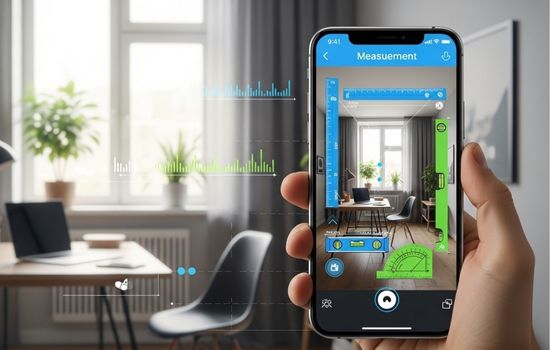
AR technology overlays digital measurement information directly onto your camera view. You can see measurements in real-time as you point your camera at objects, making it intuitive to understand dimensions without complex calculations. This visual approach reduces errors and speeds up the measuring process significantly.
Multiple Measurement Units
Quality apps support various measurement systems including imperial (inches, feet) and metric (centimeters, meters) units. Instant conversion between these systems eliminates the need for manual calculations, particularly useful for international projects or when working with imported materials that use different standards.
Photo Integration and History
Most apps allow you to save measurements along with photos for future reference. This documentation feature proves invaluable when shopping for furniture, planning renovations, or consulting with contractors. The measurement history keeps all your past measurements organized and easily accessible.
Area and Volume Calculation
Beyond linear measurements, advanced apps can calculate the area of surfaces and even estimate volumes of three-dimensional spaces. This functionality becomes essential when ordering flooring materials, calculating paint requirements, or determining storage capacity.
🏠 Practical Applications in Everyday Life
Tape measure apps have found their way into countless everyday situations, proving their value across various scenarios and user types.
Furniture Shopping Made Easier
Before purchasing that beautiful couch or dining table, you can quickly measure your available space and verify whether the furniture will fit. No more guessing or returning oversized items that don’t work in your home. Simply measure your room dimensions, compare them with product specifications, and make confident purchasing decisions.
Home Improvement Projects
DIY enthusiasts and homeowners find these apps incredibly useful for renovation planning. Whether you’re installing shelves, hanging artwork at the perfect height, or planning a complete room makeover, accurate measurements are your starting point. The apps help you estimate material quantities, reducing waste and unnecessary expenses.
Professional Construction and Design
Architects, interior designers, and construction professionals increasingly rely on tape measure apps for quick on-site measurements and preliminary assessments. While professional-grade measuring tools remain essential for final specifications, these apps excel at initial surveys, client consultations, and rapid dimension verification.
Real Estate and Property Management
Real estate agents use these apps during property viewings to provide instant room dimensions to potential buyers. Property managers find them useful for maintenance planning and space optimization. The ability to quickly document space measurements with photos creates comprehensive property records.
🔧 How to Use a Tape Measure App Effectively
Getting accurate measurements requires understanding some basic techniques and best practices that maximize the app’s potential.
Calibration Matters
Most apps require an initial calibration process where you help the app understand scale by measuring a known reference object. Taking time to properly calibrate improves overall accuracy. Some apps automatically calibrate using floor detection, but manual verification always helps.
Lighting Conditions
Good lighting dramatically affects measurement accuracy. Natural daylight or well-lit environments help the camera identify surfaces and edges more precisely. Avoid measuring in dim conditions or areas with extreme shadows that might confuse the sensor readings.
Steady Hands and Reference Surfaces
Keeping your device steady while measuring reduces errors caused by camera movement. Start measurements from clearly visible edges or corners. Flat, well-defined surfaces work best, while curved or irregular shapes may require multiple measurements and manual calculations.
Verify Critical Measurements
For important projects, always verify app measurements with a physical measuring tool. While tape measure apps offer impressive accuracy, they shouldn’t replace traditional tools for critical applications where precision is paramount. Use apps for quick estimates and convenience, but double-check when accuracy matters most.
📊 Accuracy Levels: What to Expect
Understanding the accuracy limitations of tape measure apps helps set realistic expectations and determine when they’re appropriate tools for your needs.
Standard smartphone-based measurement apps typically achieve accuracy within 1-3% for distances up to several meters. This means a 10-foot measurement might be off by 1-3 inches—acceptable for many casual applications but potentially problematic for precision work.
Devices equipped with LiDAR sensors (like newer iPhone Pro models and select Android flagships) offer significantly better accuracy, often within 1% or less. These sensors create detailed depth maps of environments, enabling measurements comparable to entry-level professional tools.
Several factors affect accuracy including device quality, sensor capabilities, lighting conditions, surface textures, and user technique. Flat, well-lit surfaces with clear edges provide the best results, while reflective, transparent, or irregularly shaped objects challenge even the most sophisticated apps.
💡 Tips for Choosing the Right Tape Measure App
With dozens of options available in app stores, selecting the right tape measure app depends on your specific needs and device capabilities.
Consider Your Primary Use Case
Casual users needing occasional measurements can opt for simple, free apps with basic features. Professionals requiring regular, accurate measurements should invest in premium apps offering advanced features, better accuracy, and comprehensive documentation tools.
Check Device Compatibility
Verify that apps leverage your device’s specific capabilities. If your phone has LiDAR sensors, choose apps designed to utilize this technology. Older devices may work better with apps optimized for standard camera-based measurements.
Read User Reviews Carefully
User feedback reveals real-world performance that marketing descriptions often overlook. Pay attention to comments about accuracy, ease of use, and whether the app delivers on its promises. Reviews from users with similar devices provide the most relevant insights.
Test Free Versions First
Many premium apps offer free versions or trial periods. Testing these before purchasing helps you evaluate whether the interface suits your workflow and whether accuracy meets your requirements. Compare several options to find your best match.
🚀 Advanced Features in Premium Apps
While basic tape measure apps cover fundamental needs, premium versions unlock additional capabilities that enhance productivity and expand use cases.
3D Room Scanning
Advanced apps can create complete 3D models of rooms and spaces, capturing all dimensions simultaneously. This comprehensive scanning enables virtual walkthroughs, detailed floor plans, and integration with design software for professional presentations.
Collaboration and Sharing
Professional-grade apps include cloud synchronization and sharing features, allowing teams to collaborate on projects. Measurements, photos, and notes sync across devices, ensuring everyone works with current information regardless of location.
Export and Integration Options
Premium apps often support exporting measurements in various formats compatible with CAD software, project management tools, and document creation platforms. This integration streamlines workflows from measurement through design and execution phases.
Specialized Measurement Modes
Some apps include specialized tools for specific industries—ceiling height measurement for real estate, cubic volume for moving companies, or angle measurement for carpentry. These niche features justify premium pricing for professionals who need them regularly.
🌟 The Future of Mobile Measurement Technology
The evolution of tape measure apps continues rapidly as smartphone hardware advances and software becomes more sophisticated.
Artificial intelligence integration promises to make measurements even more intuitive. Future apps may automatically recognize objects and suggest appropriate measurement approaches, reducing user error and speeding up the process. Machine learning could also improve accuracy by compensating for common measurement scenarios and conditions.
Expanded AR capabilities will blur the line between digital and physical spaces. Imagine placing virtual furniture in your room with perfect scale, or visualizing renovation changes before making any physical alterations. These augmented reality features will make tape measure apps essential design tools.
Improved sensor technology in smartphones will continue pushing accuracy boundaries. As LiDAR and similar technologies become standard across more device tiers, professional-grade measurements will become accessible to everyone, not just those with premium devices.
⚠️ Common Mistakes to Avoid
Even with user-friendly interfaces, certain pitfalls can lead to inaccurate measurements and frustration when using tape measure apps.
Rushing the measurement process tops the list of common errors. Taking time to properly position your device, ensure good lighting, and verify reference points dramatically improves results. Quick, careless measurements often require redoing, wasting more time than a careful approach from the start.
Ignoring calibration instructions or skipping the calibration step entirely guarantees poor accuracy. Every app uses calibration differently, so following specific instructions for your chosen application ensures the best performance.
Measuring reflective or transparent surfaces without adjustments challenges even sophisticated apps. Glass, mirrors, and shiny metal surfaces often require measuring adjacent reference points and manual calculation rather than direct measurement.
Over-relying on app measurements for critical applications where traditional tools would be more appropriate represents another frequent mistake. Use digital tools for their strengths—convenience, speed, and documentation—but recognize their limitations for precision work.
🛠️ Combining Digital and Traditional Tools
The smartest approach integrates tape measure apps with traditional measuring tools, leveraging the strengths of each.
Use apps for initial surveys, quick estimates, and situations where carrying physical tools proves impractical. Their documentation capabilities, instant unit conversion, and calculation features offer advantages that physical tape measures cannot match.
Reserve traditional measuring tools for final measurements, precision work, and situations where even small errors could prove costly. Physical tape measures, laser distance meters, and professional surveying equipment still excel where absolute accuracy matters most.
This hybrid approach maximizes efficiency while maintaining accuracy standards. Apps handle preliminary work and documentation, while traditional tools verify critical dimensions before final decisions or purchases.
💰 Cost Considerations and Value
Tape measure apps range from completely free to premium subscriptions costing upward of several dollars monthly or significant one-time purchases.
Free apps typically include advertisements and limit advanced features. For occasional personal use, these free versions often provide sufficient functionality without investment. The trade-off between ads and capabilities varies significantly between apps.
One-time purchase apps eliminate ongoing costs and advertisements while unlocking full feature sets. This model works well for users who need reliable access without recurring charges. Prices typically range from a few dollars to twenty or more for professional-grade options.
Subscription models make sense for professionals using apps regularly and requiring continuous updates, cloud storage, and premium support. Monthly or annual fees might seem expensive initially, but they ensure access to the latest features and improvements.
Consider the cost against alternatives—even a basic physical measuring tool costs money, while a smartphone you already own transforms into multiple measuring instruments through apps. The value proposition becomes clear when considering versatility and convenience.
🎓 Learning Resources and Community Support
Maximizing your tape measure app’s potential often requires learning beyond basic instructions, and numerous resources can help.
Most quality apps include built-in tutorials that walk you through features and techniques. Investing time in these tutorials pays dividends through improved accuracy and efficiency. Video tutorials often accompany apps, demonstrating proper technique more clearly than text alone.
Online communities, forums, and social media groups dedicated to specific apps or general mobile measurement technology provide valuable tips, troubleshooting help, and creative use cases. Learning from experienced users accelerates your learning curve.
YouTube channels focused on DIY projects, home improvement, and professional construction increasingly feature tape measure app tutorials and reviews. These third-party resources offer unbiased perspectives and practical demonstrations across various real-world scenarios.
🌍 Environmental and Practical Benefits
Beyond convenience, tape measure apps contribute to sustainability and efficiency in subtle but meaningful ways.
Reducing material waste through accurate pre-purchase measurements prevents unnecessary consumption. When you know exactly what fits and what doesn’t, you avoid buying and returning items, reducing transportation emissions and packaging waste associated with returns.
Digital documentation eliminates paper notes that get lost or damaged. Measurements stored in apps remain accessible indefinitely, reducing the need to re-measure and visit sites multiple times. This efficiency saves time, fuel, and resources.
Carrying one device instead of multiple measuring tools reduces the physical burden and clutter in your life. The minimalist approach that smartphones enable extends to measurement tools, contributing to simpler, more organized workflows.
✨ Making the Most of Your Measurement App
Success with tape measure apps comes from understanding their capabilities, practicing proper technique, and integrating them thoughtfully into your workflow.
Regular practice improves your measurement speed and accuracy. Like any skill, proficiency develops through repeated use across various scenarios. Challenge yourself to measure familiar objects and compare results with known dimensions to build confidence.
Explore all features your chosen app offers, not just basic length measurement. Area calculation, photo integration, and sharing capabilities often go underutilized despite adding significant value. Discovering these features transforms a simple measuring tool into a comprehensive project management resource.
Stay updated with app improvements and new releases. Developer updates frequently add features, improve accuracy algorithms, and enhance user interfaces. Enabling automatic updates ensures you always have the latest capabilities at your fingertips.
Tape measure apps represent remarkable examples of how smartphones extend beyond communication devices to become practical tools that solve real problems. Whether you’re a homeowner, professional tradesperson, or simply someone who occasionally needs to measure something, these applications offer convenience and capability that complement or even replace traditional measuring tools in many situations. By understanding their strengths and limitations, you can make these digital tools work effectively for your specific needs, saving time, reducing errors, and approaching measurement tasks with newfound confidence.
