
Anúncios
Discovering you might be pregnant is one of life’s most emotional and transformative moments, and today’s technology offers innovative apps to help you navigate this journey with confidence and clarity.
The moment you suspect you might be expecting can bring a whirlwind of emotions—excitement, anxiety, hope, and uncertainty all rolled into one. Whether you’ve been trying to conceive for months or the possibility caught you completely off guard, having reliable tools at your fingertips can make all the difference. Pregnancy discovery apps have emerged as valuable companions during this sensitive time, offering symptom trackers, fertility calendars, and educational resources right on your smartphone.
Anúncios
These digital solutions aren’t meant to replace medical consultations or professional pregnancy tests, but they serve as excellent preliminary tools to help you understand what’s happening with your body. From tracking your menstrual cycle to identifying early pregnancy symptoms, these apps provide personalized insights that empower women to take control of their reproductive health journey. Let’s explore how pregnancy discovery apps work, what features to look for, and how they can support you during this potentially life-changing moment.
📱 What Are Pregnancy Discovery Apps and How Do They Work?
Pregnancy discovery apps are specialized mobile applications designed to help women identify potential pregnancy through symptom tracking, cycle monitoring, and predictive algorithms. These apps use data you provide about your menstrual cycle, physical symptoms, and lifestyle factors to assess the likelihood of pregnancy.
Anúncios
Most apps operate by comparing your reported symptoms against a database of common early pregnancy indicators. When you input information like missed periods, breast tenderness, fatigue, nausea, or mood changes, the app analyzes these patterns and provides feedback on whether pregnancy is possible. Some advanced applications incorporate fertility window calculations, ovulation tracking, and even basal body temperature monitoring to increase accuracy.
The technology behind these apps combines medical knowledge with machine learning algorithms. As more users input their data, the apps become increasingly sophisticated at recognizing patterns and providing personalized recommendations. However, it’s crucial to understand that these apps offer probability assessments rather than definitive diagnoses—only medical-grade pregnancy tests and healthcare provider consultations can confirm pregnancy with certainty.
🌟 Key Features That Make These Apps Valuable
The best pregnancy discovery apps offer comprehensive features that go beyond simple symptom checkers. Understanding what to look for can help you choose an application that truly meets your needs during this important time.
Symptom Tracking and Analysis
Detailed symptom trackers allow you to log physical and emotional changes daily. The app compares your symptoms with established pregnancy indicators, providing insights into whether what you’re experiencing aligns with early pregnancy signs. This feature helps you distinguish between typical premenstrual symptoms and potential pregnancy indicators.
Menstrual Cycle Calendar
A comprehensive cycle calendar helps predict your most fertile days and expected period dates. By tracking cycle length and regularity over time, the app can alert you when your period is late—often the first sign of pregnancy. Some apps also integrate ovulation prediction, which is particularly valuable for those actively trying to conceive.
Educational Content and Resources
Quality apps provide evidence-based information about conception, early pregnancy development, and reproductive health. This educational component helps you understand what’s happening in your body and what to expect in the coming weeks, whether you’re hoping for a positive result or not.
Privacy and Data Security
Given the sensitive nature of reproductive health information, reputable apps prioritize user privacy with encrypted data storage and transparent privacy policies. Look for applications that clearly explain how they protect your personal health information.

🤰 Common Early Pregnancy Signs These Apps Help Identify
Understanding early pregnancy symptoms can help you use these apps more effectively. While every woman’s experience is unique, certain signs commonly appear in early pregnancy and can be tracked through these applications.
Missed Period: The most obvious and often first recognized sign. Pregnancy discovery apps remind you when your period is due and prompt you to log whether it arrives on schedule.
Breast Changes: Tenderness, swelling, or tingling in the breasts can occur as early as one to two weeks after conception. Apps let you track the intensity and duration of these symptoms.
Fatigue: Overwhelming tiredness is common in early pregnancy due to rising progesterone levels. Logging your energy levels helps the app recognize patterns that might indicate pregnancy.
Nausea and Morning Sickness: Despite its name, morning sickness can occur at any time of day. Tracking when nausea occurs and its severity provides valuable data for pregnancy assessment.
Frequent Urination: Increased bathroom trips can begin as early as six weeks into pregnancy. This symptom, when combined with others, strengthens the likelihood assessment.
Mood Changes: Hormonal fluctuations can cause emotional sensitivity and mood swings. Apps with mood tracking features help identify whether these changes align with pregnancy patterns.
Light Spotting: Implantation bleeding may occur when the fertilized egg attaches to the uterine lining, typically 10-14 days after conception. Tracking spotting patterns helps distinguish this from regular menstruation.
🎯 Who Benefits Most From Pregnancy Discovery Apps?
While anyone suspecting pregnancy can benefit from these tools, certain groups find them particularly valuable in their reproductive health journey.
Women Actively Trying to Conceive
For those planning pregnancy, these apps serve as comprehensive fertility companions. They identify optimal conception windows, track ovulation signs, and help recognize early pregnancy indicators. The combination of fertility tracking and symptom monitoring creates a complete picture of reproductive health.
Those with Irregular Menstrual Cycles
Women with unpredictable cycles benefit significantly from apps that establish patterns over time. When your period doesn’t arrive like clockwork, having data-driven insights helps determine whether a missed period indicates pregnancy or simply reflects your body’s natural variability.
First-Time Pregnancy Suspects
If you’ve never been pregnant before, recognizing early signs can be challenging. Educational features within these apps help you understand what’s normal versus what might indicate pregnancy, reducing anxiety and providing clarity during an uncertain time.
Health-Conscious Individuals
People who already track various health metrics appreciate the comprehensive approach these apps offer. Integrating reproductive health monitoring with overall wellness tracking creates a holistic view of your body’s patterns and changes.
✨ Maximizing Accuracy When Using Pregnancy Apps
While pregnancy discovery apps are helpful tools, their effectiveness depends largely on how you use them. Following these best practices increases the reliability of the insights you receive.
Consistent Data Entry: Log your symptoms, cycle information, and physical changes daily. The more comprehensive your data, the more accurate the app’s assessments become. Set daily reminders to maintain consistency.
Honest Symptom Reporting: Resist the temptation to overreport symptoms if you’re hoping for pregnancy or underreport if you’re not. Accurate data entry ensures the app provides realistic probability assessments rather than false hope or unnecessary worry.
Track for Several Cycles: Apps become more accurate as they learn your body’s unique patterns. If possible, use the app for at least two to three menstrual cycles before relying heavily on its pregnancy predictions.
Combine with Other Methods: Use apps alongside other tracking methods like basal body temperature monitoring or ovulation predictor kits. Multiple data points create a more complete picture of your fertility and potential pregnancy status.
Update Regularly: Ensure your app is updated to the latest version. Developers continuously improve algorithms and add features based on user feedback and new medical research.
🏥 When to Take a Pregnancy Test and See a Doctor
Pregnancy discovery apps provide valuable preliminary information, but they cannot replace medical confirmation. Understanding when to take additional steps is crucial for your health and peace of mind.
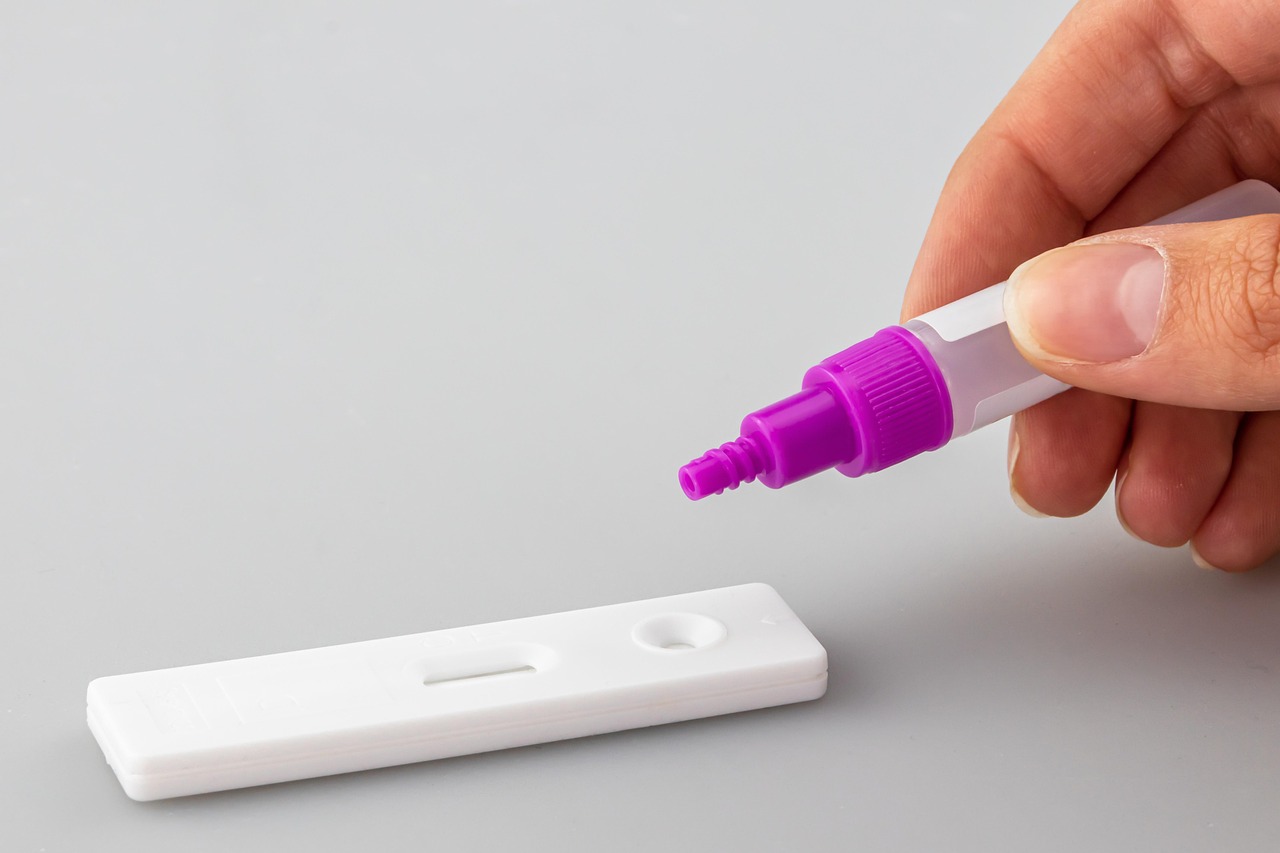
Most home pregnancy tests are most accurate when taken after a missed period, typically about two weeks after conception. Testing too early may result in false negatives because hormone levels haven’t risen high enough to detect. If your app suggests pregnancy is likely based on your symptoms, wait until at least the first day of your expected period for the most reliable results.
Digital and traditional home pregnancy tests detect human chorionic gonadotropin (hCG) in your urine. This hormone appears shortly after the embryo attaches to the uterine lining. First-morning urine typically contains the highest concentration of hCG, making it the ideal time to test.
If you receive a positive home test result, schedule an appointment with your healthcare provider. They can confirm pregnancy through blood tests, which detect lower levels of hCG than urine tests and provide more precise information about how far along you might be. Early prenatal care is essential for a healthy pregnancy, regardless of whether the pregnancy was planned.
Even if your app indicates high pregnancy likelihood but home tests remain negative, consult a doctor if your period doesn’t arrive or if you experience unusual symptoms. Some medical conditions can mimic pregnancy signs, and professional evaluation ensures you receive appropriate care.
💡 Understanding App Limitations and Setting Realistic Expectations
While pregnancy discovery apps offer tremendous value, recognizing their limitations helps you use them wisely and avoid potential disappointment or false reassurance.
These applications rely on self-reported data, which introduces the possibility of human error. Forgetting to log symptoms, misinterpreting physical sensations, or inconsistent tracking can all affect accuracy. The algorithms, however sophisticated, cannot account for every individual variation in how pregnancy manifests.
Many pregnancy symptoms overlap significantly with premenstrual syndrome (PMS). Fatigue, mood changes, breast tenderness, and mild cramping occur in both conditions, making it difficult even for advanced apps to distinguish between them with certainty. The apps calculate probabilities rather than provide definitive answers.
Additionally, medical conditions like thyroid disorders, polycystic ovary syndrome (PCOS), or certain medications can cause symptoms that mimic pregnancy. Apps cannot diagnose these conditions or determine if your symptoms have a different underlying cause.
Some women experience what’s called a chemical pregnancy—a very early miscarriage that occurs shortly after implantation. An app might suggest pregnancy based on symptoms, but the pregnancy doesn’t progress, and your period arrives only slightly later than expected. This emotional rollercoaster underscores why medical confirmation remains essential.
🌈 Emotional Support and Community Features
Beyond technical tracking capabilities, many pregnancy discovery apps recognize the emotional journey of wondering if you’re pregnant. The best applications incorporate features that support your mental and emotional wellbeing during this uncertain time.
Community forums and discussion boards connect you with others experiencing similar situations. Whether you’re hoping for a positive result or processing unexpected news, sharing experiences with people who understand can reduce feelings of isolation. These communities often become sources of practical advice, emotional support, and lasting friendships.
Some apps include mood tracking specifically designed to acknowledge the emotional ups and downs of the two-week wait between ovulation and expected period. Recognizing that anxiety, hope, fear, and excitement are all normal responses validates your feelings and reminds you that you’re not alone in this experience.
Journaling features allow you to document your thoughts and feelings throughout the process. Whether you’re recording hopes for the future or working through complicated emotions, having a private space to express yourself can be therapeutic. If you do become pregnant, these journal entries become precious memories of the earliest days of your journey.
🔒 Privacy Considerations When Using Reproductive Health Apps
Given the deeply personal nature of reproductive health data, privacy should be a top priority when selecting a pregnancy discovery app. Understanding how your information is collected, stored, and potentially shared protects your sensitive data.
Before downloading any app, carefully review its privacy policy. Look for clear statements about data encryption, who has access to your information, and whether data is sold to third parties. Reputable apps prioritize user privacy and transparently explain their data practices.
Be cautious about apps that request excessive permissions unrelated to their core function. For example, a pregnancy app shouldn’t need access to your contacts, camera, or microphone unless these features are clearly integrated into legitimate app functions.
Consider whether the app allows you to create accounts using methods that don’t reveal your identity, such as usernames rather than full names. Some users prefer additional privacy layers, especially if they’re not yet ready to share potential pregnancy news with anyone.
If you decide to stop using an app, investigate whether you can request complete data deletion. Data protection regulations in many regions require companies to delete user information upon request, but you may need to actively initiate this process.
🌍 Cultural Perspectives on Pregnancy Discovery
The experience of discovering pregnancy carries different meanings across cultures and personal circumstances. Pregnancy discovery apps serve diverse populations with varying needs, beliefs, and expectations around conception and family planning.
In some cultures, pregnancy is immediately celebrated and shared with extended family and community. In others, couples may wait until after the first trimester to announce, respecting traditions about early pregnancy being a delicate time. Apps that respect privacy and allow customizable sharing options accommodate these different cultural approaches.
For individuals or couples facing fertility challenges, these apps represent hope and active participation in their conception journey. Each cycle tracked, each symptom logged feels like a step toward their goal. The apps become companions through disappointment when periods arrive and partners in cautious optimism when symptoms suggest pregnancy might have occurred.
Conversely, for those facing unplanned pregnancy, these apps can help process complex emotions and provide factual information during a confusing time. Access to accurate, judgment-free information empowers individuals to make informed decisions about their reproductive health and future.
📊 Comparing Pregnancy Discovery Apps: What to Look For
With numerous pregnancy discovery apps available, choosing the right one can feel overwhelming. Evaluating apps based on specific criteria helps you find the best fit for your needs.
User Interface: The app should be intuitive and easy to navigate, even when you’re feeling anxious or distracted. Clean design, clear instructions, and logical organization make daily tracking feel manageable rather than burdensome.
Scientific Foundation: Look for apps developed with input from medical professionals or based on established fertility science. Apps that cite sources and explain their methodologies inspire greater confidence in their assessments.
Customization Options: Everyone’s cycle and symptoms are unique. Apps that allow you to customize which symptoms to track, adjust cycle length calculations, and personalize notifications adapt to your individual needs.
Additional Resources: Beyond basic tracking, does the app offer educational articles, expert Q&A, or connections to healthcare providers? Comprehensive resources add value and support your broader reproductive health journey.
Reviews and Ratings: Reading experiences from other users provides insight into real-world app performance, accuracy, and customer support quality. Look for patterns in feedback rather than focusing on individual extreme reviews.
Cost Structure: Many apps offer free basic versions with premium upgrades. Evaluate whether the free version meets your needs or if premium features justify the subscription cost. Some apps offer free trials of premium features, allowing you to test before committing.
🚀 The Future of Pregnancy Discovery Technology
As technology advances, pregnancy discovery apps continue evolving with increasingly sophisticated features and improved accuracy. Understanding emerging trends helps you anticipate what future versions might offer.
Artificial intelligence and machine learning are becoming more integrated into these applications. As databases grow with millions of users’ experiences, algorithms can identify increasingly subtle patterns and provide more personalized predictions based on how your specific symptom combination has correlated with confirmed pregnancies in similar users.
Wearable technology integration represents another frontier. Devices that continuously monitor heart rate, body temperature, and sleep patterns can automatically feed data into pregnancy apps, eliminating the need for manual entry and capturing physiological changes you might not consciously notice.
Some companies are exploring at-home hormone testing that connects directly to smartphone apps. These tests would measure actual hCG or other hormones and display results within the app, bridging the gap between traditional pregnancy tests and digital tracking.
Telemedicine integration is expanding, with some apps offering direct consultations with healthcare providers. This feature allows you to discuss app findings with medical professionals, receive personalized advice, and obtain prescriptions if needed—all without leaving your home.
💭 Personal Stories: How Apps Supported Real Women
While data and features matter, understanding how these apps impact real lives provides the most compelling perspective on their value. Many women credit pregnancy discovery apps with providing clarity, support, and empowerment during their conception journeys.
For women trying to conceive after months of disappointment, these apps helped identify optimal timing and recognize early pregnancy signs they might have otherwise missed. The detailed tracking revealed patterns their doctors used to provide more targeted fertility advice, ultimately helping them achieve their dreams of parenthood.
Others discovered unexpected pregnancies through apps they were using primarily for cycle tracking. The symptom checkers prompted them to take pregnancy tests earlier than they otherwise would have, allowing for earlier prenatal care and healthier pregnancy outcomes.
Women with irregular cycles found these apps particularly transformative. After years of uncertainty about their bodies’ patterns, consistent tracking revealed their unique rhythms, making it easier to distinguish normal variation from potential pregnancy.
The community features within these apps created connections that extended far beyond the digital space. Women formed support networks, shared advice, celebrated positive tests together, and comforted each other through disappointments and losses.
🎓 Educational Value Beyond Pregnancy Detection
Even if you’re not currently trying to conceive, pregnancy discovery apps offer valuable education about reproductive health that serves you throughout your fertile years and beyond.
Understanding your menstrual cycle empowers you in numerous aspects of life. Recognizing how hormonal fluctuations affect your energy, mood, and physical symptoms helps you plan important events, manage health conditions, and communicate more effectively with healthcare providers about concerns.
For younger women or those newly starting their reproductive health journey, these apps demystify fertility and conception. Clear, accurate information replaces myths and misunderstandings, creating a foundation of knowledge that informs future family planning decisions.
The symptom tracking features help you establish what’s normal for your body, making it easier to recognize when something is abnormal and requires medical attention. This baseline awareness supports overall health monitoring beyond just pregnancy detection.
Many apps include information about contraception, sexual health, and reproductive conditions. This comprehensive approach to reproductive education creates informed individuals who can make empowered decisions about their bodies and futures.
✅ Taking the First Step: Getting Started With a Pregnancy Discovery App
If you’re ready to begin using a pregnancy discovery app, taking those first steps thoughtfully sets you up for the best possible experience and most accurate results.
Start by downloading a reputable app that aligns with your needs and values. Take time to explore all available features and customize settings to match your cycle length, symptoms you want to track, and notification preferences. Most apps include tutorials or guides that walk you through initial setup.
Begin tracking immediately, even if you’re mid-cycle. The more data you provide, the more accurate the app becomes over time. Don’t worry if you don’t have complete information about previous cycles—start where you are and build from there.
Set daily reminders to log symptoms and updates. Consistency is key to accuracy, and reminders help tracking become a habit rather than something you remember sporadically. Choose a time that works with your routine, whether that’s first thing in the morning or before bed.
Remember that these apps are tools to support your reproductive health journey, not replacements for medical care. Use the insights they provide to inform conversations with healthcare providers and guide decisions about when to take pregnancy tests or seek professional evaluation.
Most importantly, approach the process with patience and self-compassion. Whether you’re hoping for pregnancy or monitoring your cycle for other reasons, your reproductive health journey is uniquely yours. These apps exist to support, inform, and empower you along the way.
Discovering pregnancy marks the beginning of an incredible journey, and having reliable technology to support you from the very start makes all the difference. Pregnancy discovery apps combine scientific knowledge, technological innovation, and compassionate design to help you navigate this important moment with confidence. Whether you’re actively trying to conceive, suspect an unexpected pregnancy, or simply want to understand your body better, these applications offer valuable tools and support. Download one today and take an empowered step forward in your reproductive health journey. 🌟
