
Anúncios
Remote control apps have transformed how we interact with our devices, turning smartphones into universal controllers for TVs, air conditioners, and smart home gadgets.

In today’s connected world, losing your physical remote control no longer means losing access to your entertainment system. The rise of smartphone technology has given birth to a new generation of remote control applications that offer convenience, versatility, and powerful features beyond what traditional remotes could ever provide.
Anúncios
These applications leverage infrared technology, Wi-Fi connectivity, and Bluetooth capabilities to communicate with various devices around your home. Whether you’re looking to control your smart TV, streaming devices, sound systems, or even your home lighting, there’s likely a remote control app designed specifically for your needs.
📱 What Makes Remote Control Apps Essential in Modern Homes
The evolution of home entertainment and smart home technology has created an ecosystem where multiple devices need to work together seamlessly. Remote control apps serve as the central hub for managing this complex network of gadgets and appliances.
Anúncios
Traditional physical remotes come with limitations. They require batteries, can easily get lost between couch cushions, and often need line-of-sight to function properly. Remote control apps eliminate these frustrations while adding layers of functionality that physical remotes simply cannot match.
Modern remote control applications can memorize your favorite channels, create custom macros for one-touch operations, and even learn your viewing habits to suggest content. They transform your smartphone into an intelligent command center that adapts to your lifestyle rather than forcing you to adapt to rigid button configurations.
🔧 How Remote Control Apps Actually Work
Understanding the technology behind remote control apps helps you choose the right solution for your specific needs. These applications typically use one of three main technologies to communicate with your devices.
Infrared Technology (IR)
Many smartphones come equipped with infrared blasters, small components that emit the same type of invisible light signals used by traditional remotes. Remote control apps leverage this hardware to replicate the functions of physical remotes with remarkable accuracy.
The app contains extensive databases of infrared codes for thousands of device models from various manufacturers. When you select your device brand and model, the app downloads the corresponding command codes and transmits them through your phone’s IR blaster.
Wi-Fi Connectivity
Smart TVs and modern streaming devices often connect to your home Wi-Fi network. Remote control apps can communicate with these devices over the same network, sending commands through internet protocols rather than infrared signals.
This method offers several advantages, including the ability to control devices from anywhere in your home without needing line-of-sight. You can even control compatible devices remotely when you’re away from home, provided both your phone and the device have internet access.
Bluetooth Integration
Some devices, particularly gaming consoles and certain smart home products, use Bluetooth for control interfaces. Remote control apps with Bluetooth support can pair directly with these devices, offering low-latency control and reliable connectivity within reasonable range.
🎯 Key Features That Define Quality Remote Control Apps
Not all remote control applications are created equal. The best ones distinguish themselves through specific features that enhance user experience and expand functionality beyond basic channel changing.
- Universal compatibility: Support for multiple device types and brands within a single interface
- Customizable layouts: Ability to personalize button arrangements and create custom controls
- Voice control integration: Hands-free operation through voice commands
- Macro programming: Create sequences of commands executed with a single tap
- Widget support: Quick access to controls from your home screen
- Smart suggestions: AI-powered recommendations based on usage patterns
- Multi-room control: Manage devices across different rooms from one app
- Keyboard functionality: Text input for smart TV searches and apps

💡 Choosing the Right Remote Control App for Your Devices
The marketplace offers dozens of remote control applications, each with different strengths and specializations. Selecting the right one depends on several factors related to your specific setup and preferences.
Start by identifying what devices you need to control. If you primarily use a smart TV from a specific manufacturer, look for apps optimized for that brand. Many TV manufacturers offer dedicated remote apps that unlock exclusive features not available through universal remote solutions.
For households with mixed ecosystems containing devices from multiple brands, universal remote control apps provide the most practical solution. These applications maintain extensive device databases and receive regular updates to support new models as they enter the market.
Compatibility Considerations
Before downloading any remote control app, verify that your smartphone has the necessary hardware. Check whether your phone includes an IR blaster if you need infrared control. Not all modern smartphones include this feature, particularly in the premium flagship segment where manufacturers have removed it to reduce device thickness.
For Wi-Fi-based control, ensure your devices and smartphone connect to the same network. Some apps require specific network configurations or may not work properly with certain router settings, particularly those with strict security protocols or isolated guest networks.
🏠 Integrating Remote Control Apps into Your Smart Home Ecosystem
Remote control apps shine brightest when integrated into broader smart home systems. They can serve as the interface layer that brings together disparate devices under unified control.
Many modern remote control applications now offer compatibility with popular smart home platforms like Google Home, Amazon Alexa, and Apple HomeKit. This integration enables scenarios where voice assistants can trigger commands through the remote control app, creating seamless automation.
For example, you might create a “movie night” routine that dims your smart lights, closes motorized blinds, powers on your TV and sound system, and launches your preferred streaming service—all initiated through a single voice command or app tap.
⚡ Advanced Capabilities That Power Users Should Know
Beyond basic remote functions, sophisticated remote control apps offer advanced features that appeal to tech enthusiasts and those seeking maximum control over their home entertainment systems.
Macro Creation and Automation
Macros allow you to program complex sequences of commands that execute automatically. You might create a macro that switches your TV to the correct HDMI input, powers on your gaming console, and sets your soundbar to game mode—all with a single button press.
The best remote control apps provide intuitive macro editors where you can add delays between commands, ensuring each device has time to respond before the next command is sent. This prevents the common issue where commands arrive too quickly and get missed by slower devices.
Learning Remote Functions
Some advanced remote control apps include learning capabilities, allowing them to capture and replicate commands from physical remotes. This feature proves invaluable when controlling older or obscure devices not included in the app’s pre-loaded database.
The learning process typically involves pointing your physical remote at your phone’s IR sensor while the app records the signal. You can then assign this learned command to any button within the app interface, creating a truly customized control experience.
🔐 Security and Privacy Considerations
When granting an app control over your home devices, security becomes paramount. Remote control apps often require extensive permissions to access your network, sensors, and device information.
Choose applications from reputable developers with transparent privacy policies. Read user reviews specifically mentioning security concerns, and research whether the app has experienced any data breaches or privacy scandals.
For Wi-Fi-based remote control, ensure your home network uses strong encryption (WPA2 or WPA3) and a secure password. Consider creating a separate network specifically for smart home devices if your router supports this feature, isolating them from computers and phones containing sensitive personal information.
📊 Comparing Remote Control Options: Apps vs. Physical Remotes
While remote control apps offer numerous advantages, understanding how they compare to traditional physical remotes helps you make informed decisions about which solution works best for your situation.
| Feature | Remote Control Apps | Physical Remotes |
|---|---|---|
| Cost | Free or low one-time cost | Often expensive to replace |
| Portability | Always with your phone | Easy to misplace |
| Battery life | Uses phone battery | Dedicated batteries |
| Range | Wi-Fi: unlimited; IR: requires line-of-sight | Limited by IR range |
| Customization | Highly customizable | Fixed button layout |
| Learning curve | Requires initial setup | Immediately familiar |
| Multi-device control | Unlimited devices in one app | One remote per device |
🌟 Maximizing Your Remote Control App Experience
Getting the most from your remote control app requires more than just installation. Implementing these strategies will enhance functionality and create a more satisfying user experience.
Take time to explore all available settings and customization options. Most apps allow you to reorganize buttons, change color schemes, and adjust sensitivity settings. Personalizing the interface to match your usage patterns reduces friction and makes controlling your devices feel natural.
Regularly update your remote control app to benefit from bug fixes, security patches, and newly added device support. Enable automatic updates if you trust the developer, or manually check for updates monthly to stay current without sacrificing control over what installs on your device.
Creating Room-Specific Profiles
If you have devices in multiple rooms, create separate profiles or configurations for each space. This organization prevents confusion when controlling devices and makes it easier to find the right controls quickly.
Room-specific profiles also enable more sophisticated automation. You might configure your living room profile to control the main entertainment system, while your bedroom profile manages a smaller TV and reading lights with entirely different macro sequences.
🚀 The Future of Remote Control Technology
Remote control apps continue evolving as new technologies emerge and consumer expectations shift. Understanding where this technology is headed helps you prepare for the next generation of home control solutions.
Artificial intelligence and machine learning are increasingly integrated into remote control apps, enabling them to predict what you want to do based on time of day, viewing history, and patterns. Future apps might automatically prepare your entertainment system when you arrive home or suggest content based on who’s in the room.
Gesture control represents another frontier, with some experimental apps already using your phone’s cameras and motion sensors to translate hand gestures into device commands. This touchless control method offers intuitive operation and works well for users with limited mobility or situations where touching your phone is inconvenient.
🎬 Troubleshooting Common Remote Control App Issues
Even the best remote control apps occasionally experience problems. Knowing how to diagnose and resolve common issues saves frustration and keeps your system running smoothly.
Connection Problems
If your app can’t find or connect to devices, start by verifying that both your phone and the device are on the same Wi-Fi network. Check that airplane mode is disabled and that the device you’re trying to control is powered on and connected to the network.
For IR-based control, ensure nothing blocks your phone’s IR blaster and that you’re pointing it toward the device’s sensor. Clean your phone’s IR blaster gently with a soft cloth to remove any dust or debris that might interfere with signal transmission.
Delayed or Unresponsive Commands
Lag between pressing a button and seeing the device respond often indicates network congestion or distance from your Wi-Fi router. Move closer to the router or consider upgrading to a mesh network system that provides stronger coverage throughout your home.
Closing background apps on your phone can also improve responsiveness by freeing up processing power and memory. If problems persist, try restarting both your phone and the device you’re controlling to clear any temporary software glitches.
✨ Making the Most of Your Digital Remote Experience
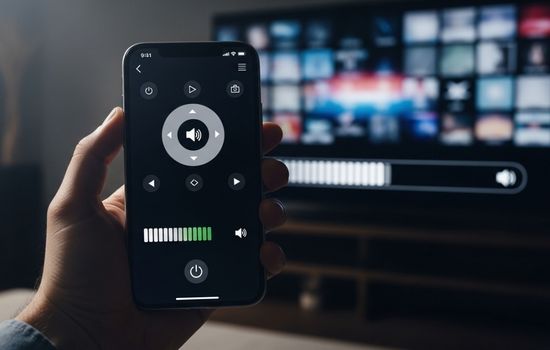
Remote control apps represent more than simple replacements for lost remotes—they offer a glimpse into the future of home automation and device interaction. By consolidating control of multiple devices into a single, always-available interface, these apps simplify technology and make it more accessible.
The key to success lies in choosing an app that matches your specific needs, taking time to configure it properly, and exploring the advanced features that transform it from a basic controller into a powerful home automation tool. Whether you’re controlling a single TV or orchestrating an entire smart home ecosystem, the right remote control app enhances your daily life with convenience, efficiency, and a touch of technological magic.
As these applications continue to evolve and incorporate new capabilities, they’ll become even more integral to how we interact with the technology around us. Embracing remote control apps today positions you to take full advantage of the connected home innovations arriving tomorrow. 📲
