
Anúncios
GPS apps have revolutionized how we navigate, commute, and explore the world around us, transforming smartphones into powerful travel companions.

Gone are the days when paper maps and asking strangers for directions were our only options. Today’s navigation technology offers real-time traffic updates, turn-by-turn voice guidance, and intelligent route planning that adapts to current road conditions. Whether you’re commuting to work, planning a road trip, or exploring a new city, having a reliable GPS application on your smartphone has become essential.
Anúncios
The evolution of these digital navigation tools has been remarkable. Modern GPS apps don’t just show you the fastest route—they provide comprehensive information about traffic jams, accidents, speed cameras, gas prices, parking availability, and even suggest alternative routes based on current conditions. This transformation has made traveling more efficient, less stressful, and surprisingly enjoyable for millions of users worldwide.
🌍 How GPS Navigation Apps Actually Work
Understanding the technology behind GPS applications helps appreciate their remarkable capabilities. These apps rely on a network of satellites orbiting Earth, constantly transmitting signals that your smartphone receives and processes. By calculating the time it takes for signals to reach your device from multiple satellites, the app can pinpoint your exact location with impressive accuracy.
Anúncios
But location tracking is just the beginning. Modern navigation apps combine GPS data with additional information sources including cellular towers, Wi-Fi networks, and even Bluetooth beacons to enhance positioning accuracy, especially in urban environments where tall buildings might interfere with satellite signals. This multi-layered approach ensures you receive reliable guidance regardless of your environment.
The real magic happens when these apps integrate real-time data from millions of other users. Crowdsourced information about traffic conditions, road hazards, police presence, and construction zones creates a dynamic map that updates constantly. This collective intelligence makes navigation apps smarter with every journey taken by their user community.
📱 Essential Features That Define Great Navigation Apps
Not all GPS applications are created equal. The best navigation tools offer a comprehensive suite of features designed to make your journey smoother and more enjoyable. Understanding these capabilities helps you choose the right app for your specific needs.
Real-Time Traffic Intelligence
The most valuable feature of any modern navigation app is its ability to analyze current traffic conditions and adjust your route accordingly. Advanced algorithms process data from millions of users simultaneously, identifying slowdowns, accidents, and congestion patterns. When a traffic jam develops on your planned route, the app automatically calculates alternative paths that could save you precious time.
Some applications go beyond simple rerouting. They learn traffic patterns based on time of day, day of the week, and even special events. This predictive capability means your GPS can warn you about typical rush hour delays before you even start your journey, allowing you to plan departures strategically.
Voice-Guided Turn-by-Turn Directions
Clear, timely voice instructions are fundamental to safe navigation. Quality GPS apps provide spoken directions at appropriate moments, telling you exactly which lane to use, when to prepare for upcoming turns, and what to expect at complex intersections. The best apps allow you to customize voice volume, choose different voice options, and even adjust how much detail you receive.
Advanced systems now include visual lane guidance, showing which lanes lead to your desired exit or turn. This feature proves especially valuable on multi-lane highways where making last-minute lane changes can be dangerous.
Offline Map Capabilities
Reliable navigation shouldn’t depend entirely on constant internet connectivity. Leading GPS applications allow you to download maps for specific regions, cities, or entire countries, ensuring you can navigate even when traveling through areas with poor cellular coverage or when roaming abroad where data charges might be prohibitively expensive.
Offline maps typically include complete street information, points of interest, and even some traffic data stored from previous updates. While you won’t receive real-time traffic updates without a connection, you’ll still have fully functional turn-by-turn navigation.


🚗 Popular Navigation Apps Compared
The navigation app market offers several excellent options, each with unique strengths. Understanding their differences helps you select the best tool for your driving habits and preferences.
Waze: The Community-Powered Navigator
Waze stands out for its strong community focus. Millions of users actively report road conditions, hazards, police locations, and even gas prices in real-time. This crowdsourced approach creates an incredibly current picture of road conditions that updates moment by moment. The app’s social features allow you to see where friends are driving and estimate their arrival times.
The interface emphasizes fun and engagement with gamification elements that reward frequent users with points, achievements, and customizable voice packs. Waze excels at finding creative alternative routes through residential streets and back roads that larger navigation systems might overlook.
Google Maps: The Comprehensive Solution
Google Maps offers the most comprehensive global coverage, detailed point-of-interest information, and seamless integration with other Google services. Its strength lies in providing context beyond simple navigation—extensive business information, photos, reviews, opening hours, and even popular visiting times for restaurants and attractions.
The app includes multiple transportation modes beyond driving, offering walking directions, public transit routing with real-time schedules, bicycle paths, and even ride-sharing integration. Street View imagery helps you preview destinations before arrival, making it easier to identify buildings and landmarks.
Apple Maps: The iOS Native Option
Apple Maps has dramatically improved since its problematic launch, now offering reliable navigation with beautiful visual design that integrates seamlessly with iOS devices. The app provides excellent integration with Siri voice control, allowing completely hands-free operation. Features like Flyover provide stunning 3D views of major cities, while Look Around offers street-level imagery similar to Google’s Street View.
Privacy-conscious users appreciate Apple’s approach to data handling, with the company emphasizing that navigation data remains anonymized and isn’t tied to your Apple ID. The app also provides indoor maps for major airports and shopping centers.
🛣️ Advanced Features Transforming Modern Navigation
Navigation technology continues evolving rapidly, with new features regularly enhancing the driving experience. These innovations go far beyond basic point-to-point directions.
Speed Limit Displays and Warnings
Many GPS apps now display current speed limits along your route, updating automatically as limits change. Some applications provide gentle audio or visual warnings when you exceed the posted limit, helping you avoid speeding tickets and maintain safer driving habits. This feature proves particularly valuable when traveling through unfamiliar areas where speed limit signs might be easy to miss.
Parking Assistance
Finding parking in crowded urban areas can be frustrating. Modern navigation apps address this challenge by showing nearby parking lots, garages, and street parking availability. Some applications display real-time pricing information and allow you to reserve and pay for parking spots directly through the app, eliminating the stress of circling endlessly searching for a space.
Multi-Stop Route Planning
Running multiple errands becomes more efficient with multi-stop planning features. Simply add all your destinations, and the app optimizes the route order to minimize total travel time and distance. This capability proves invaluable for delivery drivers, sales professionals, or anyone with several stops to make in a single trip.
🔋 Maximizing Battery Life While Using GPS
Navigation apps can drain smartphone batteries quickly since they use GPS signals, maintain constant data connections, and keep the screen illuminated. However, several strategies help extend battery life during navigation.
Reducing screen brightness to the minimum comfortable level significantly decreases power consumption. Many apps include night mode or dark themes that reduce battery drain while improving visibility after sunset. Some navigation apps offer battery-saver modes that reduce GPS update frequency slightly, trading minimal accuracy for substantially longer operation.
Using a car charger or portable battery pack ensures your phone remains charged during long trips. Many modern vehicles include wireless charging pads or USB ports specifically designed for smartphone charging. Investing in a quality phone mount positions your device for easy viewing while keeping charging cables accessible.
🌐 Privacy Considerations with Navigation Apps
Location-based services inevitably raise privacy questions. Navigation apps necessarily track your movements to provide directions, but different companies handle this data with varying levels of transparency and respect for user privacy.
Understanding each app’s privacy policy helps you make informed decisions. Some applications store detailed location history indefinitely, building comprehensive profiles of your travel patterns. Others anonymize data quickly or allow you to disable location history entirely while still using navigation features.
Most navigation apps allow you to control what information you share. You can typically disable features like location sharing with friends, opt out of personalized recommendations, or prevent the app from accessing your contacts. Review these settings periodically to ensure they align with your privacy preferences.
🚙 Tips for Safer Navigation App Usage
While GPS apps make driving easier, they can also create dangerous distractions if used improperly. Following best practices ensures navigation technology enhances rather than compromises road safety.
Always set your destination before starting to drive. Attempting to input addresses or adjust settings while moving diverts attention from the road and dramatically increases accident risk. If you need to change your destination or adjust settings during a trip, pull over safely before touching your phone.
Position your phone mount within easy viewing range without blocking your view of the road. The mount should allow you to glance at directions quickly without turning your head significantly or taking your eyes off traffic for extended periods. Voice guidance reduces the need to look at your screen frequently.
Trust your judgment over the app when necessary. Navigation systems occasionally suggest routes that seem unsafe, impractical, or contrary to traffic laws. If instructions don’t make sense given current conditions, follow local traffic rules and your own assessment of the situation rather than blindly following app directions.
🗺️ Using GPS Apps for Activities Beyond Driving
While primarily designed for vehicle navigation, GPS applications serve numerous other purposes that extend their utility beyond simple driving directions.
Hiking and Outdoor Recreation
Many navigation apps include trails, paths, and topographic information useful for hiking, mountain biking, and outdoor adventures. Downloading offline maps before venturing into wilderness areas where cellular service is unavailable ensures you maintain navigation capability. Some apps allow you to record trails, mark waypoints, and share routes with fellow adventurers.
Travel Planning and Exploration
Navigation apps help plan trips by allowing you to explore potential destinations virtually, read reviews, view photos, and identify interesting stops along your route. You can create custom maps marking places you want to visit, restaurants to try, and attractions to experience, organizing your entire itinerary within the navigation app.
Local Business Discovery
When traveling or exploring your own city, GPS apps excel at helping you discover nearby restaurants, shops, services, and attractions. Filtering by category, reading reviews, viewing photos, and checking current wait times helps you make informed decisions about where to eat, shop, or visit.
🔮 The Future of Navigation Technology
GPS navigation continues evolving rapidly as new technologies emerge. Augmented reality features are beginning to appear, overlaying directional arrows and location information directly onto live camera views of the street ahead. This innovation makes following directions even more intuitive, especially in complex urban environments.
Integration with autonomous vehicle systems represents another frontier. As self-driving cars become more common, navigation apps will evolve from giving directions to humans into systems that actually control vehicle routing decisions. The line between navigation software and vehicle operating systems will blur significantly.
Artificial intelligence and machine learning will make navigation increasingly predictive and personalized. Future apps might automatically suggest when to leave for appointments based on learned patterns about your typical departure times, preferred routes, and current traffic conditions. They’ll understand your preferences for avoiding tolls, highways, or certain types of roads without explicit configuration.
💡 Choosing the Right GPS App for Your Needs
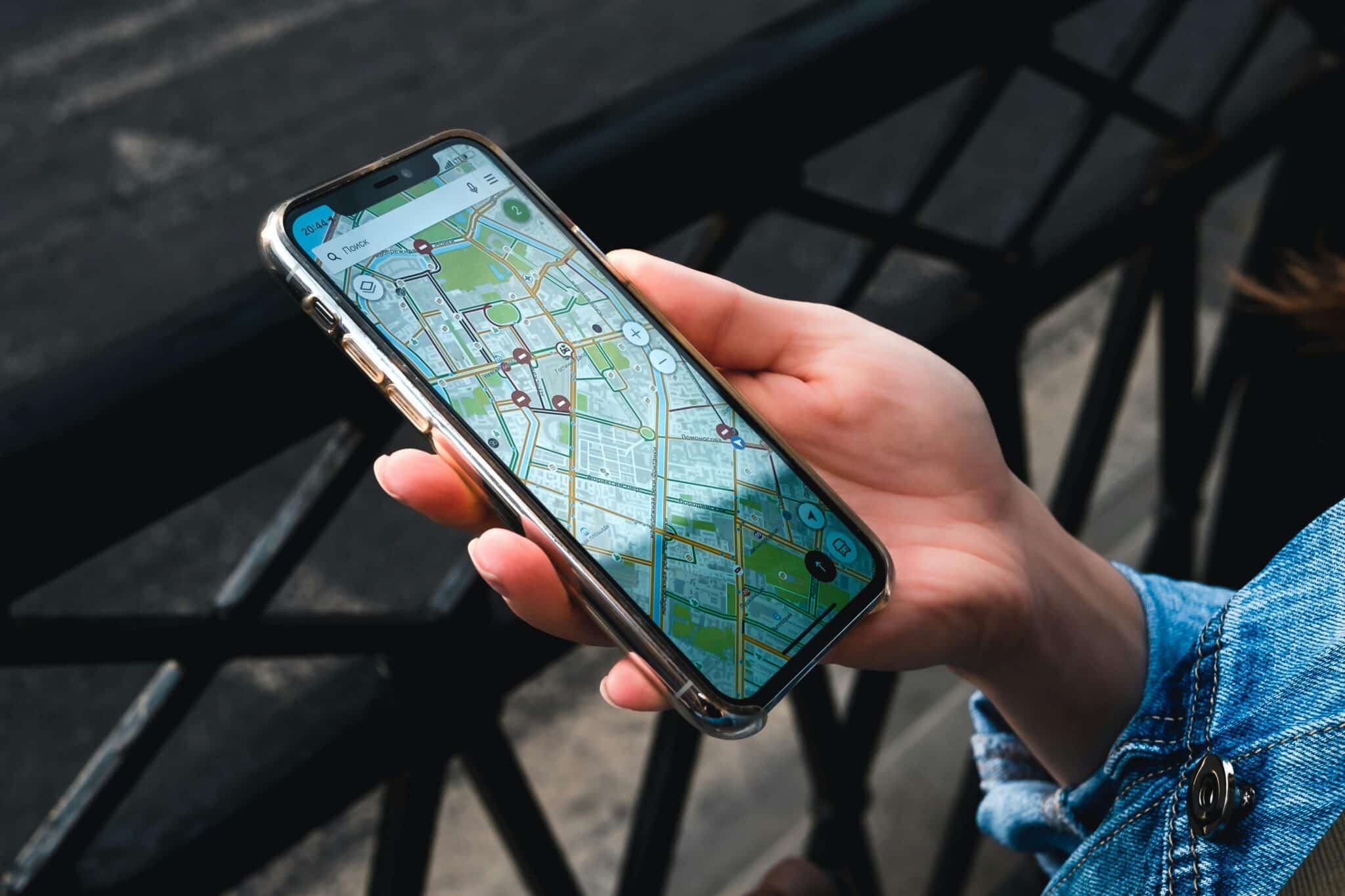
With numerous excellent navigation apps available, selecting the right one depends on your specific requirements and preferences. Consider what matters most to you—real-time traffic accuracy, offline capability, comprehensive point-of-interest information, privacy protection, or integration with other services you use regularly.
Many users find value in installing multiple navigation apps and using different ones for different purposes. You might prefer one app for daily commuting thanks to its excellent traffic reporting, while choosing another for road trips because of its superior offline maps and travel planning features.
Most navigation apps are free to download and use, making experimentation easy. Spend time with several options, exploring their features and interfaces. The best GPS app for you is the one that fits naturally into your routine, provides the information you value most, and makes your journeys genuinely easier and more enjoyable.
The transformation of navigation from paper maps to sophisticated digital systems represents one of technology’s most practical contributions to daily life. Whether you’re a daily commuter, frequent traveler, or occasional driver, today’s GPS applications offer powerful tools that make getting from point A to point B safer, faster, and far less stressful than ever before possible. ✨
