
Anúncios
Old photographs carry memories that deserve to be preserved. With modern technology, restoring faded family treasures has never been easier or more accessible.

Every family has a collection of old photographs tucked away in albums, shoeboxes, or attics. These images tell stories of generations past, capturing moments that shaped our family histories. However, time hasn’t been kind to many of these precious memories. Fading colors, torn edges, water damage, and scratches threaten to erase these irreplaceable moments forever.
Anúncios
Thanks to advances in artificial intelligence and mobile technology, photo restoration apps now offer powerful solutions that fit right in your pocket. These applications use sophisticated algorithms to breathe new life into damaged photographs, making professional-quality restoration accessible to everyone. Whether you’re preserving grandparents’ wedding photos or reviving childhood snapshots, these tools deliver remarkable results with just a few taps.
📸 Why Old Photo Restoration Matters More Than Ever
Physical photographs deteriorate over time regardless of how carefully we store them. Paper yellows, chemicals fade, and environmental factors gradually degrade image quality. Unlike digital files that can be perfectly replicated, each damaged photograph represents a unique, irreplaceable artifact of family history.
Anúncios
The emotional value of these images extends far beyond their physical form. They connect us to relatives we may never meet, document historical moments, and provide visual links to our heritage. Restoring these photographs preserves not just images, but the stories and memories they represent for future generations.
Digital restoration ensures these memories survive in pristine condition. Once restored and digitized, photos can be shared with family members worldwide, printed in multiple copies, and preserved in cloud storage where they’re protected from physical deterioration. This transformation from fragile paper to secure digital format safeguards family history indefinitely.
🤖 How AI-Powered Photo Restoration Applications Work
Modern photo restoration apps leverage artificial intelligence and machine learning to analyze and repair damaged images automatically. These systems have been trained on millions of photographs, learning to recognize common damage patterns and apply appropriate corrections.
The technology works by examining the photograph at the pixel level, identifying areas of damage, and intelligently filling in missing information. AI algorithms can distinguish between actual image content and damage artifacts like scratches, stains, or tears. They then reconstruct the damaged areas by analyzing surrounding pixels and applying learned patterns from similar photographs.
Color restoration presents a particularly impressive application of this technology. When working with faded or black-and-white photographs, AI can predict and apply realistic colorization based on contextual clues within the image. The system recognizes objects, skin tones, sky patterns, and vegetation, applying appropriate colors that bring historical photographs to vibrant life.
Key Features Found in Top Restoration Apps
Leading photo restoration applications offer a comprehensive suite of tools designed to address various types of damage:
- Automatic scratch and tear removal: AI identifies linear damage patterns and seamlessly repairs them
- Color correction and enhancement: Restores faded colors and balances exposure
- Noise reduction: Eliminates grain and digital artifacts while preserving detail
- Face enhancement: Specifically improves facial features that may have degraded
- Colorization: Adds realistic color to black-and-white photographs
- Resolution upscaling: Increases image size while maintaining or improving quality
- Blemish removal: Cleans stains, spots, and water damage
- Edge reconstruction: Repairs torn or damaged edges and corners
🎯 Choosing the Right Photo Restoration App for Your Needs
The market offers numerous photo restoration applications, each with unique strengths and features. Understanding your specific needs helps narrow down the best option for your restoration project.
Consider the type and extent of damage in your photographs. Some apps excel at color restoration, while others focus on structural repairs like tears and scratches. If you’re working primarily with black-and-white images, look for apps with strong colorization capabilities. For severely damaged photographs, choose applications offering manual editing tools alongside AI automation.
User interface design significantly impacts your restoration experience. Apps with intuitive controls and clear before-after comparisons make the process more enjoyable and help you achieve better results. Look for applications that offer adjustable intensity settings, allowing you to control how aggressively the AI applies corrections.


Free vs. Premium Features: What to Expect
Most photo restoration apps operate on a freemium model, offering basic features free with premium upgrades available. Free versions typically provide essential restoration tools with limitations on resolution, number of photos processed, or access to advanced features.
Premium subscriptions unlock high-resolution exports, batch processing capabilities, and advanced AI models that deliver superior results. For occasional users restoring a handful of photographs, free versions may suffice. However, families undertaking large-scale digitization projects benefit significantly from premium features that streamline workflow and improve output quality.
🛠️ Step-by-Step Guide to Restoring Your First Photograph
Getting started with photo restoration apps is straightforward, even for users with no technical experience. The process typically follows these simple steps that transform damaged photographs into restored treasures.
Begin by gathering your physical photographs and ensuring good lighting. Take a clear, high-resolution photograph of the damaged image using your smartphone camera. Hold the camera parallel to the photograph to avoid distortion, and ensure the entire image is in frame with minimal shadows.
Open your chosen restoration app and import the photograph. Most applications immediately begin analyzing the image, identifying damage patterns and preparing restoration suggestions. Review the automatic enhancements the app proposes, which often include color correction, scratch removal, and noise reduction.
Fine-tune the results using manual adjustment tools if available. Increase or decrease the intensity of various corrections until the photograph looks natural and matches your memory of the original. Pay special attention to skin tones, which can look artificial if over-processed.
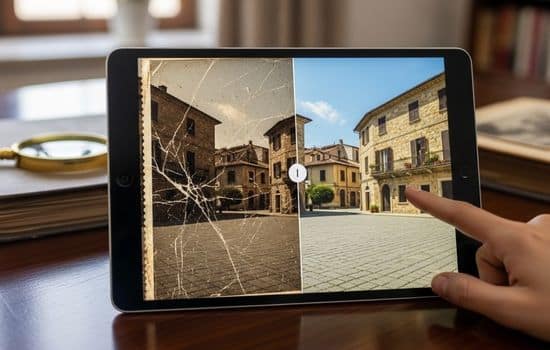
Compare the before and after versions side-by-side. Most apps offer slider tools that let you seamlessly transition between the original and restored versions, helping you appreciate the transformation and spot any areas needing additional attention.
Export the restored photograph in the highest resolution available. Save both the original scan and the restored version to multiple locations, including cloud storage services for redundancy. This ensures your newly restored memories remain safe and accessible.
✨ Advanced Techniques for Professional-Quality Results
While automatic restoration delivers impressive results, learning a few advanced techniques elevates your restorations from good to exceptional. These methods help you handle particularly challenging photographs that require more nuanced approaches.
Layered restoration involves processing the same photograph multiple times with different settings, then combining the best elements from each version. Some apps support this workflow natively, while others require exporting intermediate versions and using photo editing software to merge results manually.
Selective restoration focuses AI corrections on specific areas rather than the entire photograph. This approach works particularly well when different regions suffer from different types of damage. Face areas might need color enhancement while backgrounds require scratch removal, for example.
Handling Extremely Damaged Photographs
Severely damaged photographs with large missing sections, extensive tears, or profound fading present unique challenges. While AI performs remarkably well, these cases sometimes require additional manual intervention for optimal results.
Start with the best possible scan or photograph of the damaged original. Use macro photography modes or dedicated scanning equipment to capture maximum detail. Higher resolution source images provide AI algorithms more information to work with, improving restoration quality.
Process the image in stages, addressing one type of damage at a time. Begin with structural repairs like tears and missing sections, then move to color correction, and finally tackle fine details like noise and scratches. This methodical approach prevents compounding errors that can occur when applying all corrections simultaneously.
For photographs with missing sections too large for AI to reconstruct accurately, consider combining multiple restoration apps. Different applications use varying AI models, and one might handle specific damage types better than another. Experimenting with several tools often yields the best overall result.
💾 Organizing and Preserving Your Restored Photo Collection
Successfully restoring photographs is only the first step in preserving family memories. Proper organization and storage ensure these digital treasures remain accessible and protected for decades to come.
Create a logical folder structure that reflects your family tree or chronological organization. Label files with descriptive names that include dates, locations, and people identified in the photographs. This metadata proves invaluable when searching through large collections years later.
Implement a robust backup strategy using the 3-2-1 rule: maintain three copies of your photos on two different types of media, with one copy stored offsite. Cloud storage services provide convenient offsite backup, while external hard drives offer local redundancy.
Consider creating physical prints of restored photographs as well. Modern printing technology produces archival-quality prints that last generations when properly stored. These physical copies provide a tangible connection to family history while serving as an additional backup of your digital restoration work.
👨👩👧👦 Sharing Restored Memories with Family Members
Restored photographs gain new life when shared with family members who appreciate the memories they represent. Technology offers numerous ways to distribute these treasured images to relatives near and far.
Digital photo frames provide an elegant solution for elderly relatives less comfortable with technology. Load restored photographs onto these devices, which display a rotating selection of family memories without requiring any technical knowledge from the recipient.
Create shared albums using cloud services that allow family members to view, comment on, and download photographs remotely. These collaborative spaces often spark conversations about the stories behind the images, preserving oral history alongside visual records.
Consider compiling restored photographs into photobooks or calendars as gifts. Professional printing services transform digital files into beautiful physical products that family members treasure. These tangible items often become heirlooms themselves, passed down through generations.
🔮 The Future of Photo Restoration Technology
Photo restoration technology continues advancing rapidly, with emerging capabilities promising even more impressive results. Understanding these trends helps set realistic expectations for current tools while anticipating future developments.
AI models are becoming increasingly sophisticated in understanding context and applying historically accurate restoration. Future applications may access vast databases of period-specific information, ensuring colorization and detail reconstruction reflect accurate historical details like fashion, architecture, and environmental conditions.
Integration with genealogy platforms represents another exciting frontier. Imagine restoration apps that automatically organize photographs based on facial recognition, cross-referencing with family tree data to identify and label individuals automatically. This convergence of technologies could revolutionize how we preserve and explore family history.
Augmented reality features may soon allow users to view restored photographs in their original physical context. Point your phone at an old family home, and AR overlays could display historical photographs showing how the location appeared decades ago, creating powerful connections between past and present.
🌟 Transforming Family Memories into Lasting Legacies
Photo restoration applications democratize access to preservation techniques once available only through expensive professional services. This technological accessibility empowers everyone to become the curator of their family’s visual history.
The process of restoring old photographs often sparks deeper engagement with family history. As you work through damaged images, you naturally become curious about the stories behind them. Who are these people? Where was this taken? What was happening in their lives? This curiosity strengthens family bonds and ensures stories survive alongside images.
Every restored photograph represents a small victory against time’s erosive effects. These rescued memories connect generations, providing younger family members visual links to ancestors they never met. In an increasingly digital world, these tangible connections to the past ground us in understanding where we came from and who we are.
Taking action to restore family photographs is an investment in heritage. The hours spent scanning, processing, and organizing create an invaluable resource for current and future family members. These efforts ensure that the faces, places, and moments that shaped your family history remain vivid and accessible for generations to come.
Whether you’re beginning with a single cherished photograph or tackling an entire collection, restoration apps provide the tools needed to preserve your family’s visual legacy. The technology continues improving, but the mission remains timeless: protecting memories that matter, one photograph at a time.
