
Anúncios
# HTML Article: GPS App
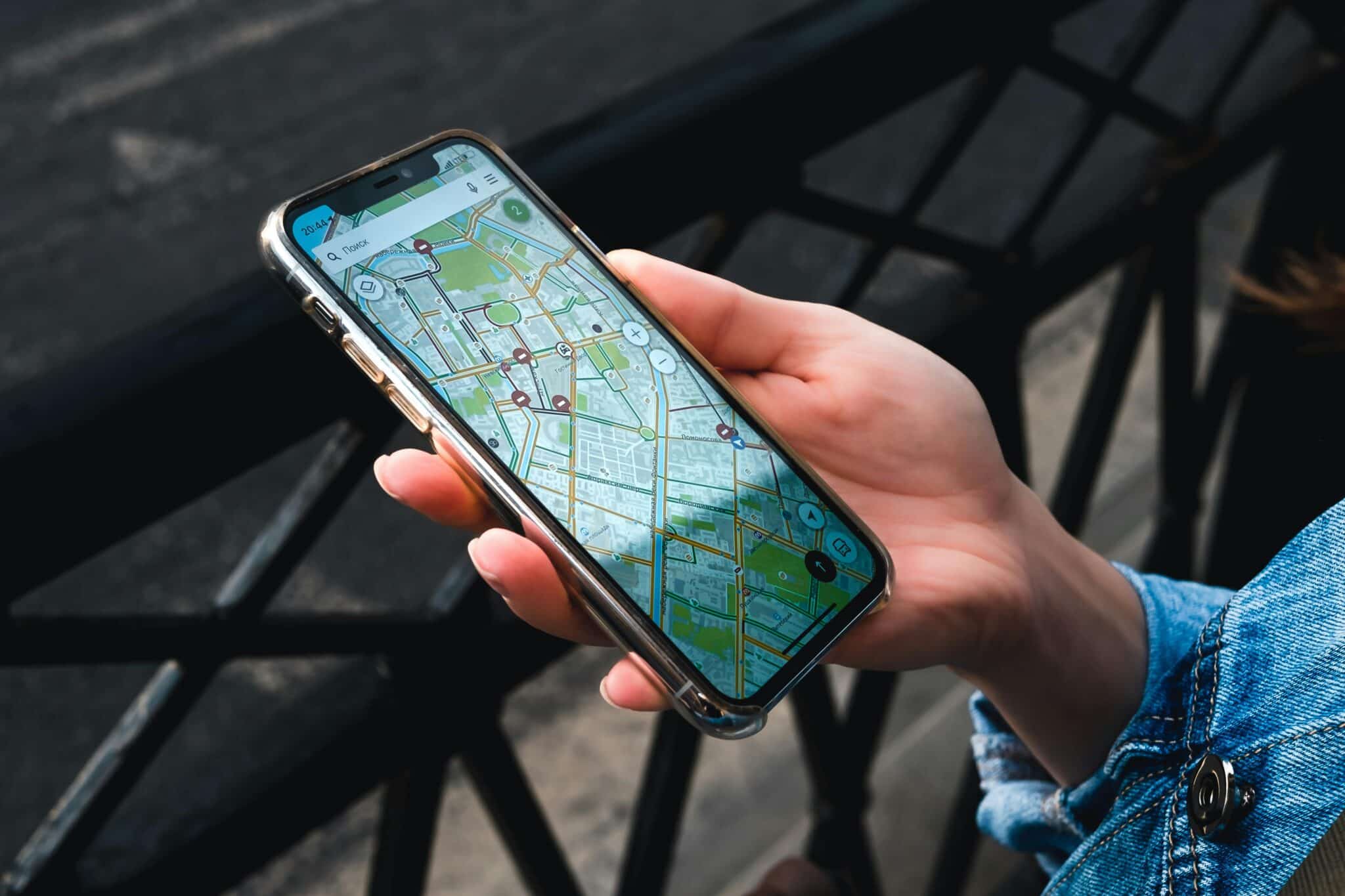
GPS apps have revolutionized how we navigate our world, transforming smartphones into powerful navigation tools that guide millions of users daily through unfamiliar streets and destinations.
Anúncios

Whether you’re commuting to work, exploring a new city, or embarking on a cross-country road trip, GPS applications have become indispensable companions in our daily lives. These sophisticated tools do far more than simply show directions—they provide real-time traffic updates, suggest alternative routes, and even help users discover new places worth visiting.
The evolution of GPS technology has been remarkable, transforming from bulky, expensive devices into free or affordable apps that fit in your pocket. Today’s GPS applications offer features that would have seemed like science fiction just a decade ago, from voice-activated navigation to augmented reality overlays that display directions directly on your camera view.
Anúncios
📱 Understanding Modern GPS Navigation Technology
GPS, or Global Positioning System, relies on a network of satellites orbiting Earth to pinpoint your exact location. When you open a GPS app on your smartphone, it communicates with multiple satellites simultaneously to triangulate your position with impressive accuracy, often within a few meters.
Modern GPS applications leverage this satellite data alongside cellular tower information and Wi-Fi networks to provide even more precise location tracking. This combination ensures that navigation works reliably even in urban environments where tall buildings might otherwise interfere with satellite signals.
The processing power of today’s smartphones allows GPS apps to calculate routes almost instantaneously, considering multiple factors such as distance, estimated travel time, traffic conditions, and road restrictions. This computational capability transforms raw positional data into actionable navigation guidance that adapts to changing conditions in real-time.
🚗 Essential Features That Define Quality GPS Apps
Not all GPS applications are created equal. The best navigation apps share certain characteristics that set them apart from basic mapping tools. Understanding these features helps users select the right application for their specific needs.
Real-Time Traffic Intelligence
Premium GPS apps monitor traffic conditions continuously, analyzing data from millions of users to identify congestion, accidents, and road hazards. This crowdsourced information enables the app to suggest faster alternative routes automatically, potentially saving significant time during your journey.
The most advanced systems can predict traffic patterns based on historical data, helping you plan departures at optimal times. Some applications even learn your regular routes and proactively notify you about unusual delays before you leave home or work.
Voice-Guided Turn-by-Turn Navigation
Clear audio directions allow drivers to keep their eyes on the road rather than constantly checking their screens. Quality GPS apps provide timely voice prompts that announce upcoming turns with sufficient advance notice, along with lane guidance for complex intersections and highway exits.
Many applications now support natural language processing, allowing users to interact conversationally with the navigation system. You can ask questions, request stops along your route, or search for nearby amenities using voice commands alone.
Offline Map Availability
Connectivity isn’t always guaranteed, especially when traveling through rural areas or foreign countries with limited data plans. Leading GPS applications allow users to download maps for offline use, ensuring navigation continues functioning even without an internet connection.
These offline capabilities typically include basic routing and search functionality, though real-time traffic updates naturally require an active connection. The ability to navigate offline provides peace of mind and can be essential for international travelers managing data costs.


🌍 Popular GPS Applications and Their Unique Strengths
The GPS app marketplace offers diverse options, each with distinct advantages tailored to different user preferences and navigation styles. Familiarizing yourself with the leading contenders helps identify which solution best matches your requirements.
Waze: Community-Powered Navigation
Waze distinguishes itself through its vibrant community of users who actively report road conditions, police presence, hazards, and traffic incidents. This crowdsourced approach creates an exceptionally current picture of road conditions, often alerting drivers to problems before official traffic services detect them.
The app’s social features extend beyond hazard reporting, allowing users to see friends on the map, coordinate meetups, and share estimated arrival times. Waze also partners with municipalities and emergency services in some regions, creating a two-way information exchange that benefits both drivers and traffic management authorities.
Google Maps: Comprehensive Multimodal Navigation
Google Maps excels at providing navigation across multiple transportation modes, including driving, walking, cycling, and public transit. Its extensive database of businesses, landmarks, and points of interest makes it equally valuable for exploration and navigation.
Integration with Google’s broader ecosystem enables features like automatic restaurant reservations, parking difficulty predictions, and seamless coordination with Google Calendar events. The app’s Street View imagery helps users preview destinations and identify landmarks, reducing anxiety when navigating unfamiliar areas.
Apple Maps: Seamless iOS Integration
For iPhone users, Apple Maps offers deep integration with iOS features and privacy protections that appeal to security-conscious individuals. The application has evolved significantly since its problematic launch, now offering competitive navigation quality with beautifully designed interfaces.
Apple Maps emphasizes privacy by processing much of the location data directly on your device rather than sending it to company servers. Features like Flyover provide stunning 3D views of major cities, while Look Around offers street-level imagery similar to Google’s Street View.
🛣️ Maximizing Your GPS App Experience
Simply installing a GPS application doesn’t guarantee optimal results. Understanding how to configure and use these tools effectively significantly enhances navigation accuracy, battery efficiency, and overall user satisfaction.
Optimizing Settings for Performance
Most GPS apps offer customization options that balance features against battery consumption. Reducing map detail levels, limiting background refresh frequency, and disabling unnecessary visual effects can extend device battery life during long trips without compromising navigation functionality.
Route preferences also deserve attention—some users prioritize shortest distance, while others prefer routes that minimize highway driving or toll roads. Configuring these preferences according to your priorities ensures the app suggests routes aligned with your travel philosophy.
Updating Maps Regularly
Road networks constantly evolve with new construction, closures, and changing traffic patterns. Keeping your GPS app updated ensures access to the latest map data, improving routing accuracy and reducing the likelihood of being directed down closed or non-existent roads.
Many applications update maps automatically when connected to Wi-Fi, but it’s worth periodically checking for updates manually, especially before important trips or when traveling to regions you haven’t visited recently.
Calibrating Location Accuracy
If your GPS app seems to misidentify your location or shows erratic positioning, calibrating your device’s compass and location services often resolves these issues. This process typically involves moving your phone in a figure-eight pattern and ensuring location permissions are properly configured.
Environmental factors like being inside buildings or under heavy tree cover can also affect GPS accuracy. Understanding these limitations helps set realistic expectations and prompts users to allow extra time when navigating in challenging conditions.
🔋 Managing Battery Life During Extended Navigation
GPS navigation is notoriously power-hungry, as it requires simultaneous operation of location services, screen display, and data connectivity. Implementing battery-saving strategies ensures your device survives long journeys without leaving you stranded without navigation or communication capabilities.
Investing in a quality car charger is perhaps the simplest solution for drivers, maintaining device charge throughout trips. For pedestrians and cyclists, portable battery packs provide essential backup power, particularly during day-long explorations or multi-day hiking adventures.
Reducing screen brightness, enabling battery saver modes, and closing unnecessary background applications all contribute to extended operational time. Some GPS apps offer specialized battery-saving modes that simplify map displays and reduce update frequencies while maintaining core navigation functionality.
🌐 International Travel Considerations
GPS applications prove especially valuable when traveling abroad, helping navigate unfamiliar cities and language barriers. However, international use requires additional planning to avoid unexpected data charges and ensure continuous functionality.
Downloading offline maps before departure eliminates reliance on expensive international data plans while preserving navigation capabilities. Research which GPS apps offer the best offline coverage for your destination countries, as availability and map quality vary significantly by region.
Some applications provide specialized international features like pronunciation guides for street names, translation of business information, and integration with local transit systems. These capabilities transform your GPS app from a simple navigation tool into a comprehensive travel companion.
🔐 Privacy and Data Security Considerations
GPS applications necessarily collect location data to function, raising legitimate privacy concerns for many users. Understanding how different apps handle your information empowers informed decisions about which navigation tools align with your privacy preferences.
Review each app’s privacy policy to understand what data gets collected, how long it’s retained, and whether it’s shared with third parties. Some applications anonymize location data, while others maintain detailed movement histories that could theoretically be accessed by law enforcement or through data breaches.
Many GPS apps offer incognito or privacy modes that limit data collection and prevent location history from being saved. While these modes may disable certain features like personalized recommendations, they provide greater anonymity for privacy-conscious users.
🚴 Specialized GPS Apps for Specific Activities
Beyond general-purpose navigation, specialized GPS applications cater to specific activities like hiking, cycling, boating, and aviation. These niche tools offer features tailored to their respective domains, often providing superior functionality compared to general navigation apps.
Hiking apps include topographic maps, elevation profiles, trail conditions, and waypoint marking capabilities essential for backcountry navigation. Marine GPS applications display nautical charts, tide information, and depth contours crucial for safe boating. Aviation apps provide sectional charts, weather data, and flight planning tools that general navigation apps cannot match.
Cyclists benefit from apps that prioritize bike lanes, calculate elevation gain, and track fitness metrics alongside navigation. These specialized features demonstrate how GPS technology adapts to serve diverse user communities with unique requirements.
🔮 The Future of GPS Navigation Technology
GPS technology continues evolving rapidly, with emerging innovations promising even more sophisticated navigation experiences. Augmented reality navigation overlays directions directly onto live camera views, creating intuitive visual guidance that reduces confusion at complex intersections.
Artificial intelligence integration enables predictive routing that anticipates your likely destinations based on time, day, and historical patterns. Some experimental systems can even suggest optimal departure times to minimize overall travel duration, accounting for predicted traffic evolution.
Vehicle integration grows increasingly sophisticated, with GPS apps connecting directly to car systems to control displays, audio, and even some driving functions in advanced autonomous vehicles. This deeper integration creates seamless experiences where navigation becomes an invisible but essential component of the driving experience.
💡 Practical Tips for Everyday GPS App Users
Small habits and awareness can dramatically improve your GPS navigation experience. Always confirm your destination before starting navigation—autocomplete suggestions sometimes select incorrect locations with similar names, potentially sending you miles off course.
Maintain awareness of your surroundings rather than blindly following GPS directions. Technology occasionally makes mistakes, suggesting illegal turns, directing drivers onto pedestrian paths, or failing to account for temporary road closures. Your judgment and local observation should always take precedence over app instructions.
Explore alternative route suggestions even when not pressed for time. GPS apps often present multiple routing options with different characteristics—some scenic, others faster, some avoiding highways. Experimenting with alternatives helps you discover new routes and understand your local road network more completely.
🎯 Choosing the Right GPS App for Your Needs
With numerous quality GPS applications available, selection ultimately depends on your specific priorities, device ecosystem, and navigation patterns. Frequent drivers in congested urban areas benefit most from community-powered apps with superior real-time traffic intelligence.
International travelers should prioritize apps with excellent offline capabilities and comprehensive global coverage. Privacy-conscious users might accept slightly reduced functionality in exchange for applications with stronger data protection policies and anonymization practices.
Many users find value in maintaining multiple GPS apps, using different applications for different purposes—perhaps a community-powered app for daily commuting, a comprehensive mapping app for exploration, and a specialized tool for recreational activities. Modern smartphones have sufficient storage for several navigation apps, eliminating the need to choose just one.
GPS applications have fundamentally transformed how we interact with physical space, providing confidence to explore unfamiliar areas and efficiency in navigating familiar ones. As technology continues advancing, these tools will become even more integrated into our daily lives, offering increasingly personalized and intelligent guidance. Whether you’re a daily commuter, weekend adventurer, or international traveler, investing time to understand and optimize your GPS app pays dividends in reduced stress, saved time, and enhanced exploration capabilities. The right navigation tool doesn’t just show you where to go—it empowers you to confidently venture anywhere your curiosity leads. 🗺️
