
Anúncios
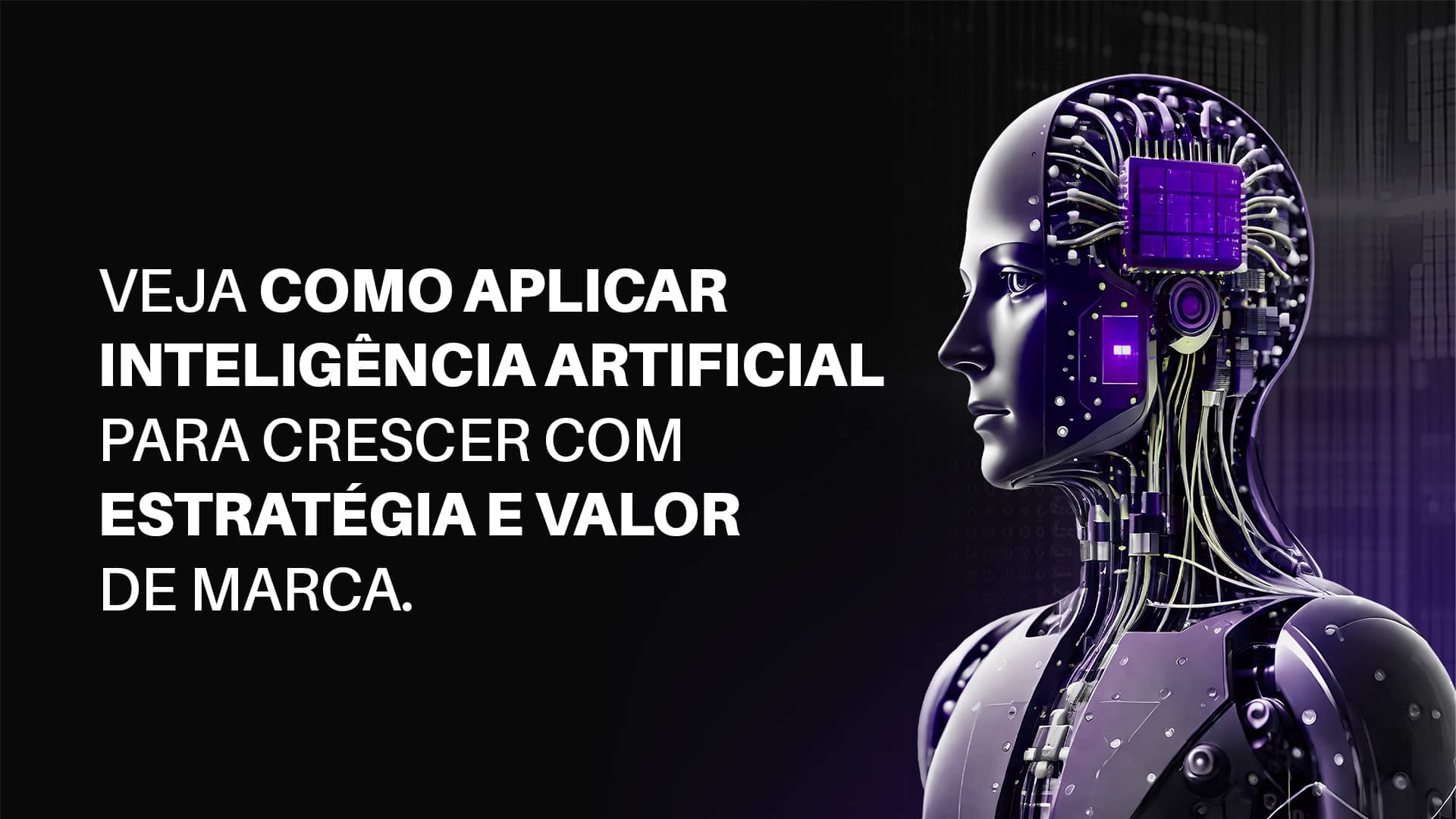
Artificial intelligence is no longer a futuristic concept—it’s the driving force reshaping how brands connect, communicate, and convert in today’s hyper-competitive marketplace.
The landscape of brand strategy has undergone a seismic shift in recent years, with AI technologies emerging as the cornerstone of modern marketing excellence. From predictive analytics that anticipate consumer behavior to generative AI that creates compelling content at scale, businesses are discovering unprecedented opportunities to amplify their brand impact and forge deeper connections with their audiences.
Anúncios
Traditional brand strategy relied heavily on intuition, historical data, and generalized market research. While these elements remain valuable, they’re no longer sufficient in an era where consumer preferences shift rapidly and competition intensifies across every channel. AI brings a transformative edge by processing vast amounts of data in real-time, uncovering patterns invisible to human analysis, and enabling brands to make decisions with surgical precision.
🎯 The AI-Powered Brand Intelligence Revolution
Modern brand strategy begins with intelligence gathering, and this is where AI demonstrates its most profound capabilities. Machine learning algorithms can now analyze millions of customer interactions, social media conversations, and market trends simultaneously, providing brands with actionable insights that were previously impossible to obtain.
Anúncios
Sentiment analysis tools powered by natural language processing can decode the emotional undertones of customer feedback across platforms, helping brands understand not just what customers are saying, but how they feel about products, services, and brand experiences. This emotional intelligence becomes invaluable when crafting messaging that resonates on a deeper psychological level.
Predictive analytics takes this further by forecasting future trends based on historical patterns and current market dynamics. Brands can now anticipate shifts in consumer behavior before they fully manifest, positioning themselves strategically ahead of competitors who rely on reactive approaches.
Data-Driven Persona Development
AI has revolutionized how brands develop and refine their customer personas. Rather than creating static demographic profiles, advanced AI systems continuously update persona models based on real-time behavioral data. These dynamic personas reflect the evolving nature of your audience, capturing nuances that traditional market segmentation misses.
Machine learning algorithms identify micro-segments within your audience—groups with specific preferences, pain points, and purchasing behaviors that warrant tailored brand strategies. This granular understanding enables hyper-personalization at scale, a paradox that only AI can solve effectively.
✨ Creative Excellence Through Generative AI
Perhaps no area of brand strategy has been more dramatically impacted than creative development. Generative AI tools have democratized high-quality content creation, enabling brands of all sizes to produce compelling visual and written materials that capture attention and drive engagement.
AI-powered design platforms can generate multiple brand identity variations, logo concepts, and visual assets in minutes, allowing creative teams to explore far more possibilities than traditional workflows permit. This doesn’t replace human creativity—it amplifies it, freeing creative professionals from repetitive tasks to focus on strategic thinking and innovative concepts.
Content generation has similarly been transformed. Natural language generation tools can produce first drafts, product descriptions, social media captions, and even long-form articles that maintain brand voice consistency across channels. The key is using these tools as collaborative partners rather than complete replacements for human creativity and strategic oversight.
Brand Voice Consistency at Scale
Maintaining consistent brand voice across hundreds or thousands of content pieces presents a significant challenge for growing brands. AI solves this through sophisticated natural language models trained on your brand’s existing content. These systems learn the subtle linguistic patterns, tone preferences, and stylistic choices that define your brand’s unique voice.
When properly trained, AI writing assistants ensure that whether a customer encounters your brand on social media, email, or your website, they experience the same recognizable voice that builds trust and recognition over time.
🚀 Personalization That Converts
Generic brand experiences no longer suffice in markets where consumers expect personalization as standard. AI enables sophisticated personalization strategies that adapt in real-time to individual user behaviors, preferences, and contexts.
Dynamic content optimization uses AI to test and display the most effective messaging, imagery, and calls-to-action for each visitor. Rather than running month-long A/B tests, AI systems continuously optimize experiences across multiple variables simultaneously, accelerating the path to conversion-optimized brand touchpoints.
Recommendation engines, powered by collaborative filtering and deep learning, suggest products, content, or services that align with individual preferences with remarkable accuracy. This creates a branded experience that feels curated specifically for each customer, dramatically increasing engagement and conversion rates.
Omnichannel Experience Orchestration
Today’s consumers interact with brands across multiple touchpoints—social media, websites, mobile apps, physical stores, and customer service channels. AI-powered customer data platforms unify these interactions into coherent customer journeys, ensuring brand consistency regardless of channel.
Intelligent routing systems ensure that customers receive appropriate messaging at optimal times across their preferred channels. If someone abandons a cart on your website, AI determines whether an email, SMS, or push notification will most effectively bring them back, and what messaging angle will prove most persuasive based on their historical behavior.
📊 Measuring Brand Impact With AI Analytics
Traditional brand metrics like awareness and recall remain important, but AI enables far more sophisticated measurement of brand performance. Advanced attribution modeling tracks how different touchpoints contribute to conversions, helping brands understand which strategies deliver genuine ROI rather than vanity metrics.
Brand health monitoring systems use AI to continuously assess how your brand performs across multiple dimensions:
- Sentiment trends across social platforms and review sites
- Share of voice compared to competitors in your category
- Brand association strength with key attributes and values
- Purchase intent indicators derived from search and engagement patterns
- Customer lifetime value predictions segmented by acquisition channel
These insights enable proactive brand management, allowing strategic pivots before minor issues escalate into reputation crises. Real-time dashboards powered by AI provide executives with actionable intelligence rather than retrospective reports that arrive too late for timely intervention.
Competitive Intelligence Automation
AI-powered competitive monitoring tools track competitor brand strategies, messaging changes, pricing adjustments, and market positioning shifts automatically. Natural language processing algorithms analyze competitor content, identifying strategic themes and messaging angles that resonate with audiences.
This competitive intelligence informs your brand differentiation strategy, highlighting gaps in the market where your brand can establish unique positioning. Rather than reactive imitation, AI enables proactive strategic positioning based on comprehensive market understanding.
🔮 Predictive Brand Strategy and Future-Proofing
The most sophisticated application of AI in brand strategy involves predictive modeling that anticipates future market conditions and consumer preferences. These systems analyze macroeconomic indicators, cultural trends, technological developments, and behavioral patterns to forecast how your brand should evolve.
Scenario planning powered by AI simulates how different strategic choices might perform under various future conditions. Brands can test positioning pivots, messaging strategies, or expansion plans in virtual environments before committing significant resources, dramatically reducing strategic risk.
Trend forecasting algorithms identify emerging consumer interests and cultural movements in their early stages, allowing brands to position themselves at the forefront of relevant trends rather than scrambling to catch up after competitors have already established presence.
Crisis Prevention and Response
AI monitoring systems detect potential brand crises before they fully develop. Unusual spikes in negative sentiment, emerging complaint patterns, or concerning social media conversations trigger alerts that enable rapid response before issues damage brand equity.
When crises do occur, AI-powered response systems help brands craft appropriate messaging, identify the most affected audience segments, and determine optimal communication channels for damage control. Response effectiveness is monitored in real-time, allowing strategy adjustments as situations evolve.
💡 Implementing AI in Your Brand Strategy: Practical Approaches
Successfully integrating AI into brand strategy requires thoughtful implementation rather than wholesale technology adoption. Begin by identifying specific pain points or opportunities where AI can deliver measurable impact. Common starting points include customer service automation, content personalization, or social media listening.
Build internal AI literacy across your brand team. While deep technical expertise isn’t necessary for strategic roles, understanding AI capabilities, limitations, and appropriate applications ensures more effective collaboration between brand strategists and technical teams.
Prioritize data quality and infrastructure. AI systems are only as effective as the data they process. Invest in customer data platforms that unify information from disparate sources, establish data governance policies, and ensure compliance with privacy regulations like GDPR and CCPA.
Choosing the Right AI Tools for Brand Strategy
The AI tool landscape evolves rapidly, with new platforms emerging constantly. Evaluate tools based on these criteria:
| Criterion | Considerations |
|---|---|
| Integration Capabilities | Does the tool connect with your existing marketing technology stack? |
| Scalability | Can the platform grow with your brand’s expanding needs? |
| Customization | Does it allow training on your brand-specific data and requirements? |
| Transparency | Can you understand how the AI reaches its recommendations? |
| Support & Training | What resources help your team maximize the tool’s potential? |
Start with pilot projects that demonstrate clear value before scaling AI initiatives across your entire brand operation. Quick wins build organizational confidence and secure buy-in for more ambitious AI-powered brand transformations.
🌟 The Human-AI Collaboration Advantage
The most effective brand strategies emerge from synergistic collaboration between human creativity and AI capabilities. While AI excels at data processing, pattern recognition, and optimization, humans provide the strategic vision, emotional intelligence, and cultural understanding that give brands authentic resonance.
Frame AI as an augmentation tool that enhances human decision-making rather than a replacement for brand strategists. The most successful organizations establish clear roles: AI handles data-intensive analysis and repetitive tasks, freeing human strategists to focus on creative vision, ethical considerations, and relationship building.
Ethical AI usage should be a cornerstone of your brand strategy. Transparency about AI use, respect for consumer privacy, and commitment to bias-free algorithms protect brand reputation while building customer trust. Brands that prioritize ethical AI distinguish themselves in markets where consumers increasingly scrutinize corporate values.

🎬 Transforming Brand Strategy Into Competitive Advantage
AI represents far more than incremental improvement—it fundamentally transforms what’s possible in brand strategy. Brands that embrace AI thoughtfully gain advantages that compound over time: deeper customer understanding, more efficient operations, faster innovation cycles, and more resonant brand experiences.
The competitive gap between AI-powered brands and those relying solely on traditional methods widens rapidly. Early adopters establish data advantages that become increasingly difficult for competitors to overcome, as their AI systems continuously learn from larger datasets and more varied interactions.
However, technology alone doesn’t guarantee success. The brands that thrive combine AI capabilities with strategic clarity, authentic values, and genuine commitment to customer value. AI amplifies strategy—it doesn’t create strategy in isolation.
As AI technologies continue evolving at breakneck pace, brand strategists must cultivate adaptive mindsets. The specific tools and platforms you use today will likely be superseded by more powerful alternatives within years. The enduring competitive advantage comes from organizational learning agility—the capacity to continuously integrate emerging AI capabilities into evolving brand strategies.
The question is no longer whether to incorporate AI into brand strategy, but how quickly and effectively you can harness its transformative potential. Brands that answer this question decisively position themselves not just to survive but to define the next era of marketing excellence, creating experiences that delight customers, drive sustainable growth, and establish lasting competitive moats in increasingly crowded markets.
The AI revolution in brand strategy has arrived. The brands that will dominate tomorrow’s markets are those taking decisive action today—experimenting, learning, and building AI-powered capabilities that turn data into insight, insight into strategy, and strategy into maximum brand impact.
